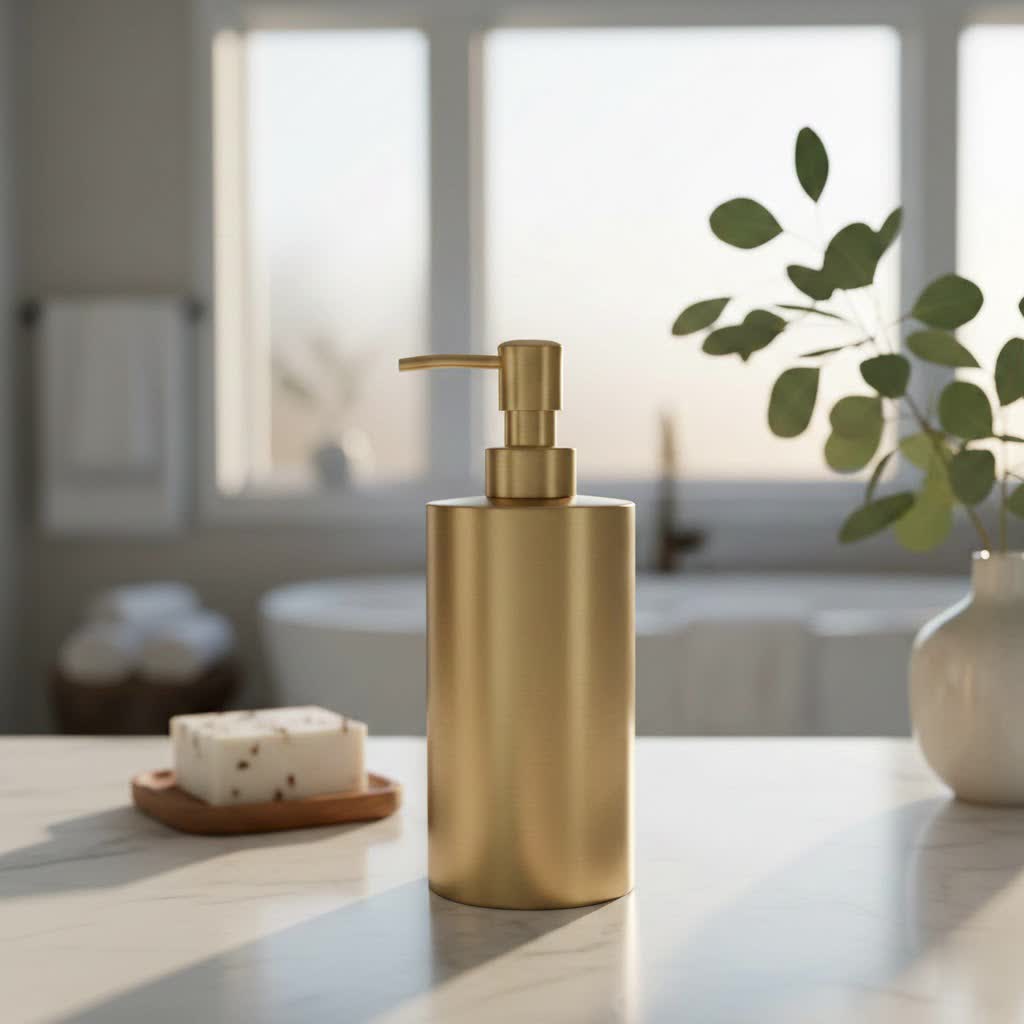
In an increasingly health-conscious world, maintaining optimal hand hygiene is paramount. Gone are the days of fumbling with messy pump bottles or touching germ-laden surfaces. The automatic soap dispenser has emerged as a revolutionary solution, seamlessly blending cutting-edge technology with everyday convenience to elevate cleanliness in every space. Are you ready to discover how this innovative device can transform your handwashing routine?
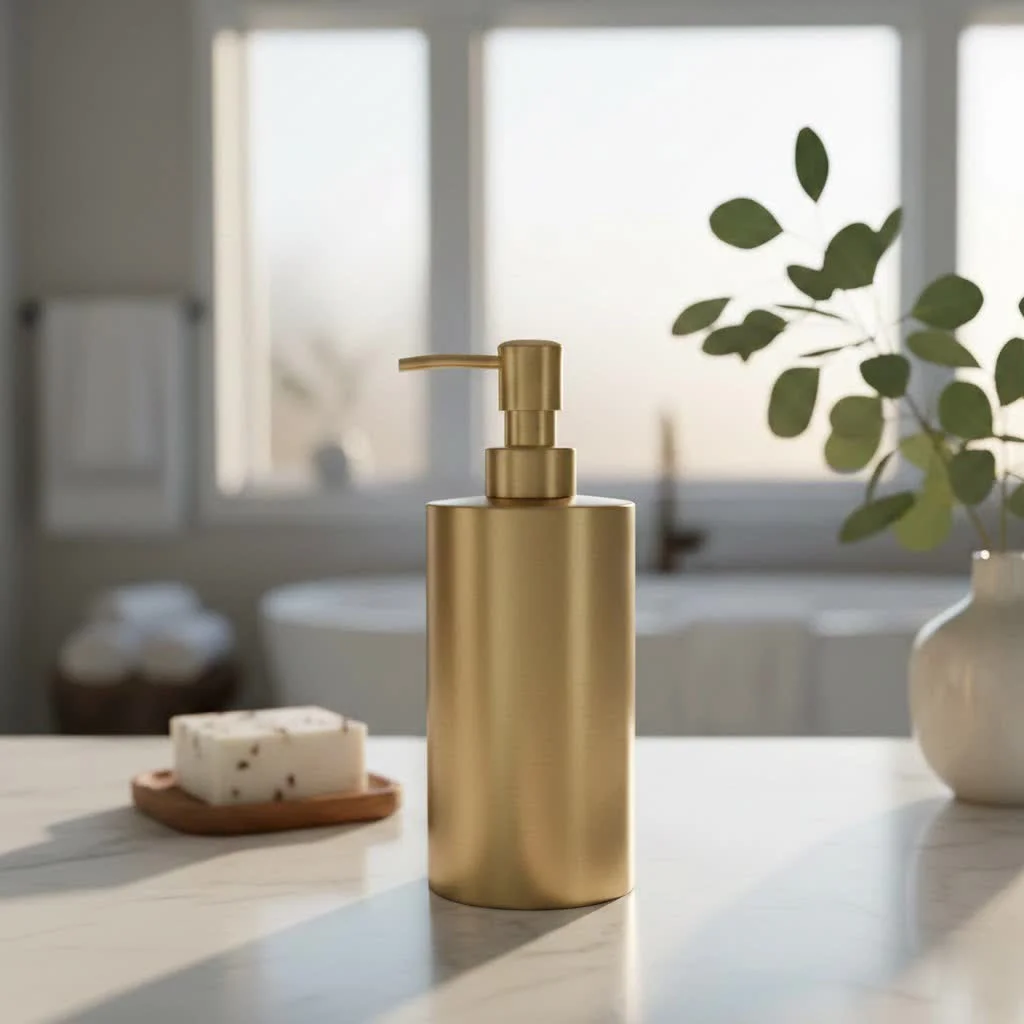
The Automatic Soap Dispenser: A Touchless Evolution in Hygiene
The automatic soap dispenser represents a significant leap forward in personal and public hygiene, playing a vital role in our daily lives by offering a cleaner, more efficient way to wash hands. Its origins trace back to simpler manual pump mechanisms, but the advent of sensor technology ushered in a new era of hands-free operation. This evolution was particularly accelerated by global health concerns, highlighting the critical need to minimize contact points and reduce germ transmission. For best home roundups on this site.
Modern automatic soap dispensers utilize advanced infrared sensing technology to detect the presence of a hand, delivering a precise amount of soap without any physical contact. This touchless interaction is at the core of their appeal, making them indispensable fixtures in homes, offices, restaurants, and hospitals. While traditional soap dispensers include manual pump, wall-mounted, and countertop varieties, the automatic category itself encompasses primarily liquid and foam dispensers, each designed for optimal delivery and user experience.
Understanding How Automatic Soap Dispensers Work
At its heart, an automatic soap dispenser is a marvel of simple yet effective engineering. These devices rely on sophisticated sensor technology to deliver soap effortlessly and hygienically. The primary component is an infrared sensor, which detects the presence of a hand placed beneath the nozzle.
When the sensor registers motion within its detection range, it activates a small, battery-operated electric motor. This motor, in turn, drives an internal pump mechanism, which can be either a piston or a diaphragm. The pump creates a vacuum that draws liquid or foam soap from the internal reservoir up through a tube. The soap is then pushed out through the nozzle, landing directly into the user’s hand. Many models offer adjustable dispensing volumes, allowing users to control the amount of soap released with each activation. This entire process is quick, efficient, and completely touchless, ensuring maximum hygiene.
Key Benefits of Embracing Automatic Soap Dispensers
Automatic soap dispensers offer a myriad of advantages that go beyond mere convenience, impacting hygiene, efficiency, and aesthetics in both residential and commercial settings.
Enhanced Hygiene and Germ Prevention
|
Our Picks for the Best Soap Dispenser in 2026
As an Amazon Associate I earn from qualifying purchases.
|
||
| Num | Product | Action |
|---|---|---|
| 1 | Aunmaon Automatic Soap Dispenser Touchless, Hands-Free, Multi Adjustable Volume, Long Battery Life, Compatible with Thick & Thin Dish/Hand Soap for Bathroom and Kitchen, Easy for Toddlers, Black |

|
| 2 | AIKE 15fl.oz Liquid Soap Dispenser for Dish and Hand Soap Matte Black |
|
| 3 | OXO Good Grips Stainless Steel Soap Dispenser, Kitchen and Bathroom Accessories |
|
| 4 | JASAI 2PACK 18 Oz Glass Soap Dispenser with Rust Proof Stainless Steel Pump, Refillable Hand Soap Dispenser with Vertical Stripe, Premium Bathroom soap Dispenser for Kitchen & Bathroom |
|
| 5 | Small Soap Dispenser for Bathroom and Kitchen, Modern Farmhouse Striped Style Plastic Hand Soap Dish Soap Dispenser with Pump Matte Black |
|
| 6 | OXO Good Grips Soap Dispenser - 10 oz |
|
| 7 | Automatic Soap Dispenser, Touchless Dish Soap Dispenser 17oz/500ml with Infrared Sensor, 5 Adjustable Soap Levels, Liquid Dispenser for Bathroom Kitchen (Silver) |
|
| 8 | simplehuman 8 oz. Touch-Free Sensor Liquid Soap Pump Dispenser with Soap Sample, Brushed Nickel |
|
| 9 | Clear Soap Dispenser with Rust Proof Pump, Waterproof Labels (2 Pack,16 Oz), Plastic Hand Soap Dish Soap Dispenser for Kitchen Bathroom |
|
| 10 | JASAI 18Oz Green Glass Soap Dispenser with Gold Rust Proof Pump, Refillable Kitchen soap Dispenser for Dish Soap, Soap Dispenser Bathroom for Hand soap, Lotion, Body Wash. |
|
Perhaps the most compelling benefit of an automatic soap dispenser is its superior hygiene. By eliminating the need for physical contact with the dispenser, these devices dramatically reduce the risk of cross-contamination and the spread of germs, bacteria, and viruses. High-touch surfaces, like manual pump tops, can become breeding grounds for microbes. A touchless system ensures that your hands, once clean, remain clean, making it an ideal choice for households, public restrooms, and any environment where health is a priority.
Optimal Soap Conservation and Reduced Waste
One common issue with manual dispensers is overuse, leading to unnecessary soap waste. Automatic soap dispensers are designed to dispense a consistent, pre-measured amount of soap with each activation. Many models even allow you to adjust the volume of soap dispensed, giving you precise control and ensuring that only the necessary quantity is used. This controlled dispensing not only makes your soap last longer, saving you money, but also contributes to environmental sustainability by reducing overall consumption.
Unmatched Convenience and User Experience
The ease of use offered by an automatic soap dispenser is undeniable. With a simple wave of the hand, soap is delivered instantly, making handwashing a seamless and enjoyable experience. This feature is particularly beneficial for children, the elderly, or individuals with limited mobility, providing effortless access to soap. There’s no pushing, pumping, or struggling with slippery bottles – just smooth, automatic delivery every time.
Aesthetic Appeal and Modern Design
Beyond their functional benefits, automatic soap dispensers often boast sleek, modern designs that enhance the aesthetic appeal of any bathroom or kitchen. Available in various finishes and styles, from minimalist plastic to elegant stainless steel, they can complement virtually any interior decor. They help keep countertops clutter-free and more organized, contributing to a clean and sophisticated environment.
Choosing the Right Automatic Soap Dispenser for Your Space
Selecting the perfect automatic soap dispenser involves considering several factors to ensure it meets your specific needs and seamlessly integrates into your environment.
Assessing Your Needs: Usage, Location, Traffic
Before making a purchase, consider where the dispenser will be used and by whom. For a busy family kitchen or a high-traffic public restroom, a larger capacity model with robust construction might be necessary. For a guest bathroom, a more compact and aesthetically pleasing design might be prioritized. Think about the frequency of use, the number of users, and whether it will be for liquid hand soap, dish soap, or even hand sanitizer.
Material Matters: Durability and Style
Automatic soap dispensers come in a variety of materials, each offering different benefits.
- Plastic: Often the most affordable option, lightweight, and available in many colors and designs. However, it may be less durable over time.
- Stainless Steel/Chrome: Offers a modern, sophisticated look, highly durable, rust-resistant, and easy to clean, making it a popular choice for both homes and commercial spaces.
- Ceramic/Glass: Provides a premium, decorative touch, often heavier and more stable, but can be fragile.
Choose a material that aligns with your decor and can withstand the intended usage.
Dispensing Mechanism and Volume Control
Some dispensers are designed for liquid soap, while others specifically for foaming soap. If you prefer foam, ensure the dispenser is built to create it, as it uses less soap per wash. Look for models that offer adjustable soap volume settings, allowing you to customize the amount dispensed. This feature is crucial for preventing waste and catering to individual preferences.
Power Source and Maintenance Considerations
Most automatic dispensers are battery-operated, typically using AA or AAA batteries, while others feature rechargeable lithium-ion batteries. Rechargeable models can be more convenient in the long run, reducing the need for frequent battery replacements. Consider battery life and ease of charging. For maintenance, look for dispensers with wide refill openings to prevent spills and clear reservoirs to easily monitor soap levels. Cleaning the sensor area regularly is also essential for optimal performance.
Top Automatic Soap Dispenser Models to Consider
The market for automatic soap dispensers is rich with innovative options. Here are five highly-regarded models that combine performance, design, and user satisfaction:
- Simplehuman Touch-Free Sensor Soap Pump: Often lauded as an industry leader, this dispenser is known for its sleek design, responsive sensor, and precise, non-drip dispensing. It features a rechargeable battery that can last for months on a single charge and often offers variable dispensing volume based on hand proximity. It’s a premium choice for those prioritizing advanced functionality and aesthetics.
- Secura 17oz Touchless Soap Dispenser: This model is a popular choice for its large 17-ounce capacity, making it suitable for busy households or commercial settings. It includes an adjustable volume control dial and offers flexibility for countertop placement or wall-mounting. Its clear container allows for easy monitoring of soap levels.
- Umbra Otto Automatic Soap Dispenser: For those who prioritize style, the Umbra Otto stands out with its modern, minimalist design and various finishes. While it may not offer advanced volume controls, its aesthetic appeal, fluid-level indicator window, and reasonable price point make it a strong contender for design-conscious consumers.
- Hanamichi Automatic Soap Dispenser: Praised for its versatility, the Hanamichi can accommodate various types of liquid soaps, including thicker solutions, and often recommends using soap with a low concentration of alcohol. Its infrared sensor is designed to require closer proximity, helping to avoid accidental dispensing, and it features intuitive soap volume control.
- XiaoRong Automatic Soap Dispenser: A great budget-friendly option, the XiaoRong provides reliable performance without a hefty price tag. It typically features a durable construction, a high-tech infrared sensor for accurate dispensing, and tri-level adjustable volume controls, making it a practical choice for families.
“Investing in a quality automatic soap dispenser is more than a luxury; it’s a commitment to a healthier, more organized living space.” – Admin, reviewesbazar.com
Maintaining Your Automatic Soap Dispenser for Longevity
To ensure your automatic soap dispenser continues to operate efficiently and hygienically for years to come, proper usage and maintenance are key.
Firstly, refilling your dispenser should be done carefully. If your dispenser has a transparent reservoir, monitor the soap level and refill before it runs completely empty. Most models have a wide opening for easy pouring, minimizing spills. Always use the type of soap recommended by the manufacturer – liquid soap for liquid dispensers, and foaming soap for foam dispensers – to prevent clogging and ensure optimal performance.
Cleaning is crucial for preventing residue buildup and maintaining sensor accuracy. Regularly wipe down the exterior of the dispenser with a soft, damp cloth, especially around the nozzle and sensor area. For stubborn soap residue, a mild cleaning solution can be used, but avoid harsh chemicals that might damage the finish or internal components. If the dispenser starts to clog, try running warm water through the pump mechanism (if the design allows) or dilute your soap slightly.
Checking the power source is a common troubleshooting step. For battery-operated units, replace batteries when the low-battery indicator lights up or if dispensing becomes inconsistent. For rechargeable models, ensure regular charging according to manufacturer guidelines. Keeping the sensor clean and the power source reliable will prevent most common operational issues, ensuring a seamless, touchless handwashing experience.
Conclusion
The automatic soap dispenser is no longer just a gadget; it’s an indispensable tool for promoting superior hygiene, convenience, and modern aesthetics in any setting. By embracing touchless technology, these innovative devices empower us to reduce germ transmission, conserve resources, and simplify our daily routines. From sleek designs to adjustable dispensing, the perfect model is out there waiting to elevate your handwashing experience. Are you ready to make the switch to a smarter, cleaner way to dispense soap?
Frequently Asked Questions
Can I use any type of liquid soap in an automatic soap dispenser?
While many automatic soap dispensers are versatile, it’s generally best to use liquid soap with a consistent, medium viscosity to prevent clogging. Thicker soaps may need to be diluted with water, and foaming dispensers require specific foaming soap formulations for optimal performance. Always check the manufacturer’s recommendations.
How do I troubleshoot an automatic soap dispenser that isn’t dispensing soap?
If your automatic soap dispenser isn’t working, first check the power source by replacing batteries or ensuring it’s charged. Next, clean the infrared sensor and the nozzle area to remove any blockages or residue. Ensure the soap reservoir is adequately filled and the soap isn’t too thick or congealed, which can clog the pump.
Are automatic soap dispensers more hygienic than manual ones?
Yes, automatic soap dispensers are significantly more hygienic than manual ones. By eliminating physical contact with the dispenser, they drastically reduce the transfer of germs, bacteria, and viruses from hands to the dispenser surface and then to other users, thus minimizing cross-contamination.
Cooking gear we tested in our own kitchens
Free PDF — preheat times measured on 10 popular air fryers.
