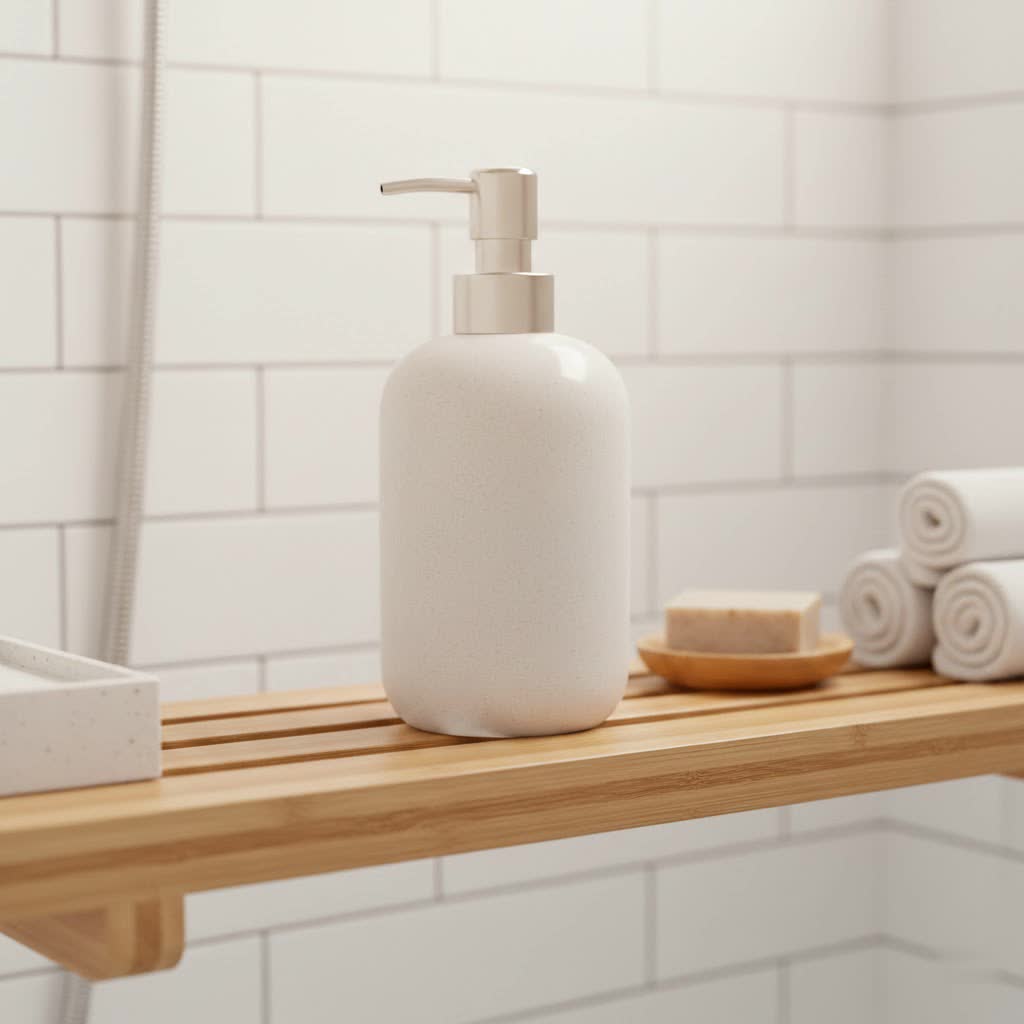
Tired of messy soap bottles and concerns about germ spread? Traditional soap dispensers can often become breeding grounds for germs and contribute to countertop clutter. However, the modern automatic soap dispenser offers a touchless, hygienic, and incredibly convenient way to maintain cleanliness. This comprehensive guide will explore the evolution, undeniable benefits, diverse types, and crucial factors in choosing the perfect automatic soap dispenser for your space, ensuring a cleaner, smarter, and more efficient handwashing experience for everyone.
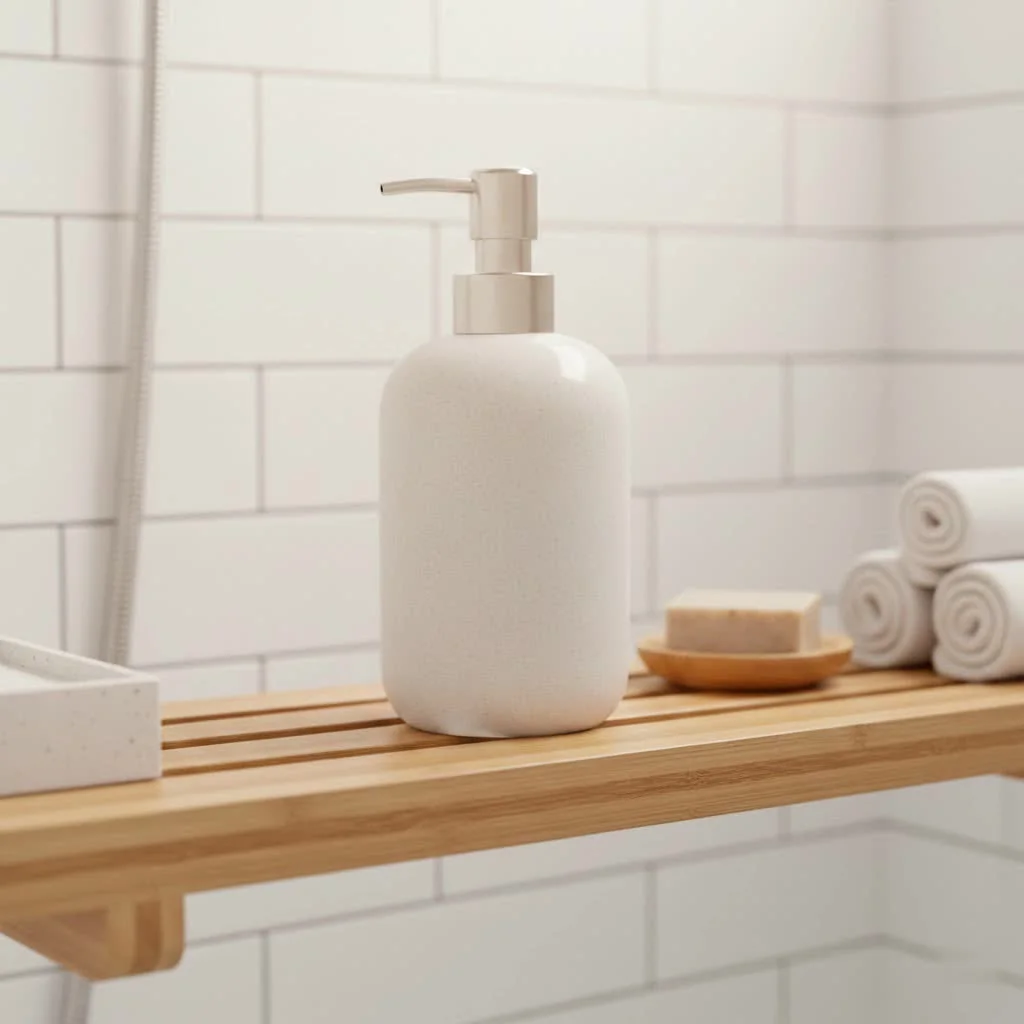
Automatic Soap Dispensers: Evolution and Everyday Role
Automatic soap dispensers have truly transformed daily hygiene by offering a seamless, touchless method to dispense soap. These innovative devices minimize physical contact, significantly enhancing cleanliness in both residential and commercial settings. Their rise in popularity, especially in recent years, highlights a global shift towards more sanitary and convenient practices.
The journey of the soap dispenser has seen considerable development, evolving from simple manual pumps to advanced sensor-driven units. While early designs necessitated physical interaction to deliver soap, the breakthrough of infrared motion sensors revolutionized the concept entirely, enabling completely hands-free operation. This technological leap directly addresses the critical need to reduce cross-contamination, making the act of handwashing not only more effective but also far more appealing.
At their core, automatic soap dispensers operate using an infrared motion sensor. This sensor accurately detects the presence of hands beneath the nozzle. Once a hand is detected within its designated range, a small electric pump is activated, dispensing a pre-programmed amount of liquid or foam soap. These devices are typically powered by batteries, such as AA, AAA, or rechargeable lithium-ion cells, or in some commercial applications, by a direct AC supply, ensuring consistent and effortless operation without any manual input. Currently, they are primarily categorized by their installation method: freestanding countertop models and permanently fixed wall-mounted units.
Popular Automatic Soap Dispenser Types
The market offers a diverse range of automatic soap dispensers, each designed to cater to different needs and aesthetic preferences. Understanding the distinctions between these types is crucial for selecting the best fit for your home or business.
Countertop Automatic Soap Dispensers
Countertop automatic soap dispensers are perhaps the most common and easily integrated type for home use.
- Advantages:
- Portability: These dispensers can be effortlessly moved from one sink to another, whether it’s in the kitchen, bathroom, or a utility room, offering unparalleled flexibility.
- Easy Installation: There’s no need for drilling or permanent fixtures. Simply place the unit on any flat surface, fill it with soap, and it’s ready to use.
- Aesthetic Variety: Available in a vast array of designs, colors, and materials, they can easily match or enhance any interior décor style.
- Disadvantages:
- Occupies Counter Space: In smaller bathrooms or kitchens, a countertop dispenser can contribute to clutter.
- Less Secure: Being freestanding, they are easier to accidentally knock over or move.
- Applications: They are ideal for homes, small offices, and any area where flexibility in placement is desired, making them a popular choice for personal use.
Wall-Mounted Automatic Soap Dispensers
|
Our Picks for the Best Soap Dispenser in 2026
As an Amazon Associate I earn from qualifying purchases.
|
||
| Num | Product | Action |
|---|---|---|
| 1 | OXO Good Grips Soap Dispenser - 10 oz |

|
| 2 | JASAI 18Oz Green Glass Soap Dispenser with Gold Rust Proof Pump, Refillable Kitchen soap Dispenser for Dish Soap, Soap Dispenser Bathroom for Hand soap, Lotion, Body Wash. |
|
| 3 | OXO Good Grips Stainless Steel Soap Dispenser, Kitchen and Bathroom Accessories |
|
| 4 | JASAI 2PACK 18 Oz Glass Soap Dispenser with Rust Proof Stainless Steel Pump, Refillable Hand Soap Dispenser with Vertical Stripe, Premium Bathroom soap Dispenser for Kitchen & Bathroom |
|
| 5 | AIKE 15fl.oz Liquid Soap Dispenser for Dish and Hand Soap Matte Black |
|
| 6 | Automatic Soap Dispenser, Touchless Dish Soap Dispenser 17oz/500ml with Infrared Sensor, 5 Adjustable Soap Levels, Liquid Dispenser for Bathroom Kitchen (Silver) |
|
| 7 | simplehuman 8 oz. Touch-Free Sensor Liquid Soap Pump Dispenser with Soap Sample, Brushed Nickel |
|
| 8 | Clear Soap Dispenser with Rust Proof Pump, Waterproof Labels (2 Pack,16 Oz), Plastic Hand Soap Dish Soap Dispenser for Kitchen Bathroom |
|
| 9 | Small Soap Dispenser for Bathroom and Kitchen, Modern Farmhouse Striped Style Plastic Hand Soap Dish Soap Dispenser with Pump Matte Black |
|
| 10 | Aunmaon Automatic Soap Dispenser Touchless, Hands-Free, Multi Adjustable Volume, Long Battery Life, Compatible with Thick & Thin Dish/Hand Soap for Bathroom and Kitchen, Easy for Toddlers, Black |
|
For those seeking a more permanent and streamlined solution, wall-mounted automatic soap dispensers are an excellent option.
- Advantages:
- Space-Saving: By freeing up valuable counter space, these dispensers promote a cleaner, more organized, and minimalist look in any washroom.
- Enhanced Hygiene: Fixed to the wall, they are less likely to be touched or moved by unwashed hands, further minimizing germ transfer.
- Security: Wall-mounted units are typically secured with screws, making them highly suitable for public, commercial, or high-traffic environments where durability and tamper-resistance are important.
- Durability: Many commercial-grade wall-mounted dispensers are constructed from robust materials like stainless steel, designed to withstand rigorous use.
- Disadvantages:
- Permanent Installation: Installing them requires drilling, which means their position is fixed once mounted and relocation can be challenging.
- Less Flexible: Unlike portable models, their placement cannot be easily changed once installed.
- Applications: These are perfect for public restrooms, commercial kitchens, clinics, and larger households that desire a sleek, permanent, and highly hygienic handwashing solution.
Foaming Automatic Soap Dispensers
Foaming automatic soap dispensers offer a unique and often more economical handwashing experience.
- Advantages:
- Economical: These dispensers convert liquid soap into a rich foam, which means significantly less soap is used per pump, leading to savings over time.
- Rich Lather: The foam provides a satisfying and luxurious handwashing experience, ensuring thorough coverage with less product.
- Kid-Friendly: Foam is generally easier for children to spread across their hands and rinse off completely.
- Disadvantages:
- Requires Specific Soap: They are best used with dedicated foaming soap or regular liquid soap that has been adequately diluted with water.
- Mechanism Complexity: If incorrect soap consistency is used, the foaming mechanism can be more prone to clogging.
- Applications: Excellent for families, high-traffic areas where soap conservation is important, and for anyone who prefers the pleasant feel of foam soap.
Liquid Automatic Soap Dispensers
Liquid automatic soap dispensers are the most versatile category, compatible with a wide array of products.
- Advantages:
- Versatility: They can be filled with a broad range of liquid soaps, sanitizers, and even certain lotions, making them highly adaptable.
- Simple Mechanism: Generally, their pumping mechanism is robust and less prone to issues related to soap consistency compared to foaming models.
- Disadvantages:
- Potentially Higher Soap Consumption: These dispense liquid directly, which might lead to using more product than a foaming dispenser.
- Can Be Messier: Some models, if not well-designed, may occasionally drip, creating minor messes on countertops.
- Applications: Suitable for most general-purpose handwashing needs, particularly when a variety of liquid products are preferred without the need for dilution.
Detailed Comparison of Automatic Soap Dispenser Types
To further simplify your decision-making process, here’s a detailed comparison across key criteria for the most common types of automatic soap dispensers:
| Feature | Countertop (Liquid/Foam) | Wall-Mounted (Liquid/Foam) | Foaming (Mechanism) | Liquid (Mechanism) |
|---|---|---|---|---|
| Installation | Portable, no permanent fix | Permanent, requires drilling | Varies by installation type | Varies by installation type |
| Space Saving | Takes up counter space | Frees up counter space | Depends on physical design | Depends on physical design |
| Hygiene | Touchless, good | Touchless, excellent | Touchless, excellent | Touchless, excellent |
| Soap Usage | Moderate to high | Moderate to high | Low (uses less soap product) | Moderate to high |
| Refill Ease | Typically easy, often top-fill | Can be easy, some lockable | Easy, often top-fill | Easy, often top-fill |
| Durability | Varies by material & brand | High, often commercial grade | Varies by material & brand | Varies by material & brand |
| Aesthetic | High variety, decorative | Sleek, modern, integrated | Modern, often translucent | Classic, often opaque |
| Price Range | Lower to mid-range | Mid to higher-end | Mid-range | Lower to mid-range |
| Best For | Homes, personal use, flexibility | Public/commercial, modern homes | Economical, satisfying lather | Versatile, common use |
Guide to Choosing the Right Automatic Soap Dispenser
Choosing the ideal automatic soap dispenser involves more than just picking the first sleek model you encounter. It’s about finding a device that perfectly integrates with your lifestyle and complements your space. Consider these factors to ensure your selection is a wise investment:
Determine Usage Needs
Your specific requirements should be the starting point for your decision.
- Number of Users: For a single individual or a small family, a dispenser with a smaller capacity (e.g., 150-250 ml) might be perfectly adequate, reducing the frequency of refills. Conversely, high-traffic areas or larger households will significantly benefit from units offering larger capacities (e.g., 300ml to over 1 liter) to minimize constant refilling.
- Location: The intended location plays a critical role. A kitchen dispenser might prioritize features suitable for dish soap, while a bathroom dispenser may focus more on aesthetics and advanced hygiene features. Public spaces, on the other hand, demand robust, secure, and very high-capacity units designed for heavy use and durability.
- Frequency of Use: A dispenser that will be used dozens of times a day, such as in a busy office restroom, requires a particularly durable pump mechanism and a long-lasting battery or reliable power source to ensure uninterrupted service.
Choose the Right Material
The material of your automatic soap dispenser impacts not only its appearance but also its durability and maintenance.
- Plastic: Pros: Generally the most affordable option, lightweight, and available in a vast range of colors and designs. Cons: Can sometimes appear less premium, and certain plastics may degrade or yellow over extended periods. Best for: Budget-conscious buyers or casual home use.
- Stainless Steel: Pros: Highly durable, naturally resistant to rust and corrosion, offers a sleek and modern aesthetic, and is relatively easy to clean. Cons: Tends to be more expensive than plastic and can sometimes show fingerprints or water spots. Best for: Modern interiors, high-traffic areas, and commercial settings where resilience is key.
- Ceramic/Glass: Pros: Provides a premium feel, offers exceptional aesthetic appeal, and glass options are often eco-friendly as they are endlessly recyclable. Their weight also provides remarkable stability. Cons: More fragile than plastic or metal, heavier, and typically the most expensive. Best for: Upscale homes and design-focused spaces where elegance and stability are prioritized.
Consider Style and Design
Beyond functionality, the visual appeal of your dispenser should integrate seamlessly with your existing interior decor. Many manufacturers offer models with minimalist, contemporary, or classic designs. Look for features such as transparent soap chambers, which allow for easy monitoring of soap levels, and subtle LED indicators that contribute to both aesthetics and practical functionality. The overall footprint and shape also matter, ensuring it doesn’t overwhelm your space.
Research Brands and Suppliers
A reputable brand often signifies better product quality, reliability, and robust customer support. It’s advisable to seek out brands known for their innovation in smart home devices or hygiene solutions. Reading reviews and testimonials from other users can provide invaluable real-world insights into product performance, common complaints, and the effectiveness of customer service. This step can help you avoid potential pitfalls and choose a trusted product.
Read Reviews and Compare Prices
Online reviews are an invaluable resource for understanding the pros and cons of specific models. Pay close attention to feedback regarding sensor accuracy, battery life, ease of refilling, and overall durability. While adhering to a budget is important, it’s crucial to avoid sacrificing quality for a lower price. A slightly higher initial investment often translates into better long-term performance, fewer issues, and greater longevity, providing better value in the long run.
Top 5 Automatic Soap Dispensers to Consider
While specific models and their availability can fluctuate rapidly, the following categories and popular features generally represent some of the most sought-after and reliable automatic soap dispensers on the market today. These selections draw from common recommendations and consistently positive user feedback.
- Simplehuman Sensor Pump (Liquid/Foam):
- Pros: Renowned for its sleek, modern design and highly responsive, adjustable dispense volume, which can be controlled by hand position. Often features durable construction (frequently stainless steel) and a long-lasting rechargeable battery.
- Cons: Typically positioned at a higher price point compared to other brands.
- Ideal for: Premium home kitchens and bathrooms, as well as users who prioritize aesthetics, modern technology, and robust performance.
- Secura Premium Touchless Automatic Soap Dispenser (Liquid):
- Pros: Features a generous capacity (often 17oz), a clear container for effortless soap level monitoring, and a versatile wall-mountable option to save counter space. Offers adjustable volume control and is compatible with various liquid soaps.
- Cons: Can have a larger footprint that may not suit very small spaces; typically uses standard AA batteries which require periodic replacement.
- Ideal for: Families, high-use areas, and individuals seeking a high-capacity dispenser with flexible installation options.
- Umbra Otto Automatic Soap Dispenser (Liquid/Foam):
- Pros: Recognized for its modern, minimalist design, available in several attractive finishes. Provides a reliable sensor pump and is multipurpose, suitable for hand soap, hand sanitizer, or dish soap.
- Cons: Some models may have a fixed dispense amount, and its sensor can occasionally be prone to accidental activation if objects are placed too close.
- Ideal for: Design-conscious individuals, small to medium-sized households, and those seeking a stylish yet compact handwashing solution.
- Hanamichi Automatic Soap Dispenser (Liquid):
- Pros: Highly accommodating for a wide variety of liquid soaps, equipped with a smart infrared motion sensor for precise dispensing, and often includes an adjustable soap volume feature. Frequently designed with a clear reservoir to easily check soap levels.
- Cons: Some users might find that its detection range requires hands to be placed quite close to avoid accidental spills.
- Ideal for: General home use, and users looking for a reliable and versatile dispenser that offers good value in the mid-range price segment.
- Gotofine Automatic Foaming Soap Dispenser (Foam):
- Pros: Delivers excellent foaming action, features good radar detection for quick activation, and can be conveniently wall-mounted with an included adhesive sticker. Offers multiple soap level settings.
- Cons: Can produce a noticeable sound during operation; may require diluting regular liquid soap to achieve the best foaming consistency.
- Ideal for: Eco-conscious users, families, and those who prioritize soap efficiency and enjoy the rich, satisfying experience of foam soap.
Proper Usage and Maintenance for Your Automatic Soap Dispenser
To ensure your automatic soap dispenser operates efficiently, hygienically, and serves you reliably for many years, adhering to proper usage guidelines and performing routine maintenance is absolutely essential.
Safe and Effective Usage
- Correct Soap Type: Always fill your dispenser with liquid hand soap or dish soap. If you own a foaming dispenser, it’s best to use dedicated foaming soap or dilute regular liquid soap with water (a common ratio is 1 part soap to 3 or 4 parts water) to prevent clogging and ensure optimal foam production.
- Optimal Placement: Position your dispenser on a stable, flat surface, strategically away from direct sunlight or highly reflective objects, which could potentially trigger the sensor accidentally. For wall-mounted units, ensure it’s installed at a convenient and accessible height for all users.
- Sensor Awareness: Familiarize yourself with the sensor’s range. Most dispensers require your hand to be within 2-3 inches for activation. Some advanced models even allow you to control the dispensed amount by adjusting how close or far your hand is positioned.
- Battery Management: Regularly monitor the battery life. Many units feature indicator lights to signal low power. Promptly replace standard batteries or recharge rechargeable units to ensure uninterrupted operation and avoid sudden power failures.
Cleaning and Maintenance Tips
- Regular Exterior Cleaning: Wipe down the exterior of your dispenser routinely with a soft, damp cloth to remove any soap residue, dust, or water spots. For stainless steel models, using a specialized cleaner designed for the material will help maintain its pristine shine and prevent smudges.
- Preventing Clogging: If you observe a reduced flow of soap or no soap dispensing, the nozzle may be clogged. A simple remedy is to run warm water through the pump mechanism by dispensing it into a cup of warm water for several cycles. For more stubborn clogs, you might need to carefully disassemble the nozzle and clean it with a small brush or a toothpick.
- Timely Refilling: Make it a habit to refill the dispenser before it completely empties. This prevents air from entering the pump mechanism, which can cause issues. If air does get in, you may need to cycle the dispenser several times after refilling to properly prime the pump and restore normal function.
- Battery Replacement Best Practices: For battery-operated units, always replace all batteries at once. Using fresh batteries simultaneously ensures consistent power delivery and significantly reduces the risk of battery leakage, which can damage the dispenser.
“Automatic soap dispensers aren’t just a gadget; they’re a subtle yet significant upgrade to daily hygiene. Their touchless operation provides peace of mind, especially in a world where cleanliness is paramount.” – Sarah Chen, Hygiene Technology Expert
Conclusion
Automatic soap dispensers are far more than just a modern convenience; they represent a vital tool for promoting superior hygiene and enhancing efficiency in any environment. From their ability to significantly reduce germ transmission to minimizing soap waste and adding a touch of contemporary elegance, the benefits of these devices are unequivocally clear. Whether you decide to opt for a sleek, portable countertop model for your kitchen or a robust, high-capacity wall-mounted unit for a busy bathroom, taking the time to understand the various types, durable materials, and advanced features available will empower you to make an informed and confident choice. Embrace the touchless revolution and improve your handwashing routine into a cleaner, smarter, and far more satisfying experience for everyone. Which automatic soap dispenser will improve your space today?
Frequently Asked Questions
What type of soap can I use in an automatic soap dispenser?
Most automatic soap dispensers are compatible with liquid hand soap, dish soap, or liquid hand sanitizer. For foaming dispensers, it is essential to use foaming soap or dilute regular liquid soap with water (typically a 1:3 or 1:4 soap-to-water ratio) to achieve the correct consistency and prevent clogging.
How often do automatic soap dispensers need to be refilled?
The frequency of refills largely depends on the dispenser’s capacity and how often it is used. Smaller units (e.g., 150-250 ml) in high-traffic areas might require more frequent attention, while larger capacities (e.g., 500ml-1L+) can easily last for weeks or even months in a typical home setting.
Are automatic soap dispensers truly more hygienic than manual ones?
Yes, automatic soap dispensers are generally considered significantly more hygienic. This is because they completely eliminate the need for physical contact with the dispenser itself. This touchless operation critically reduces the potential for cross-contamination and minimizes the spread of germs and bacteria between users.
What should I do if my automatic soap dispenser stops working?
If your automatic soap dispenser ceases to function, first check the batteries or its power source. For battery-operated units, replacing the batteries is often the quickest fix. If the problem persists, inspect the nozzle and pump mechanism for any clogs and attempt to clean them. Some models may also have a reset button or specific troubleshooting steps outlined in their user manual.
Can automatic soap dispensers be used with thick lotions or sanitizers?
While many automatic dispensers are versatile, thick lotions or gels might not dispense effectively and could potentially clog the internal mechanism. It is always best practice to consult the manufacturer’s recommendations for compatible liquids. For thick sanitizers, specialized automatic sanitizer dispensers are often designed to handle their viscosity, but liquid or gel hand sanitizers usually work well in standard liquid soap dispensers.
Cooking gear we tested in our own kitchens
Free PDF — preheat times measured on 10 popular air fryers.
