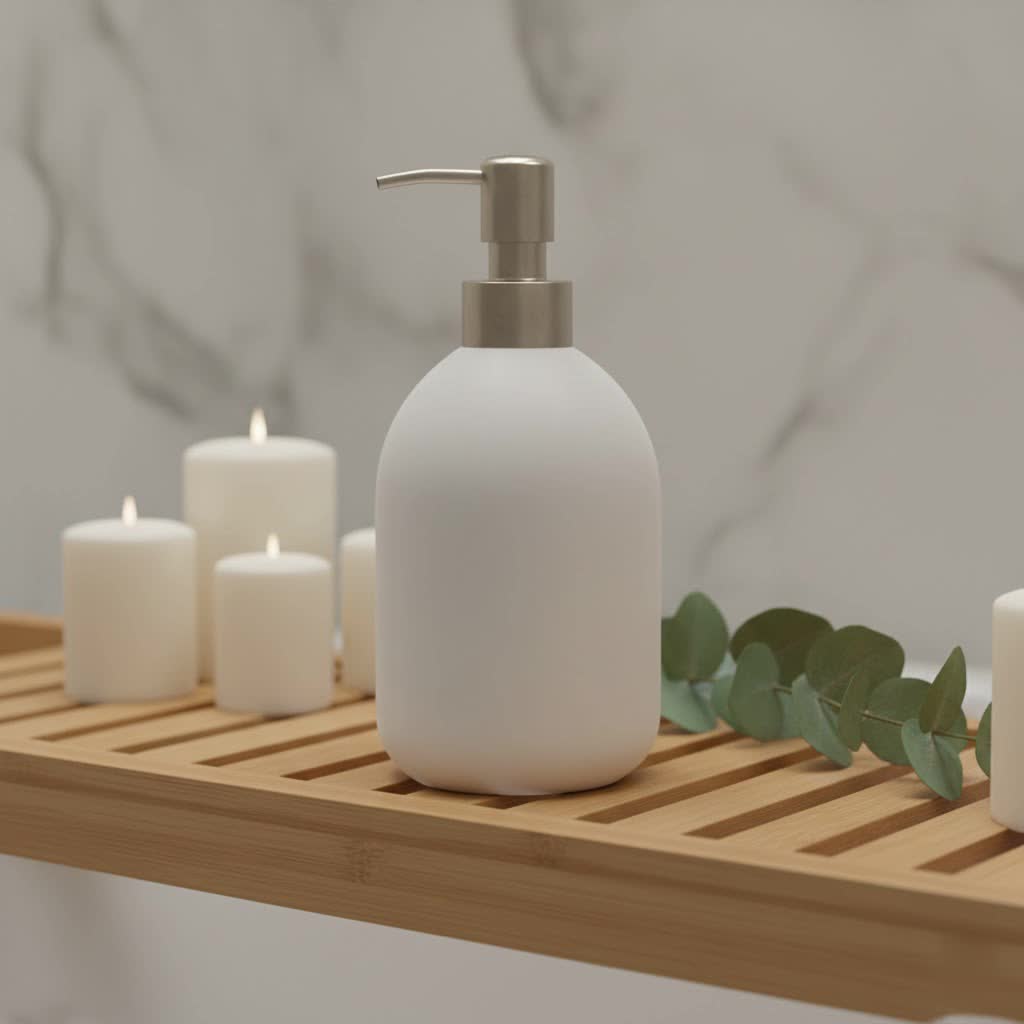
In our daily routines, few items are as essential yet often overlooked as the humble soap dispenser. While its purpose remains steadfast—to deliver cleanliness—the evolution of its design and functionality has brought forth innovative solutions, none more popular than the foaming soap dispenser. This modern marvel transforms ordinary liquid soap into a rich, airy lather, promising not just clean hands but also an enhanced experience, significant savings, and a touch of elegance to any space. Are you ready to discover how a foaming soap dispenser can revolutionize your handwashing habits and elevate your home or business?
Foaming Soap Dispensers: An Overview and Evolution
The journey of the soap dispenser has seen remarkable shifts, from simple bar soap dishes to intricate liquid pumps, culminating in today’s sophisticated foaming models. Traditionally, soap was an undifferentiated block, requiring users to rub and lather it manually. The advent of liquid soap and its accompanying pump dispenser streamlined this process, offering a more hygienic and convenient alternative. However, the true game-changer arrived with the foaming soap dispenser, which redefined handwashing by delivering a pre-lathered product. This innovation addresses common pain points like messy drips and excessive soap usage, making hand hygiene not only more effective but also more enjoyable.
Modern foaming soap dispensers come in various forms, catering to diverse needs and aesthetics. From sleek automatic models that offer touchless operation to stylish manual pumps and convenient wall-mounted units, there’s a foaming soap dispenser designed for every bathroom, kitchen, or public facility.
How Foaming Soap Dispensers Work Their Magic
The science behind a foaming soap dispenser is surprisingly simple yet highly effective. Unlike traditional liquid soap dispensers that pump out concentrated soap, foaming dispensers integrate a clever mechanism that mixes liquid soap with air. The dispenser’s pump draws a small amount of liquid soap from the reservoir and combines it with a larger volume of air as it passes through a narrow passage or a fine mesh screen. This aeration process creates a frothy, voluminous foam with numerous tiny bubbles.
The key to this transformation lies in the precise ratio of soap to air. By diluting the liquid soap with air, the dispenser effectively pre-lathers the product, delivering a ready-to-use foam. This ingenious design ensures that a minimal amount of liquid soap goes a long way, spreading easily across hands for thorough coverage without requiring extra effort to build a lather.
Benefits of Choosing a Foaming Soap Dispenser
Opting for a foaming soap dispenser brings a host of advantages that extend beyond mere cleanliness.
Enhanced Hygiene: The pre-lathered foam provides better coverage on hands, ensuring more effective removal of dirt and germs. Since the foam rinses off quicker than liquid soap, it also encourages more thorough washing.
Cost-Effectiveness: Foaming soap dispensers are remarkably efficient. They use significantly less soap per pump compared to their liquid counterparts, meaning you refill your dispenser less frequently and purchase less soap overall, leading to considerable long-term savings.
Environmental Impact: By consuming less soap and often less water per wash, foaming dispensers contribute to reduced waste. Many models are refillable, further cutting down on single-use plastic bottles and promoting eco-friendly practices.
Gentler on Skin: The light, airy texture of foam soap is often perceived as gentler on the skin, reducing the likelihood of dryness and irritation, especially for individuals who wash their hands frequently.
Cleaner Dispensing: Foam hand soap tends to cling better to hands and is less prone to dripping, which minimizes mess on countertops and floors, making for a tidier environment.
Improved User Experience: The instant lather and pleasant texture make handwashing a more enjoyable experience, particularly encouraging children to maintain good hand hygiene habits.
“Foaming soap dispensers are not just about saving soap; they’re about transforming a mundane chore into a cleaner, more economical, and even enjoyable part of your day.” – Dr. Eleanor Vance, Public Health Specialist
Foaming vs. Liquid Soap Dispensers: A Detailed Comparison
While both foaming and liquid soap dispensers serve the fundamental purpose of cleanliness, their operational differences lead to distinct advantages and drawbacks. Understanding these distinctions is crucial for making an informed choice.
| Feature | Foaming Soap Dispenser | Liquid Soap Dispenser |
|---|---|---|
| Soap Usage | Highly efficient; uses significantly less product/pump. | Less efficient; often requires more soap per pump. |
| Water Usage | Generally less water needed for rinsing. | May require more water to rinse thoroughly. |
| Lathering | Instantaneous, pre-lathered foam. | Requires manual lathering. |
| Hygiene | Spreads easily, covers more surface area effectively. | Effective, but might need more effort for full coverage. |
| Cost Over Time | Lower long-term costs due to less soap consumption. | Higher long-term costs due to more soap consumption. |
| Messiness | Less dripping, cleaner countertops. | Prone to drips and residue build-up. |
| Skin Impact | Often perceived as gentler, less drying. | Can be more concentrated, potentially more drying. |
| Ideal Application | High-traffic areas, homes, schools, eco-conscious users. | Industrial settings, specific degreasing needs, those preferring rich texture. |
Foaming soap dispensers typically excel in efficiency, water savings, and user experience, making them a superior choice for general handwashing in most settings. However, liquid soap still holds its ground in specialized applications where a denser texture or stronger cleaning power is prioritized, such as in certain industrial environments.
Types of Foaming Soap Dispensers on the Market
The market offers a wide array of foaming soap dispensers, each designed with specific functionalities and aesthetic appeals.
Manual Foaming Soap Dispensers
|
Our Picks for the Best Soap Dispenser in 2026
As an Amazon Associate I earn from qualifying purchases.
|
||
| Num | Product | Action |
|---|---|---|
| 1 | AIKE 15fl.oz Liquid Soap Dispenser for Dish and Hand Soap Matte Black |

|
| 2 | Automatic Soap Dispenser, Touchless Dish Soap Dispenser 17oz/500ml with Infrared Sensor, 5 Adjustable Soap Levels, Liquid Dispenser for Bathroom Kitchen (Silver) |
|
| 3 | simplehuman 8 oz. Touch-Free Sensor Liquid Soap Pump Dispenser with Soap Sample, Brushed Nickel |
|
| 4 | JASAI 18Oz Green Glass Soap Dispenser with Gold Rust Proof Pump, Refillable Kitchen soap Dispenser for Dish Soap, Soap Dispenser Bathroom for Hand soap, Lotion, Body Wash. |
|
| 5 | Small Soap Dispenser for Bathroom and Kitchen, Modern Farmhouse Striped Style Plastic Hand Soap Dish Soap Dispenser with Pump Matte Black |
|
| 6 | Clear Soap Dispenser with Rust Proof Pump, Waterproof Labels (2 Pack,16 Oz), Plastic Hand Soap Dish Soap Dispenser for Kitchen Bathroom |
|
| 7 | OXO Good Grips Stainless Steel Soap Dispenser, Kitchen and Bathroom Accessories |
|
| 8 | OXO Good Grips Soap Dispenser - 10 oz |
|
| 9 | JASAI 2PACK 18 Oz Glass Soap Dispenser with Rust Proof Stainless Steel Pump, Refillable Hand Soap Dispenser with Vertical Stripe, Premium Bathroom soap Dispenser for Kitchen & Bathroom |
|
| 10 | Aunmaon Automatic Soap Dispenser Touchless, Hands-Free, Multi Adjustable Volume, Long Battery Life, Compatible with Thick & Thin Dish/Hand Soap for Bathroom and Kitchen, Easy for Toddlers, Black |
|
These are the most common and often the most affordable type. They operate with a simple push-down pump mechanism.
- Pros: Easy to use, no batteries or power required, wide range of designs and materials (plastic, glass, ceramic, stainless steel).
- Cons: Requires physical contact, potential for germs if not cleaned regularly.
- Applications: Ideal for homes, small offices, and any setting where simplicity and reliability are key.
Automatic (Touchless) Foaming Soap Dispensers
Leveraging infrared sensors, these dispensers detect hand movement and dispense foam without physical contact.
- Pros: Superior hygiene due to touch-free operation, highly convenient, often feature adjustable dispense volumes.
- Cons: Requires batteries or power, typically more expensive, can sometimes be overly sensitive.
- Applications: Excellent for kitchens, public restrooms, healthcare facilities, and homes prioritizing advanced hygiene. Many modern options offer sleek designs and additional features like temperature displays.
Wall-Mounted Foaming Soap Dispensers
These dispensers are permanently affixed to a wall, saving countertop space and offering a clean, organized look.
- Pros: Space-saving, reduces clutter, can often hold larger capacities, durable installation.
- Cons: Requires installation, less portable, commitment to a specific location.
- Applications: Perfect for showers, busy public restrooms, commercial kitchens, and situations where counter space is limited.
Countertop Foaming Soap Dispensers
Designed to sit directly on a counter or sink, these are highly versatile and easy to move or refill.
- Pros: Portable, easy to refill and clean, available in various stylish designs to match decor.
- Cons: Takes up counter space, can be knocked over, may collect residue around the base.
- Applications: Common in home bathrooms and kitchens, guest bathrooms, and offices where flexibility is desired.
Guide to Selecting the Perfect Foaming Soap Dispenser
Choosing the right foaming soap dispenser involves considering several factors to ensure it meets your specific needs and preferences.
Assess Your Needs
Start by determining where the dispenser will be used and by whom.
- Usage Frequency: For high-traffic areas, a durable, high-capacity, or automatic model might be best.
- Location: Wall-mounted options save space, while countertop models offer flexibility.
- Users: Automatic dispensers are great for kids or those with sensitive skin who prefer minimal contact.
Material Matters
The material impacts durability, aesthetics, and maintenance.
- Plastic: Lightweight, affordable, shatter-proof, but can look less premium.
- Glass: Elegant, eco-friendly (easy to recycle), but fragile.
- Stainless Steel: Durable, rust-resistant, modern aesthetic, often anti-fingerprint.
- Ceramic/Stone: Luxurious, heavy, unique designs, but can be brittle.
Design and Aesthetics
The dispenser should complement your interior design.
- Consider colors, shapes, and finishes that align with your bathroom or kitchen decor. From minimalist to rustic, there’s a style for every taste.
Brand Reputation and Reviews
Investigate reputable brands known for quality and customer satisfaction.
- Reading user reviews can provide insights into a product’s longevity, pump quality, and common issues. Some brands like Xiaomi and Simplehuman are frequently mentioned for their automatic dispensers.
Automatic vs. Manual Considerations
Weigh the pros and cons based on your priorities.
- Automatic: Offers maximum hygiene and convenience but requires batteries and a higher initial investment.
- Manual: Simple, reliable, and cost-effective, but requires touch.
Top Foaming Soap Dispensers Recommended for 2024
While specific product availability can shift, the top-performing foaming soap dispensers consistently offer a blend of efficiency, durability, and user-friendly features. In 2024, automatic, touchless models remain highly popular for their hygiene benefits and convenience, especially those with robust sensors and long-lasting battery life. Brands like Xiaomi are frequently cited for reliable automatic foaming dispensers. For manual options, models with sturdy pump mechanisms and attractive, refillable bottles (often made of amber glass or stylish plastic) continue to be favored. The UUJOLY Amber Foaming Soap Dispenser, for instance, is noted for its stylish appearance and reliable pump action, making it a great option for bathrooms. Look for dispensers that promise consistent foam delivery, are easy to refill, and are constructed from materials that complement your space.
DIY Foaming Soap: Make Your Own and Save!
Creating your own foaming soap is a fantastic way to save money, reduce waste, and customize scents to your liking.
Why DIY?
- Cost Savings: Significantly cheaper than buying pre-made foaming soap bottles.
- Customization: Choose your favorite liquid soap, add essential oils for unique fragrances, or opt for unscented for sensitive skin.
- Eco-Friendly: Reuse your existing foaming dispenser bottles, minimizing plastic waste.
Simple DIY Recipe
You’ll need:
- An empty foaming soap dispenser bottle.
- Liquid soap (Castile soap is a popular choice due to its natural, concentrated form).
- Distilled water (to avoid mineral buildup).
- Optional: 10-20 drops of essential oils for fragrance (e.g., lavender, tea tree, lemon).
Step-by-Step Instructions
- Fill with Soap: Pour about 1/4 to 1/3 cup of liquid soap (or 20% of the bottle’s volume) into your clean foaming soap dispenser. For concentrated Castile soap, start with a smaller amount, like 1 tablespoon for an 8-ounce bottle, and adjust as needed.
- Add Essential Oils (Optional): If desired, add your essential oils to the soap.
- Fill with Water: Slowly fill the remainder of the bottle with distilled water, leaving about 1 inch of space at the top for air and shaking. Some recipes suggest a ratio of 1 part soap to 4-6 parts water.
- Gently Mix: Screw the pump top back on and gently swirl or rock the bottle to combine the soap, water, and essential oils. Avoid vigorous shaking, which can create too much foam inside the bottle prematurely.
- Use and Enjoy: Your homemade foaming soap is ready! Give it a gentle shake before each use to ensure ingredients are well-dispersed.
Maintenance and Care for Your Foaming Soap Dispenser
Proper care ensures your foaming soap dispenser remains hygienic and functional for years.
Regular Cleaning: To prevent clogs and bacterial buildup, regularly rinse the dispenser bottle and pump mechanism with warm water. For a deeper clean, disassemble the pump and soak its components in warm soapy water, then rinse thoroughly.
Preventing Clogs: If your dispenser starts to sputter or clog, it’s often due to soap residue drying in the pump. Try running warm water through the pump or soaking it in a vinegar solution to dissolve buildup. Using the correct soap-to-water ratio for DIY solutions also helps prevent clogs.
Refilling Best Practices: Always clean the bottle before refilling, especially if switching soap types. Avoid overfilling the dispenser, as this can impede the pump’s ability to draw in air and create foam effectively.
Conclusion
The foaming soap dispenser stands as a testament to how small innovations can significantly enhance our daily lives. From its undeniable hygiene benefits and impressive cost savings to its gentle touch on skin and eco-friendly attributes, it offers a compelling upgrade over traditional liquid soap dispensers. By understanding how these clever devices work and choosing the right model for your needs, you can transform a simple act of handwashing into a more efficient, enjoyable, and sustainable practice. Isn’t it time you experienced the refreshing difference of a foaming soap dispenser?
Frequently Asked Questions
Are foaming soap dispensers more hygienic than liquid ones?
Yes, foaming soap dispensers can be more hygienic. The pre-lathered foam covers hands more effectively, leading to better germ removal. Touchless automatic models further enhance hygiene by eliminating physical contact with the dispenser.
Can I use any liquid soap in a foaming dispenser?
No, not all liquid soaps are suitable. Foaming dispensers require specific foaming soap formulations or a diluted liquid soap (like Castile soap mixed with water) to create the airy lather. Using undiluted liquid soap can clog the pump.
How much water do foaming soap dispensers save?
Foaming soap dispensers typically save water because the soap is pre-lathered, requiring less water to spread and rinse off compared to liquid soap, where users often need more water to create lather and rinse thoroughly.
Do foaming soap dispensers dry out hands less?
Many users find foaming soap dispensers gentler on the skin. The lighter, airier texture of the foam can feel less abrasive and may contribute to less dryness and irritation, particularly for those who wash their hands frequently.
How often should I clean my foaming soap dispenser?
It’s recommended to clean your foaming soap dispenser regularly, at least every few weeks, to prevent soap residue buildup and potential clogs. A thorough cleaning of the bottle and pump mechanism with warm water can extend its lifespan.
Cooking gear we tested in our own kitchens
Free PDF — preheat times measured on 10 popular air fryers.
