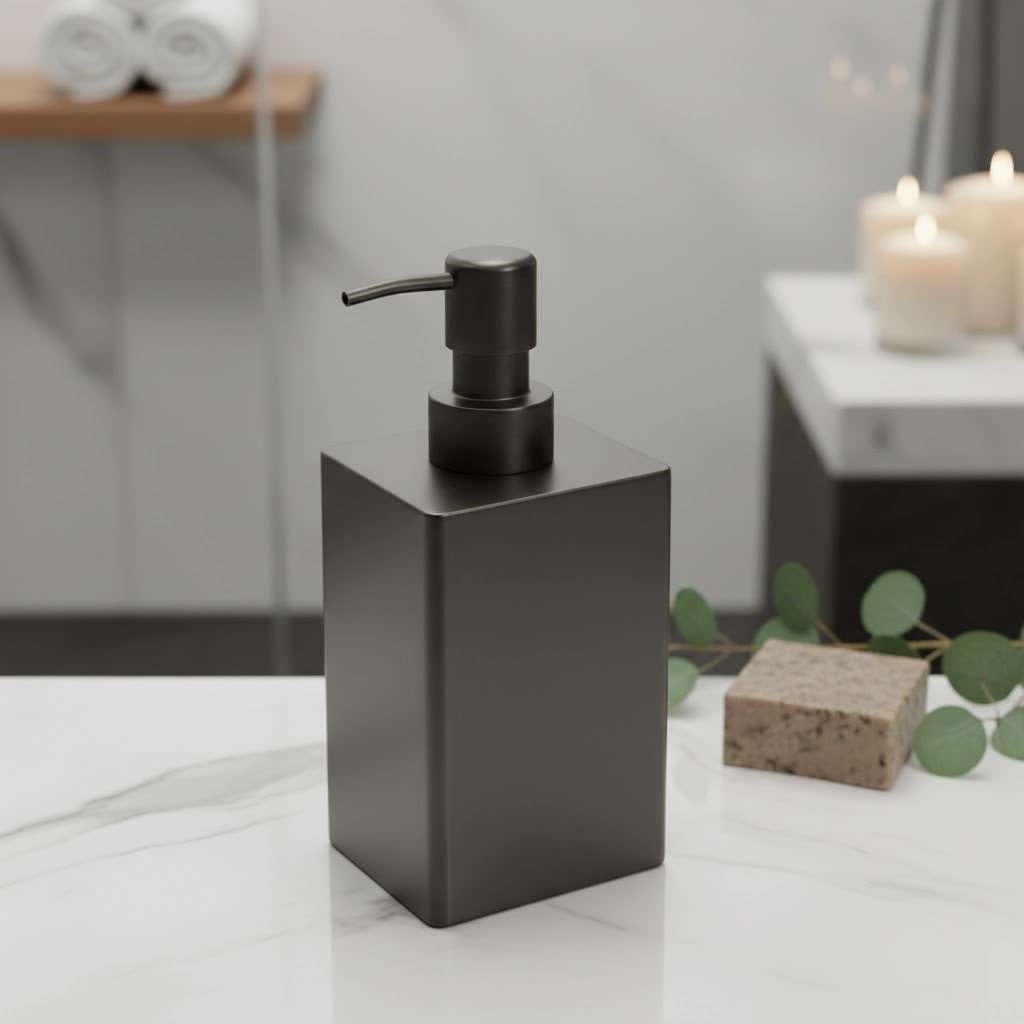
In an increasingly health-conscious world, the simple act of washing hands has taken on profound importance. But what if the very device meant to provide cleanliness could itself be a hub for germs? This fundamental concern has driven the widespread adoption of touch-free soap dispensers, transforming our approach to hygiene in both homes and public spaces. These innovative devices offer a hands-free solution, reducing germ transmission and bringing a new level of convenience to our daily routines.
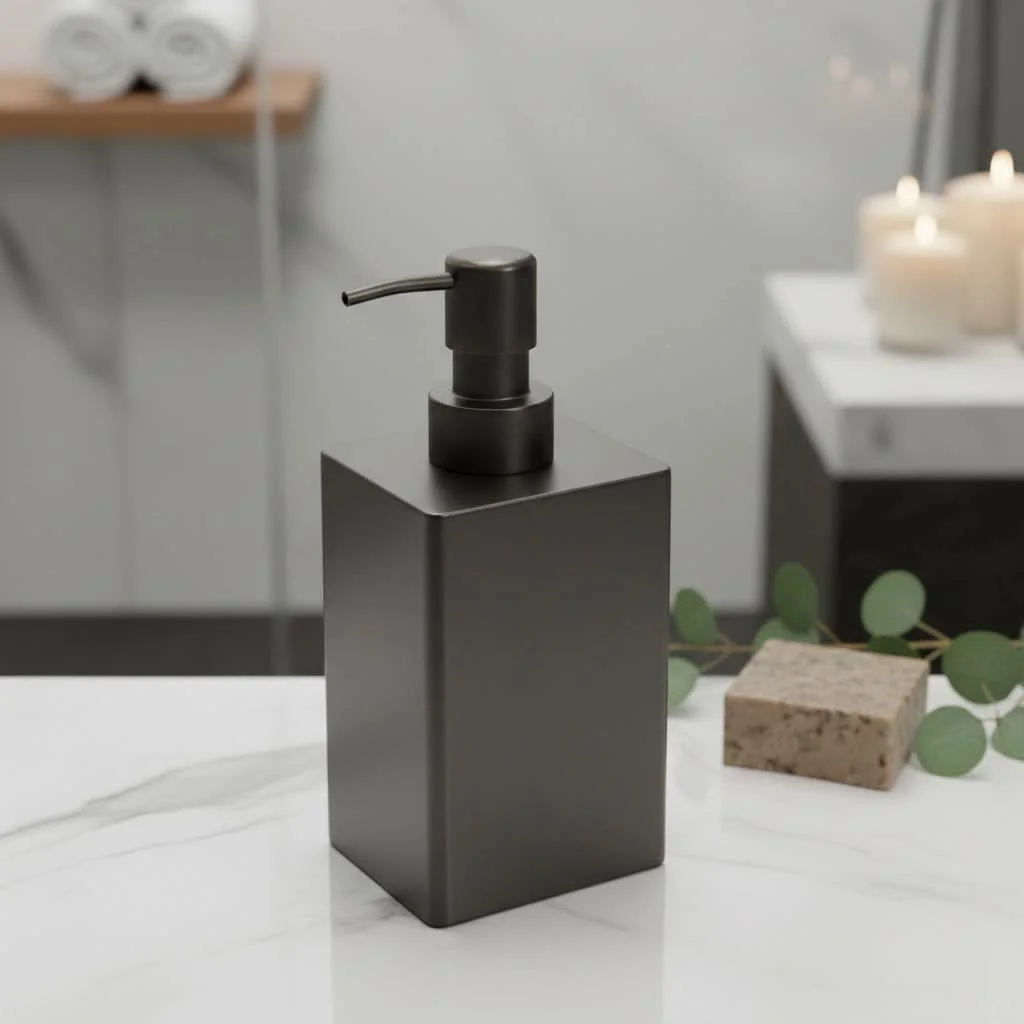
This comprehensive guide will delve into the world of touch-free soap dispensers, exploring their evolution, diverse types, key advantages, and how to choose the perfect model for your needs. Join us as we uncover the technology behind these modern essentials and provide insights to enhance your handwashing experience.
The Evolution of Touch-Free Soap Dispensers: A Hygienic Revolution
The concept of dispensing soap has a long history, evolving from simple bar soap to manual pump dispensers. However, the introduction of touch-free technology marked a significant leap forward in personal and public health. Traditional soap dispensers, which require physical contact to operate, inherently carry the risk of cross-contamination, as users touch the same surface before and after washing their hands.
The advent of the touch-free soap dispenser, typically utilizing infrared sensor technology, addressed this critical flaw. By allowing users to receive soap without touching the device, these dispensers dramatically reduce the spread of viruses and bacteria. This innovation gained immense traction, particularly in healthcare settings and public restrooms, where mitigating germ transmission is paramount. Over time, their benefits extended to residential spaces, where families sought similar levels of hygiene and convenience. The shift represents not just a technological upgrade, but a paradigm change in promoting cleaner, safer environments.
Unpacking the Types of Touch-Free Soap Dispensers
Touch-free soap dispensers come in various forms, each designed to suit different environments and aesthetic preferences. Understanding these types is crucial for selecting the best fit for your space.
Countertop (Free-Standing) Touch-Free Dispensers
Countertop touch-free dispensers are perhaps the most common and versatile type, ideal for residential kitchens and bathrooms.
- Advantages: They offer easy installation and portability, allowing you to place them anywhere a flat surface is available. Many models feature sleek designs that can complement various interior styles.
- Disadvantages: They occupy countertop space, which can be limited in smaller areas. There’s also a minor risk of them being accidentally knocked over.
- Applications: Perfect for home kitchens, bathrooms, and small office settings where flexibility is desired.
Wall-Mounted Touch-Free Dispensers
|
Our Picks for the Best Soap Dispenser in 2026
As an Amazon Associate I earn from qualifying purchases.
|
||
| Num | Product | Action |
|---|---|---|
| 1 | Clear Soap Dispenser with Rust Proof Pump, Waterproof Labels (2 Pack,16 Oz), Plastic Hand Soap Dish Soap Dispenser for Kitchen Bathroom |

|
| 2 | OXO Good Grips Stainless Steel Soap Dispenser, Kitchen and Bathroom Accessories |
|
| 3 | simplehuman 8 oz. Touch-Free Sensor Liquid Soap Pump Dispenser with Soap Sample, Brushed Nickel |
|
| 4 | JASAI 18Oz Green Glass Soap Dispenser with Gold Rust Proof Pump, Refillable Kitchen soap Dispenser for Dish Soap, Soap Dispenser Bathroom for Hand soap, Lotion, Body Wash. |
|
| 5 | AIKE 15fl.oz Liquid Soap Dispenser for Dish and Hand Soap Matte Black |
|
| 6 | Aunmaon Automatic Soap Dispenser Touchless, Hands-Free, Multi Adjustable Volume, Long Battery Life, Compatible with Thick & Thin Dish/Hand Soap for Bathroom and Kitchen, Easy for Toddlers, Black |
|
| 7 | JASAI 2PACK 18 Oz Glass Soap Dispenser with Rust Proof Stainless Steel Pump, Refillable Hand Soap Dispenser with Vertical Stripe, Premium Bathroom soap Dispenser for Kitchen & Bathroom |
|
| 8 | Small Soap Dispenser for Bathroom and Kitchen, Modern Farmhouse Striped Style Plastic Hand Soap Dish Soap Dispenser with Pump Matte Black |
|
| 9 | OXO Good Grips Soap Dispenser - 10 oz |
|
| 10 | Automatic Soap Dispenser, Touchless Dish Soap Dispenser 17oz/500ml with Infrared Sensor, 5 Adjustable Soap Levels, Liquid Dispenser for Bathroom Kitchen (Silver) |
|
Wall-mounted units are a popular choice for public and commercial settings, as well as space-conscious homes.
- Advantages: These dispensers save valuable countertop space, offering a cleaner and more organized look. Once securely installed, they are less prone to being moved or tampered with, contributing to greater security and reduced clutter. They are particularly beneficial in high-traffic areas where durability and accessibility are important.
- Disadvantages: Installation requires drilling and can be more permanent, limiting future rearrangement. They typically hold larger capacities, meaning less frequent refills.
- Applications: Widely used in public restrooms, commercial kitchens, medical facilities, and schools.
Deck-Mounted (Vanity-Mounted) Touch-Free Dispensers
Deck-mounted dispensers are integrated directly into the countertop or vanity, offering a seamless and sophisticated appearance.
- Advantages: They provide a very clean and minimalist aesthetic, with only the dispenser spout visible above the surface. This integrated design also means less clutter on the countertop and a more luxurious feel.
- Disadvantages: Installation is more complex, often requiring professional help to drill into the countertop. Their placement is permanent once installed, and refilling typically happens from underneath the counter, which can be less convenient.
- Applications: Often found in upscale hotels, high-end restaurants, modern corporate bathrooms, and residential bathrooms with a focus on minimalist design.
Touch-Free vs. Manual: A Detailed Comparison
Choosing between a touch-free and a manual soap dispenser involves weighing various factors, from hygiene to cost and convenience. Here’s a detailed comparison to help you make an informed decision:
| Feature | Touch-Free Soap Dispenser | Manual Soap Dispenser |
|---|---|---|
| Hygiene | Significantly reduces cross-contamination, hands-free operation. | High risk of cross-contamination through shared contact points. |
| Cost-Efficiency | Portion control reduces soap waste, leading to long-term savings. | Dispenses uncontrolled amounts, often leading to waste. |
| Convenience | Easy, intuitive operation with a wave of a hand. | Requires physical effort to press or pump. |
| Aesthetic | Modern, sleek, and often sophisticated designs. | Traditional, can vary from basic to decorative. |
| Installation | Varies from simple countertop placement to complex deck-mounting. | Generally simple, often countertop or basic wall mount. |
| Maintenance | Requires battery replacement/recharging, sensor cleaning. | Fewer electronic components, but susceptible to drips. |
| Accessibility | ADA compliant, easy for those with limited dexterity. | Can be difficult for individuals with mobility issues. |
Touch-free dispensers offer superior hygiene by eliminating direct contact, a critical factor in preventing germ spread. They also promote cost-efficiency through controlled dispensing, ensuring only the necessary amount of soap is used. While their initial cost might be higher, the long-term savings on soap and reduced risk of illness can offset this investment. Manual dispensers, conversely, are typically less expensive upfront and simpler in design but inherently pose a higher risk of germ transmission and soap waste.
“In environments where hygiene is paramount, such as healthcare facilities or food service, touch-free dispensers aren’t just a convenience; they’re a necessity for public health.”
Guiding Your Choice: What to Look for in a Touch-Free Soap Dispenser
Selecting the right touch-free soap dispenser requires careful consideration of several factors to ensure it meets your specific needs and preferences.
Capacity and Refill System
Dispenser capacity dictates how often you’ll need to refill it. Larger capacities (e.g., 500ml or more) are ideal for high-traffic areas or commercial use, minimizing maintenance. For home use, a smaller capacity (e.g., 250-400ml) might suffice. Consider the refill system:
- Open reservoirs: Allow you to use any liquid soap, offering flexibility and often being more economical.
- Proprietary cartridges: Convenient but limit you to specific soap brands and can be more expensive over time.
Material and Durability
The material of your dispenser impacts both its aesthetic and longevity.
- Plastic: Lightweight, affordable, and available in many colors and designs. However, it may be less durable than other options.
- Stainless Steel: Offers a modern, elegant look and is highly durable, rust-resistant, and easy to clean. It’s an excellent choice for kitchens and contemporary bathrooms.
- Ceramic/Glass: Provides a premium, decorative touch, often suitable for luxury settings, but can be fragile.
Power Source
Touch-free dispensers require power for their sensors and pump mechanisms.
- Battery-operated: Most common, offering cordless placement. Look for models with long battery life (e.g., 3-6 months per charge) or rechargeable options to reduce waste. Many use AA batteries.
- AC-powered: Less common for residential use, usually found in commercial, hardwired installations.
Sensor Technology and Dispensing
The effectiveness of a touch-free dispenser hinges on its sensor and dispensing mechanism.
- Sensor Responsiveness: A good sensor should activate quickly and consistently when hands are placed beneath it.
- Adjustable Volume: Some models allow you to control the amount of soap dispensed, helping to prevent waste and customize for different users (e.g., children vs. adults).
- No-Drip Nozzle: Essential to keep your countertops clean and free of soap residue. Look for flexible silicone valves that snap shut effectively.
- Foaming vs. Liquid: Some dispensers are specifically designed for foaming soap, which can be more economical and provide a richer lather.
Design and Aesthetics
Beyond functionality, the dispenser’s design should complement your existing decor.
- Consider its footprint: A compact design is crucial for small sinks or crowded countertops.
- Choose colors and finishes (e.g., brushed nickel, chrome, black, white) that match your fixtures and overall style.
- Clear soap reservoirs can be beneficial for easily monitoring soap levels.
Top Touch-Free Soap Dispensers for Enhanced Hygiene
The market offers a wide array of touch-free soap dispensers, each with unique features catering to different preferences. While “best” can be subjective, certain models consistently receive high praise for their performance, design, and user experience.
The Simplehuman Sensor Pump is frequently cited as a top contender, known for its sleek stainless steel design and advanced functionality. It features a highly responsive sensor that dispenses precise amounts of soap, coupled with a non-drip nozzle for a clean counter. Many Simplehuman models are rechargeable, offering extended use on a single charge. Its premium build quality and innovative features justify its price point for those seeking a high-end solution.
For larger capacities and versatility, the Secura 17oz Touchless Soap Dispenser is a popular choice. It often comes with a volume-control dial, allowing users to customize soap output, and can be used on a countertop or wall-mounted. Its clear soap container makes monitoring levels easy, making it suitable for busy households or commercial use.
Budget-conscious consumers often appreciate models like the XiaoRong Automatic Soap Dispenser, which delivers reliable performance without a hefty price tag. These typically feature durable construction, an accurate infrared sensor, and adjustable volume controls, providing practicality for everyday family use.
Other notable options prioritize specific attributes. The Umbra Otto Automatic Soap Dispenser stands out for its modern design and aesthetic appeal, often featuring a fluid-level indicator window and a large refill opening for convenience. For bathrooms, especially those used by children, the Aunmoan Automatic Soap Dispenser is praised for its user-friendly design, adjustable volume dial, and visible soap level window, making it a “kid-friendly” option.
When evaluating any model, consider its IPX waterproof rating, dispensing speed, and the brand’s reputation for reliability and customer support. Many top-tier dispensers boast quick dispense times (under a second) and strong water resistance, essential for bathroom and kitchen environments.
Maintaining Your Touch-Free Dispenser for Optimal Performance
Proper maintenance is key to ensuring the longevity and efficient operation of your touch-free soap dispenser. A few simple steps can keep it hygienic and functioning smoothly.
Regular cleaning is essential. Wipe down the exterior of the dispenser with a damp cloth to remove any dust, soap residue, or fingerprints. Pay particular attention to the nozzle and the sensor area, as blockages or smudges can affect dispensing accuracy. For a deeper clean, especially around the nozzle, a cotton swab dipped in warm water can help dislodge dried soap.
Refilling your dispenser should be done carefully to avoid spills. If your dispenser has an open reservoir, ensure you don’t overfill it. For cartridge-based systems, follow the manufacturer’s instructions for replacement to maintain hygiene and prevent damage.
Power management is another crucial aspect. For battery-operated units, replace batteries promptly when they run low to avoid malfunctions or leakage. If you have a rechargeable model, adhere to the recommended charging cycles. Most rechargeable dispensers will indicate a low battery warning.
If you encounter issues like the sensor not responding or soap not dispensing, check the battery level first. Then, ensure the sensor window is clean and unobstructed. Clogging can sometimes occur, especially with thicker soaps. If the dispenser allows, try diluting the soap slightly with water (check manufacturer guidelines) or gently cleaning the nozzle with a small brush. Always consult your dispenser’s user manual for specific troubleshooting tips.
Conclusion
Touch-free soap dispensers represent a significant advancement in promoting hygiene and convenience in our daily lives. By eliminating the need for physical contact, they effectively reduce the spread of germs, offering a safer handwashing experience for everyone. With a diverse range of types—from versatile countertop models to integrated deck-mounted designs—and a host of features like adjustable dispensing volumes and durable materials, there’s a touch-free solution for every space and need.
Upgrading to a touch-free soap dispenser is a small change that can make a big impact on your health and cleanliness. Are you ready to embrace a smarter, more hygienic way to wash your hands?
Frequently Asked Questions
How does a touch-free soap dispenser work?
Touch-free soap dispensers typically use an infrared sensor that detects the presence of hands beneath the spout. Once hands are detected, a small motor activates a pump that dispenses a pre-measured amount of liquid or foaming soap, all without any physical contact with the device.
Can I use any liquid soap in a touch-free dispenser?
Most touch-free dispensers with refillable reservoirs can accommodate various liquid soaps. However, it’s crucial to check the manufacturer’s specifications. Some dispensers are optimized for specific consistencies (e.g., foaming soap requires a different mechanism), and using overly thick or thin soap might cause clogging or improper dispensing.
Are touch-free soap dispensers truly more hygienic than manual ones?
Yes, touch-free soap dispensers are significantly more hygienic. By eliminating the need to touch the dispenser, they prevent the transfer of germs from unwashed hands to the dispenser’s surface, thus reducing the risk of cross-contamination and the spread of bacteria and viruses in both personal and public environments.
Cooking gear we tested in our own kitchens
Free PDF — preheat times measured on 10 popular air fryers.
