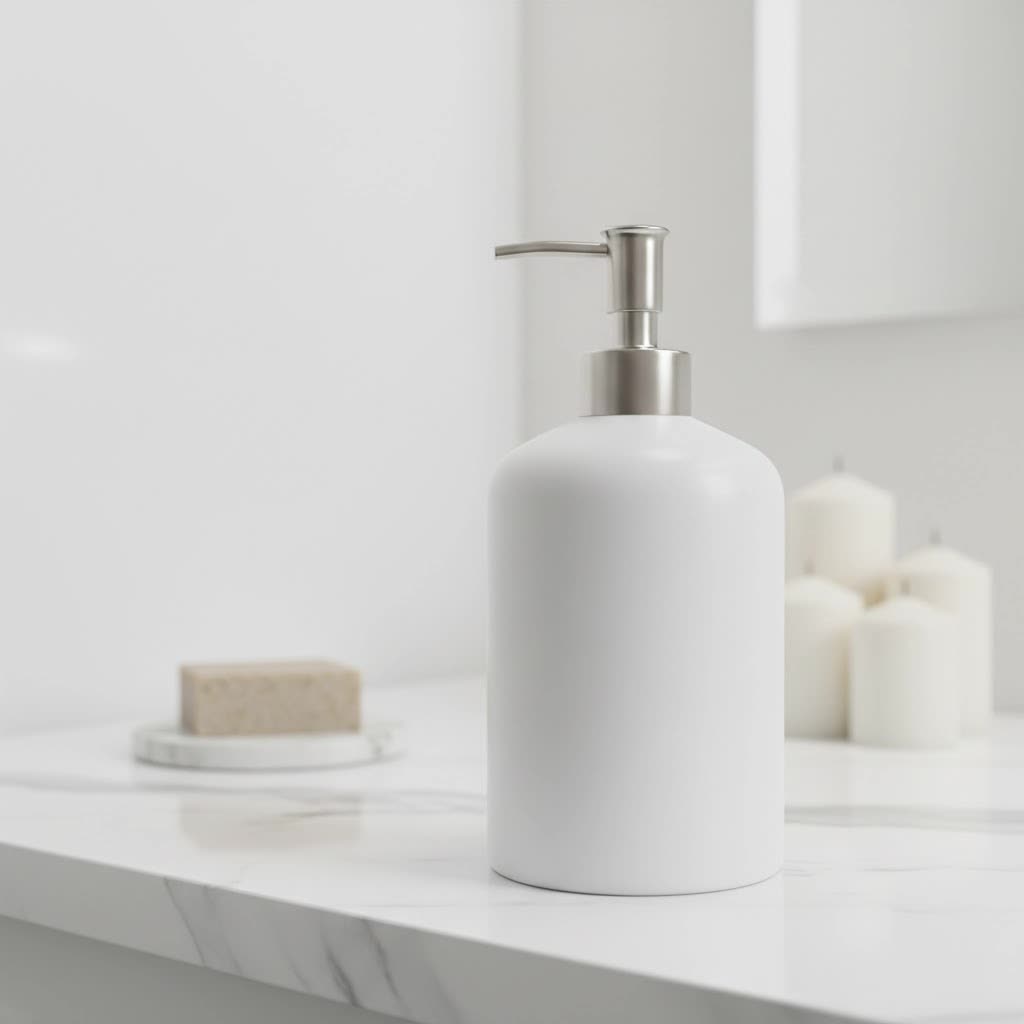
The humble soap dispenser pump, often overlooked, plays a crucial role in maintaining hygiene and adding a touch of style to our daily routines. From kitchens to bathrooms, these devices ensure convenient access to soap, transforming a basic necessity into an effortless experience. Understanding the mechanics, diverse types, and key considerations for selection empowers you to choose the perfect pump that blends functionality with aesthetic appeal, making handwashing more efficient and enjoyable.
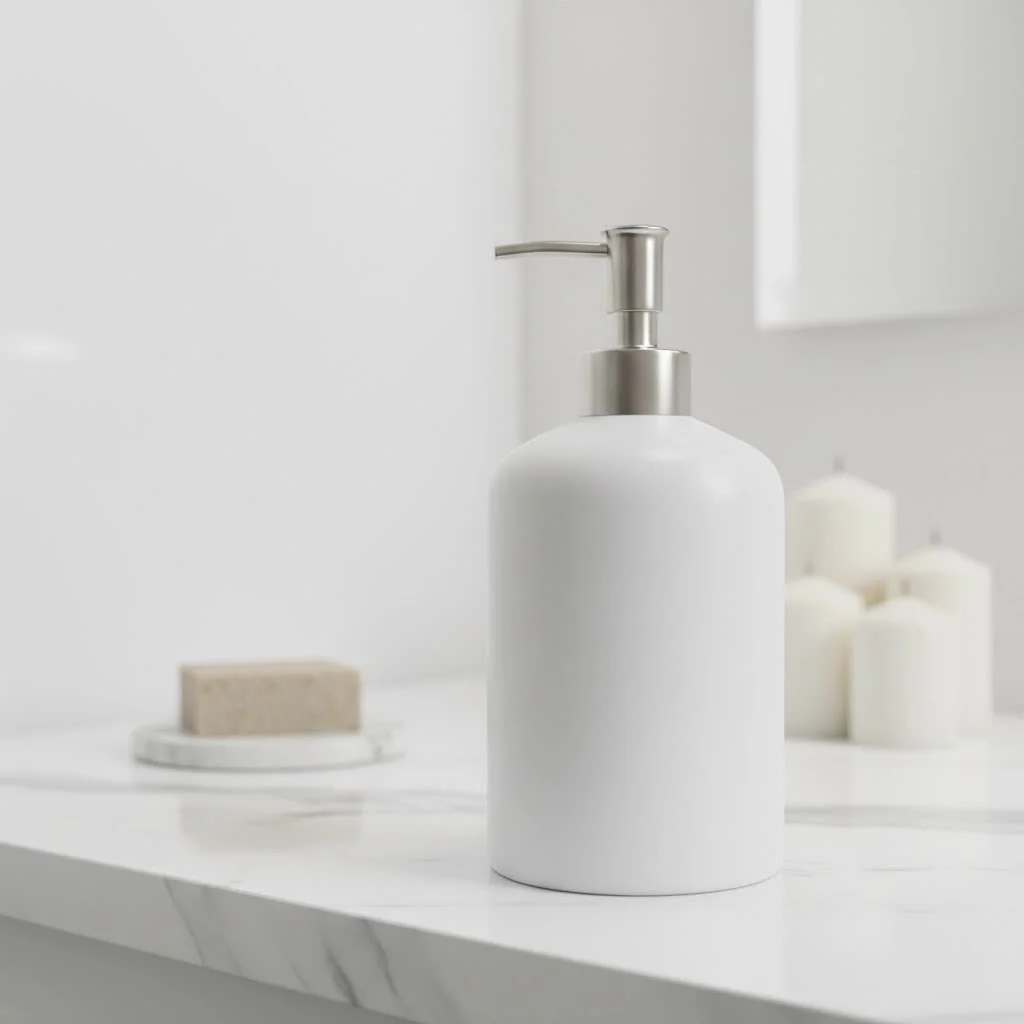
Soap Dispenser: Overview and Evolution
A soap dispenser is a device designed to deliver a controlled amount of soap, significantly enhancing hygiene by preventing cross-contamination often associated with shared bar soaps. Its role has evolved from a simple functional item to a key component of modern interior design, impacting both cleanliness and convenience in residential and commercial settings.
The journey of the soap dispenser began modestly in the early 1800s with hand pump models primarily used in hospitals and public facilities. These early designs often struggled with thick soaps, leading to frequent clogging. A pivotal moment arrived in 1865 when liquid soap was patented, paving the way for more efficient dispensing mechanisms. However, it wasn’t until 1980 that Minnetonka Corporation introduced Softsoap in a modern pump bottle, democratizing liquid soap and making it widely accessible for home use. This innovation quickly transformed hygiene practices, with automatic, touch-free dispensers emerging by 1989, further advancing convenience and germ reduction.
Today, the market offers a diverse range of soap dispenser pumps, catering to various needs and preferences. These include manual push pumps, advanced automatic sensor pumps, and different mounting styles like wall-mounted and countertop units. Each type offers distinct benefits, allowing consumers to select the ideal solution for their specific environment.
Popular Soap Dispenser Pump Types on the Market
Choosing the right soap dispenser pump involves understanding the various types available, each designed with specific applications and user experiences in mind. From traditional manual options to modern automatic systems, the selection is vast, impacting convenience, hygiene, and aesthetic integration into your space.
Manual Soap Dispenser Pumps: Advantages, Disadvantages, and Applications
Manual soap dispenser pumps, operated by a simple push mechanism, are a timeless and reliable choice. They are praised for their straightforward design, which translates to fewer potential points of failure and a longer lifespan. These dispensers are typically cost-effective, easy to refill, and require no power source, making them a budget-friendly and low-maintenance option for any household or low-traffic commercial space. However, they do require physical contact, which some may view as a hygiene drawback in high-traffic areas, and they might dispense an inconsistent amount of soap depending on the pump’s quality and user pressure. They are ideal for homes, small offices, and areas where simplicity and longevity are prioritized.
Automatic Soap Dispenser Pumps: Advantages, Disadvantages, and Applications
|
Our Picks for the Best Soap Dispenser in 2026
As an Amazon Associate I earn from qualifying purchases.
|
||
| Num | Product | Action |
|---|---|---|
| 1 | simplehuman 8 oz. Touch-Free Sensor Liquid Soap Pump Dispenser with Soap Sample, Brushed Nickel |

|
| 2 | OXO Good Grips Soap Dispenser - 10 oz |
|
| 3 | Aunmaon Automatic Soap Dispenser Touchless, Hands-Free, Multi Adjustable Volume, Long Battery Life, Compatible with Thick & Thin Dish/Hand Soap for Bathroom and Kitchen, Easy for Toddlers, Black |
|
| 4 | Clear Soap Dispenser with Rust Proof Pump, Waterproof Labels (2 Pack,16 Oz), Plastic Hand Soap Dish Soap Dispenser for Kitchen Bathroom |
|
| 5 | Automatic Soap Dispenser, Touchless Dish Soap Dispenser 17oz/500ml with Infrared Sensor, 5 Adjustable Soap Levels, Liquid Dispenser for Bathroom Kitchen (Silver) |
|
| 6 | JASAI 2PACK 18 Oz Glass Soap Dispenser with Rust Proof Stainless Steel Pump, Refillable Hand Soap Dispenser with Vertical Stripe, Premium Bathroom soap Dispenser for Kitchen & Bathroom |
|
| 7 | AIKE 15fl.oz Liquid Soap Dispenser for Dish and Hand Soap Matte Black |
|
| 8 | Small Soap Dispenser for Bathroom and Kitchen, Modern Farmhouse Striped Style Plastic Hand Soap Dish Soap Dispenser with Pump Matte Black |
|
| 9 | JASAI 18Oz Green Glass Soap Dispenser with Gold Rust Proof Pump, Refillable Kitchen soap Dispenser for Dish Soap, Soap Dispenser Bathroom for Hand soap, Lotion, Body Wash. |
|
| 10 | OXO Good Grips Stainless Steel Soap Dispenser, Kitchen and Bathroom Accessories |
|
Automatic soap dispenser pumps offer a touch-free handwashing experience, utilizing motion sensors to dispense soap without physical contact. This significantly reduces cross-contamination, making them an excellent choice for environments where hygiene is paramount. Their sleek designs often align with modern aesthetics, and many models feature adjustable volume settings for controlled soap usage. On the downside, automatic dispensers require batteries or regular recharging, adding a maintenance layer, and their electronic components can be more prone to malfunctions than simpler manual systems. They are best suited for high-traffic areas such as hospitals, restaurants, offices, public restrooms, and any home seeking enhanced hygiene and a futuristic appeal.
Wall-Mounted Soap Dispenser Pumps: Advantages, Disadvantages, and Applications
Wall-mounted soap dispenser pumps are affixed directly to a wall, offering significant space-saving benefits and a clutter-free countertop. They contribute to a clean and minimalist aesthetic, making them a popular choice for bathrooms, kitchens, and showers where maximizing space is crucial. These dispensers can be either manual or automatic, and their fixed position ensures stability and reduces the risk of accidental knocks or falls. Installation can be more involved, often requiring drilling, and relocation might not be straightforward. Wall-mounted units are widely used in commercial restrooms, gyms, hotels, and compact residential bathrooms for their practicality and sleek integration.
Countertop Soap Dispenser Pumps: Advantages, Disadvantages, and Applications
Countertop soap dispenser pumps are freestanding units that sit directly on a sink or vanity. Their primary advantage lies in their portability and ease of installation; no mounting is required, allowing for flexible placement and simple rearrangement. They come in a vast array of materials and designs, offering extensive aesthetic customization to match any interior decor. However, they occupy valuable counter space and can be accidentally knocked over, especially in busy environments. Countertop dispensers are a popular choice for residential kitchens and bathrooms, as well as hotel rooms, providing convenient access to soap with a wide range of design options.
Foam versus liquid pump mechanisms also define different dispenser types. Foam pumps create an aerated lather by mixing liquid soap with air, often using less product per pump and creating a rich, satisfying foam. Liquid pumps, in contrast, dispense traditional liquid soap, accommodating a broader range of formulations.
Detailed Comparison of Soap Dispenser Pumps
When choosing a soap dispenser pump, a detailed comparison across key criteria can help narrow down the best option for your specific needs. Understanding the trade-offs between different types in terms of cost, durability, convenience, and aesthetics is essential for an informed decision.
| Feature | Manual Pump | Automatic Pump | Wall-Mounted | Countertop |
|---|---|---|---|---|
| Cost | Low | Medium to High | Medium | Low to Medium |
| Durability | High | Medium | High | Medium |
| Convenience | Standard | High (touchless) | High (space-saving) | High (portable) |
| Aesthetics | Varied | Modern | Sleek, Minimalist | Highly Varied |
| Hygiene | Standard | Superior (touchless) | Enhanced (less clutter) | Standard |
| Maintenance | Low (refilling) | Medium (batteries/recharge, electronics) | Medium (refilling, occasional cleaning) | Low (refilling, cleaning) |
| Installation | None | None (freestanding) | Requires mounting | None |
| Refill | Easy | Easy | Can be more involved | Easy |
| Best For | Budget-conscious, low-traffic | High-traffic, hygiene-focused | Space-saving, minimalist | Versatile, decorative |
This comparison highlights that manual pumps excel in simplicity and durability, while automatic options prioritize hygiene and modern convenience, albeit at a higher cost and maintenance level. Wall-mounted dispensers are ideal for maximizing space and creating a streamlined look, whereas countertop models offer unmatched design variety and flexibility. Your ultimate choice should align with your priorities for hygiene, budget, ease of use, and overall bathroom or kitchen design.
Guide to Choosing the Right Soap Dispenser Pump
Selecting the perfect soap dispenser pump goes beyond mere functionality; it involves a thoughtful assessment of your lifestyle, space, and aesthetic preferences. A well-chosen dispenser can elevate your daily routines, contributing to both hygiene and the overall ambiance of your environment.
Determine Usage Needs
Before diving into the myriad options, first consider who will be using the dispenser, where it will be placed, and how often it will be used. For a busy family bathroom or a commercial setting with numerous users, a robust and hygienic solution like an automatic or high-capacity wall-mounted pump might be ideal to minimize contact and frequent refilling. In contrast, a stylish countertop manual pump might suffice for a guest bathroom or a personal vanity, where usage is lighter and aesthetic appeal is a top priority. The type of soap you intend to use—liquid or foaming—also dictates the pump mechanism required.
Select Material
The material of your soap dispenser pump not only influences its durability but also significantly impacts its visual appeal and how it integrates with your decor.
- Plastic: Lightweight, affordable, and less prone to breakage, making it a practical choice for homes with children. However, lesser quality plastics may degrade over time and can sometimes leach chemicals.
- Stainless Steel: Offers superior performance due to its resistance to corrosion, making it ideal for humid environments like bathrooms. A quality stainless steel pump is highly durable and can outlast many plastic alternatives, providing a sleek, modern touch.
- Ceramic: Adds a touch of elegance and sophistication, often complementing traditional or artistic interiors. While beautiful, ceramic can be fragile and requires careful handling to prevent breakage.
- Glass: A considered choice for sustainability and transparency, allowing you to easily monitor soap levels. Glass is endlessly recyclable and provides a substantial, stable feel, though it is susceptible to breakage if dropped.
Consider Style and Design
The design of your soap dispenser pump should harmonize with your existing interior decor. Modern spaces might benefit from minimalist stainless steel or clear glass designs, while a rustic or traditional setting could be enhanced by ceramic or amber-toned glass. Look for details in the pump head, finish, and overall shape that complement other fixtures and accessories in the room. A well-designed dispenser acts as a subtle yet impactful element of your aesthetic.
Research Brands and Suppliers
Investing in a reputable brand or supplier can ensure you receive a quality product with reliable performance and customer support. Look for brands known for durable pump mechanisms, good material quality, and positive customer feedback. A strong warranty on the pump mechanism can also offer peace of mind, signaling a manufacturer’s confidence in their product’s longevity.
Read Reviews and Compare Prices
Before making a final decision, consult user reviews and compare prices across different retailers. Real-world feedback can offer valuable insights into a product’s performance, common issues, and actual durability. While price is a factor, prioritizing a slightly higher investment in a durable, well-reviewed pump can save you money and frustration in the long run by avoiding frequent replacements. Additionally, consider the capacity of the dispenser; a larger capacity reduces the frequency of refills, a convenience particularly appreciated in busy households or commercial settings. The overall quality of the pump mechanism itself is paramount for smooth, consistent dispensing.
Top 5 Popular Soap Dispenser Pumps Today
While specific product models fluctuate in popularity, certain types and features consistently rank as highly favored by users for their performance, design, and reliability. These top contenders embody the characteristics sought after in modern hygiene solutions.
- High-Quality Stainless Steel Manual Pumps: Praised for their robust construction and resistance to rust, these pumps offer exceptional durability and a sleek, modern aesthetic that fits seamlessly into contemporary kitchens and bathrooms. They are often chosen for their sturdy feel and consistent dispensing.
- Touchless Automatic Sensor Pumps: Valued for their superior hygiene benefits, these hands-free dispensers are a favorite in health-conscious homes and commercial settings. Users appreciate the germ-free operation and the futuristic appeal, often featuring adjustable dispensing volumes.
- Refillable Glass Dispensers with Metal Pumps: Combining eco-friendliness with elegant design, these models are popular among environmentally conscious consumers. The heavyweight glass provides stability, while metal pump heads ensure durability, offering a sophisticated look and reducing plastic waste.
- Integrated Sink-Mounted Pumps: These pumps are built directly into the countertop or sink, providing an extremely clean and integrated look. They are typically made with durable metal components and offer a seamless solution for both hand and dish soap, minimizing clutter around the sink area.
- Foaming Soap Dispenser Pumps: These are highly sought after for their ability to create a rich lather using less soap, making them economical and pleasant to use. Available in both manual and automatic versions, they are a hit with families and anyone who enjoys the luxurious feel of foam soap.
These popular choices reflect a demand for dispensers that are not only functional and hygienic but also durable, aesthetically pleasing, and align with a sustainable lifestyle. The best pumps offer a smooth, consistent experience without clogging or dripping, standing up to daily use with grace.
Proper Use and Maintenance of Your Soap Dispenser Pump
Ensuring the longevity and optimal performance of your soap dispenser pump requires adhering to a few simple usage guidelines and committing to regular maintenance. These practices will prevent common issues like clogs, drips, and premature wear, keeping your dispenser working smoothly for years.
To use your soap dispenser pump effectively, always ensure it is filled with the appropriate type of soap for its mechanism—liquid soap for standard pumps and specially formulated foam soap (or diluted liquid soap) for foaming dispensers. Avoid overfilling the reservoir to prevent spills and make refilling easier. When dispensing, a firm, even press on the actuator typically provides the desired amount of soap, preventing sputtering or excessive output.
Regular cleaning is crucial for maintaining your dispenser’s functionality. Soap residue, especially from concentrated or glycerin-based products, can build up and cause clogs, particularly in the nozzle and dip tube. It is recommended to flush your pump periodically, ideally with each refill. To do this, remove the pump from the bottle, rinse it thoroughly under warm water, and pump warm water through the mechanism several times. For stubborn clogs, a mixture of warm water and white vinegar can be effective. Some experts also suggest occasionally pumping a small amount of olive or vegetable oil through the mechanism to lubricate internal components and prevent stiffness. Wipe the exterior of the pump and the neck of the bottle with a soft, damp cloth to remove any accumulated soap or watermarks, which can cause corrosion on metal parts. Never soak or submerge the entire pump in water, as this can damage internal springs or electronic components in automatic models. Diluting very thick liquid soaps with a small amount of distilled water can also help prevent clogging and ensure a smoother dispensing experience. By following these simple maintenance tips, your soap dispenser pump will remain a reliable and hygienic fixture in your home.
Conclusion
The soap dispenser pump, a seemingly minor household item, holds significant importance in our daily lives, blending functionality with aesthetic appeal to enhance hygiene and convenience. From its early origins to today’s diverse array of manual and automatic options, these devices have continuously evolved to meet modern demands for cleanliness and design. Thoughtful selection, considering factors like usage needs, materials, and style, ensures a product that not only performs reliably but also complements your living space.
By understanding the mechanics and committing to simple maintenance, you can ensure your soap dispenser pump remains a dependable tool for handwashing, contributing to a healthier and more organized environment. Choosing wisely means investing in a durable solution that enriches your daily routine and aligns with a conscious lifestyle. What improvements could further revolutionize the future of soap dispenser pump technology?
Frequently Asked Questions
How do I fix a clogged soap dispenser pump?
To fix a clogged soap dispenser pump, first check the nozzle for any visible soap residue and clear it with a small pin. Next, remove the pump, rinse it with warm water, and pump warm water through it several times. For stubborn clogs, pump a mixture of warm water and white vinegar through the mechanism to dissolve buildup.
What are the main components of a soap dispenser pump?
A typical soap dispenser pump consists of several key components: the actuator (the part you press), the housing (the main body containing the mechanism), the dip tube (which draws soap from the reservoir), and internal parts such as a piston, spring, and ball valve, all working together to create suction and dispense soap.
Can I use any liquid soap in a foaming soap dispenser pump?
Generally, you cannot use regular liquid soap directly in a foaming soap dispenser pump. Foaming dispensers require either specialized foaming soap or a diluted solution, typically one part liquid soap to three parts water. Using undiluted liquid soap can clog the foaming mechanism and prevent proper function.
Cooking gear we tested in our own kitchens
Free PDF — preheat times measured on 10 popular air fryers.
