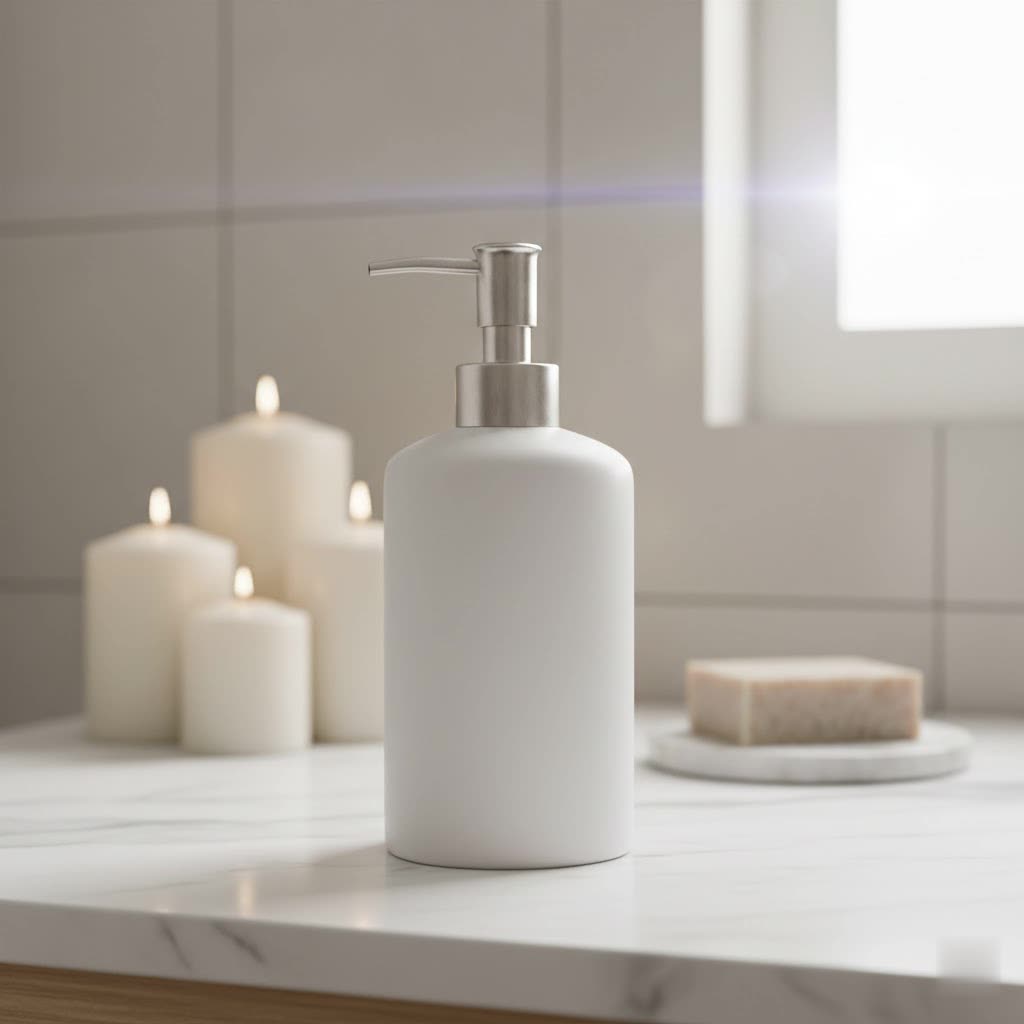
The kitchen, often considered the heart of the home, is a hub of activity. From cooking to cleaning, it demands both functionality and aesthetic appeal. A small yet significant detail that can greatly impact both is the humble kitchen soap dispenser. Beyond simply holding dish soap, these dispensers offer convenience, hygiene, and a touch of style, transforming cluttered countertops into organized, elegant spaces. Choosing the right kitchen soap dispenser can streamline your daily routines and enhance your kitchen’s overall design, making every wash-up a more pleasant experience. This guide will walk you through everything you need to know to select the ideal dispenser for your culinary sanctuary.
Kitchen Soap Dispensers: An Overview and Evolution
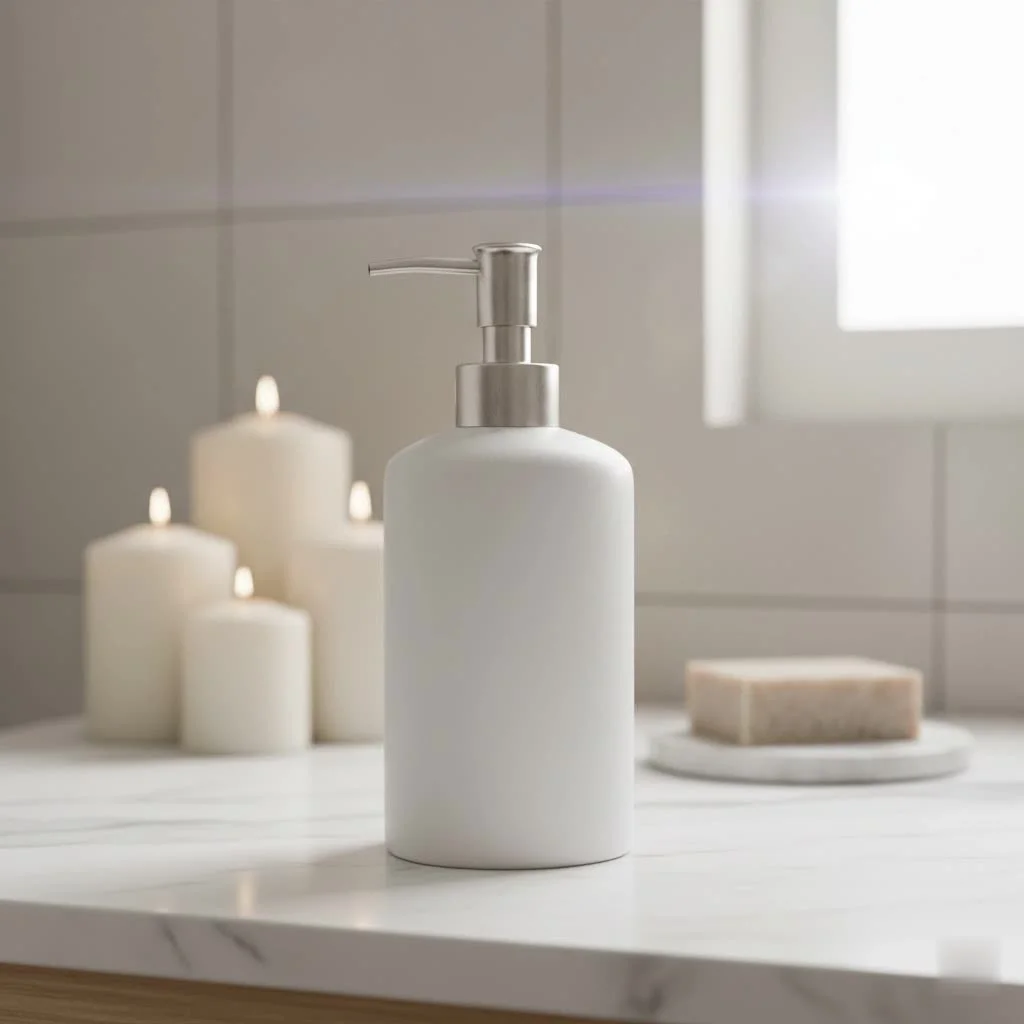
A kitchen soap dispenser is far more than just a functional item; it’s a design element that marries practicality with style. Its primary role is to provide easy, mess-free access to hand or dish soap, eliminating unsightly plastic bottles that often clutter the sink area. Over the years, kitchen soap dispensers have evolved from basic, utilitarian containers into sophisticated devices featuring advanced mechanisms and diverse designs. For explore our home reviews on this site.
Initially, kitchens relied on conventional soap bottles or bar soap. However, the demand for better hygiene and a more streamlined appearance led to the development of dedicated dispensers. Early versions were typically manual pump bottles, offering a simple and reliable way to dispense soap. As technology advanced and design aesthetics became more important in home decor, innovations like automatic, touchless models emerged, prioritizing hygiene and convenience. Concurrently, built-in and wall-mounted options gained popularity for their ability to free up valuable counter space and provide a seamless look. Today, the market offers a vast array of kitchen soap dispensers, catering to every need, style, and budget, ensuring that this everyday necessity can also be a statement of refined taste.
Popular Kitchen Soap Dispenser Types on the Market
The world of kitchen soap dispensers offers a diverse range of options, each designed to meet specific needs and preferences. Understanding the common types available will help you determine which one best suits your kitchen’s layout and your daily routine.
Manual Soap Dispensers
Manual soap dispensers are the most traditional and widely recognized type, requiring a physical push or pump action to dispense soap. These dispensers are typically self-contained units that sit on the countertop.
- Advantages: They are generally more affordable and require no power source, making them highly reliable and low-maintenance. Their straightforward design means fewer parts that can malfunction. Manual dispensers come in a vast array of styles, materials, and colors, easily matching any kitchen decor.
- Disadvantages: Requires direct hand contact, which can transfer germs. If hands are slippery, pressing the pump can sometimes cause the dispenser to move or tip, leading to minor messes.
- Applications: Ideal for homes seeking a simple, cost-effective solution without the need for complex features. They are versatile for both hand soap and dish soap.
Automatic Soap Dispensers
|
Our Picks for the Best Soap Dispenser in 2026
As an Amazon Associate I earn from qualifying purchases.
|
||
| Num | Product | Action |
|---|---|---|
| 1 | JASAI 2PACK 18 Oz Glass Soap Dispenser with Rust Proof Stainless Steel Pump, Refillable Hand Soap Dispenser with Vertical Stripe, Premium Bathroom soap Dispenser for Kitchen & Bathroom |

|
| 2 | Automatic Soap Dispenser, Touchless Dish Soap Dispenser 17oz/500ml with Infrared Sensor, 5 Adjustable Soap Levels, Liquid Dispenser for Bathroom Kitchen (Silver) |
|
| 3 | Aunmaon Automatic Soap Dispenser Touchless, Hands-Free, Multi Adjustable Volume, Long Battery Life, Compatible with Thick & Thin Dish/Hand Soap for Bathroom and Kitchen, Easy for Toddlers, Black |
|
| 4 | Small Soap Dispenser for Bathroom and Kitchen, Modern Farmhouse Striped Style Plastic Hand Soap Dish Soap Dispenser with Pump Matte Black |
|
| 5 | OXO Good Grips Soap Dispenser - 10 oz |
|
| 6 | JASAI 18Oz Green Glass Soap Dispenser with Gold Rust Proof Pump, Refillable Kitchen soap Dispenser for Dish Soap, Soap Dispenser Bathroom for Hand soap, Lotion, Body Wash. |
|
| 7 | Clear Soap Dispenser with Rust Proof Pump, Waterproof Labels (2 Pack,16 Oz), Plastic Hand Soap Dish Soap Dispenser for Kitchen Bathroom |
|
| 8 | OXO Good Grips Stainless Steel Soap Dispenser, Kitchen and Bathroom Accessories |
|
| 9 | simplehuman 8 oz. Touch-Free Sensor Liquid Soap Pump Dispenser with Soap Sample, Brushed Nickel |
|
| 10 | AIKE 15fl.oz Liquid Soap Dispenser for Dish and Hand Soap Matte Black |
|
Automatic, or touchless, soap dispensers utilize motion sensors to detect hands, dispensing a predetermined amount of soap without any physical contact. This technology enhances hygiene by minimizing cross-contamination.
- Advantages: The primary benefit is superior hygiene, making them an excellent choice for germ-conscious households. They also help reduce soap waste by dispensing a consistent, controlled amount. Their sleek, modern appearance can add a high-tech touch to your kitchen.
- Disadvantages: Typically more expensive than manual models. They require batteries or a power source, meaning periodic battery replacement or recharging. Sensors can sometimes be overly sensitive or unresponsive, and some users find them to have a “clinical” aesthetic that may not suit all kitchen styles.
- Applications: Perfect for busy kitchens, families with young children, or anyone prioritizing hands-free cleanliness and a modern aesthetic.
Wall-Mounted Soap Dispensers
Wall-mounted soap dispensers are fixed directly to the wall, typically above or beside the sink. This design choice is celebrated for its space-saving benefits.
- Advantages: Significantly frees up countertop space, which is invaluable in smaller kitchens or those striving for a minimalist look. They keep the sink area tidy and make cleaning countertops much easier. Once installed, they offer a consistent, secure dispensing point.
- Disadvantages: Installation can be more involved, often requiring drilling into walls, making them a more permanent fixture. They lack portability, and their capacity might be limited compared to larger countertop or built-in options.
- Applications: Excellent for compact kitchens, commercial kitchens, or homeowners who prefer a clean, uncluttered, and modern aesthetic.
Deck-Mounted (Built-in) Soap Dispensers
Deck-mounted, or built-in, soap dispensers are integrated directly into the kitchen sink or countertop. The pump head and spout are visible above the surface, while the soap reservoir remains hidden beneath the sink.
- Advantages: Offers an incredibly integrated and seamless look, decluttering the countertop by keeping the soap bottle out of sight. Many models feature top-fill designs, allowing for easy refills without crawling under the sink. These often connect to large soap bottles, reducing refill frequency.
- Disadvantages: Requires a pre-drilled hole in the sink or countertop, or the ability to drill one, making installation more complex than a simple countertop unit. Once installed, their position is permanent.
- Applications: Ideal for new kitchen installations or remodels, or for those desiring a high-end, custom look with maximum counter space and minimal visual clutter.
A Detailed Comparison of Kitchen Soap Dispenser Types
Choosing the right kitchen soap dispenser involves weighing various factors. Here’s a comparison table to help you assess the key differences between the most common types:
| Feature | Manual (Countertop) | Automatic (Countertop) | Wall-Mounted | Deck-Mounted (Built-in) |
|---|---|---|---|---|
| Price | Low to Moderate | Moderate to High | Moderate | Moderate to High |
| Durability | Good (depends on material & pump) | Moderate (electronics, batteries) | Good (fixed securely) | Excellent (robust construction, hidden) |
| Convenience | Easy to use, portable | Touchless, consistent dispense | Frees up counter, fixed access | Seamless access, large capacity |
| Aesthetics | Wide variety, can complement decor | Modern, high-tech | Sleek, minimalist | Integrated, custom look |
| Space-Saving | Occupies counter space | Occupies counter space (small footprint) | Excellent (clears counter) | Excellent (clears counter) |
| Hygiene | Requires direct contact | Touchless (high hygiene) | Requires direct contact | Requires direct contact |
| Installation | None (just place on counter) | None (just place on counter) | Requires drilling | Requires sink/counter hole, under-sink work |
| Refilling | Easy, remove top | Easy, wide opening reservoir | Can be tricky, requires reaching | Often top-fill, connects to large bottle |
Guide to Choosing the Right Kitchen Soap Dispenser
Selecting the perfect kitchen soap dispenser goes beyond just picking one that looks good. It involves a careful consideration of your lifestyle, kitchen design, and practical needs.
Determine Usage Needs
Start by thinking about how you use soap in your kitchen.
- Frequency: If you wash dishes or hands constantly, a large-capacity dispenser or a built-in model with a direct connection to a bulk soap bottle might be best to minimize refills.
- Users: For a busy family, an automatic dispenser can prevent the spread of germs, while a robust manual or built-in unit can withstand frequent use.
- Type of Soap: Do you need it primarily for dish soap, hand soap, or both? Some dispensers are designed with dual chambers or specialized pumps (e.g., foaming).
Material Selection
The material not only influences the dispenser’s look but also its durability and maintenance requirements.
- Glass: Offers an elegant, classic, and eco-friendly appeal. Its transparency allows you to easily see soap levels. Glass is heavy and stable, but susceptible to breakage if dropped.
- Stainless Steel: Provides a sleek, modern, and industrial look. It’s highly durable, rust-resistant, and easy to clean, making it a popular choice for kitchens. Be aware that some stainless steel finishes can show fingerprints and watermarks.
- Ceramic: Often chosen for its decorative potential, ceramic dispensers come in various colors and textures, fitting traditional, rustic, or farmhouse aesthetics. They are durable but can chip or break if mishandled.
- Plastic: The most affordable and lightweight option, plastic dispensers (especially ABS plastic) are durable against impacts and chemicals, making them suitable for households with children. However, they may not offer the same high-end feel as other materials and can degrade over time.
Consider Style and Design
Your kitchen soap dispenser should complement your existing decor, not clash with it.
- Modern/Minimalist: Look for sleek lines, neutral colors, and materials like stainless steel or matte black finishes. Automatic or built-in dispensers often fit this style well.
- Farmhouse/Rustic: Opt for ceramic, clear glass, or dispensers with distressed metal accents. Mason jar-style dispensers are particularly popular here.
- Traditional: Dispensers with ornate details, brass finishes, or classic ceramic designs can enhance a traditional kitchen.
- Functionality: Beyond aesthetics, consider the pump mechanism’s ease of use, the spout length for reaching into a sink, and the stability of the base for countertop models.
Research Brands and Suppliers
Investing in a quality dispenser from a reputable brand can save you hassle in the long run. Look for brands known for their durable products and reliable pump mechanisms. Many brands offer warranties on their dispensers, especially on the pump, which is often the first component to wear out. Check for readily available replacement parts, especially for built-in models.
Read Reviews and Compare Prices
Before making a final decision, always read customer reviews to get real-world insights into a dispenser’s performance, durability, and any common issues. Compare prices across different retailers to ensure you’re getting the best value. Remember that a higher price often correlates with better materials, superior craftsmanship, and longer-lasting performance.
Top 5 Kitchen Soap Dispensers Popular Today
Based on their blend of functionality, durability, and style, several kitchen soap dispensers consistently receive high praise. While specific models may vary, these types and brands are often at the forefront:
- OXO Good Grips Stainless Steel Soap Dispenser: This manual pump dispenser is celebrated for its sturdy stainless steel construction and robust pump mechanism. It features a non-slip base and a clear window to monitor soap levels. Its durable design makes it a workhorse for the busy kitchen sink, handling both hand and dish soap with ease.
- Simplehuman Sensor Pump: As a leader in automatic dispensers, Simplehuman offers models with precise, touchless dispensing. Key features include a transparent soap reservoir for easy monitoring, a wide opening for mess-free refills, and a compact footprint that saves counter space. They are known for their reliable sensors and sleek, modern aesthetics.
- Moen Deck-Mounted Soap Dispenser: For those preferring an integrated look, Moen’s built-in dispensers are a top choice. Available in various finishes to match Moen faucets, they often feature a long spout that prevents messes and are designed for easy top-fill access, making refills quick and clean without going under the sink.
- Jasai Diamond Design Glass Soap Dispenser: If aesthetics are a priority on a budget, decorative glass dispensers like those with a diamond design are popular. These manual countertop dispensers add a touch of elegance and vintage charm. They are often refillable and allow users to customize their soap with attractive labels.
- Secura Automatic Liquid Soap Dispenser: This automatic dispenser offers a balance of affordability and functionality. It often features adjustable soap volume settings, a clear container, and a touchless operation that promotes hygiene. Its practical design makes it a good entry-level option for those wanting to try an automatic dispenser in the kitchen.
Proper Use and Maintenance for Your Kitchen Soap Dispenser
To ensure your kitchen soap dispenser remains hygienic, functional, and aesthetically pleasing for years to come, proper use and regular maintenance are essential.
Using Your Dispenser Safely and Effectively:
- Filling: For countertop models, simply unscrew the pump head and pour soap into the reservoir. For built-in (deck-mounted) dispensers, many modern designs are “top-fill.” This means you can lift the pump head and pour soap directly into the opening from above the counter, eliminating the need to crawl under the sink. If your model is not top-fill, you will need to access the bottle from underneath to unscrew and refill it.
- Soap Compatibility: Always use liquid hand soap or dish soap. Avoid harsh or abrasive soaps containing bleach or acidic cleaners, as these can damage the dispenser’s internal components or finish. If your soap is very thick, you might consider diluting it slightly with water (e.g., a 70% soap to 30% water ratio) to ensure a smoother pump action and prevent clogging.
- Pumping: For manual dispensers, a gentle, consistent press will yield the desired amount. For automatic dispensers, simply place your hand under the sensor.
Maintaining Your Dispenser for Longevity:
- Regular Cleaning: Make cleaning your soap dispenser a part of your regular kitchen cleaning routine. Wipe down the exterior of the dispenser with a soft, damp cloth and a mild soap solution (or just water). This prevents soap residue buildup, water spots, and fingerprints, especially on stainless steel finishes. Dry with a clean, soft cloth to maintain its shine.
- Avoid Harsh Cleaners: Never use abrasive sponges, scouring pads, or harsh chemical cleaners (like bleach-based products) on your dispenser, as these can scratch the surface or corrode the finish.
- Preventing Clogs: Over time, soap residue can build up in the pump mechanism, leading to clogs or reduced performance. If your dispenser starts to pump slowly or inconsistently, remove all the soap and fill the reservoir with hot water. Pump the hot water through the dispenser until it runs clear. This can dissolve internal clogs.
- Check Components: Periodically inspect the pump head, O-rings, and any visible tubing for wear and tear. A well-maintained pump will provide smooth operation and prevent leaks.
- Battery Replacement (for Automatic Dispensers): For automatic models, ensure you replace batteries promptly when performance declines to avoid corrosion or sensor issues.
By following these simple steps, you can keep your kitchen soap dispenser in optimal condition, providing convenient soap access and contributing to a cleaner, more organized kitchen environment.
Conclusion
Choosing the right kitchen soap dispenser is a small decision that yields significant benefits, enhancing both the functionality and aesthetics of your culinary space. From the timeless reliability of manual pumps to the cutting-edge hygiene of automatic sensors, and the space-saving elegance of built-in and wall-mounted designs, there’s a perfect solution for every home. Considering factors like material, capacity, and how well it integrates with your kitchen’s style will ensure you find a dispenser that not only meets your practical needs but also elevates your daily routine.
A well-chosen and properly maintained kitchen soap dispenser keeps your countertops clutter-free, promotes better hygiene, and adds a touch of sophistication to the heart of your home. It’s an investment in efficiency and elegance that pays dividends every time you reach for soap. So, why settle for an ordinary soap bottle when you can upgrade to a dispenser that truly complements your kitchen and simplifies your life?
Frequently Asked Questions
How do I refill a built-in kitchen soap dispenser?
Many modern built-in kitchen soap dispensers are designed for top-fill access. Simply lift the pump head straight up from the counter, pour liquid soap into the exposed opening, and then reinsert the pump head. This convenient design eliminates the need to reach under your sink for refills.
Can I use any type of liquid soap in my kitchen dispenser?
While most liquid hand soaps and dish soaps are compatible, it’s best to avoid very thick soaps, or those containing exfoliants, harsh chemicals, or bleach. Thick soaps can clog the pump, and harsh ingredients might corrode internal components or damage the dispenser’s finish. Diluting thick soap with a little water can help.
How often should I clean my kitchen soap dispenser?
For optimal hygiene and appearance, aim to wipe down the exterior of your kitchen soap dispenser daily or every few days with a damp cloth. A more thorough cleaning, including flushing the pump mechanism with hot water to prevent clogs, is recommended monthly or whenever you refill the dispenser.
Are automatic kitchen soap dispensers worth the investment?
Automatic kitchen soap dispensers offer enhanced hygiene through touchless operation, reducing germ spread. They also help control soap usage, minimizing waste. While they typically cost more and require batteries, many users find the added convenience and cleanliness benefits well worth the investment, especially in busy kitchens.
What’s the best material for a kitchen soap dispenser?
The best material depends on your priorities. Stainless steel offers modern durability and rust resistance, glass provides elegance and eco-friendliness, while plastic is affordable and impact-resistant. Consider your kitchen’s style, how often the dispenser will be used, and whether you prefer durability over a high-end aesthetic.
Cooking gear we tested in our own kitchens
Free PDF — preheat times measured on 10 popular air fryers.
