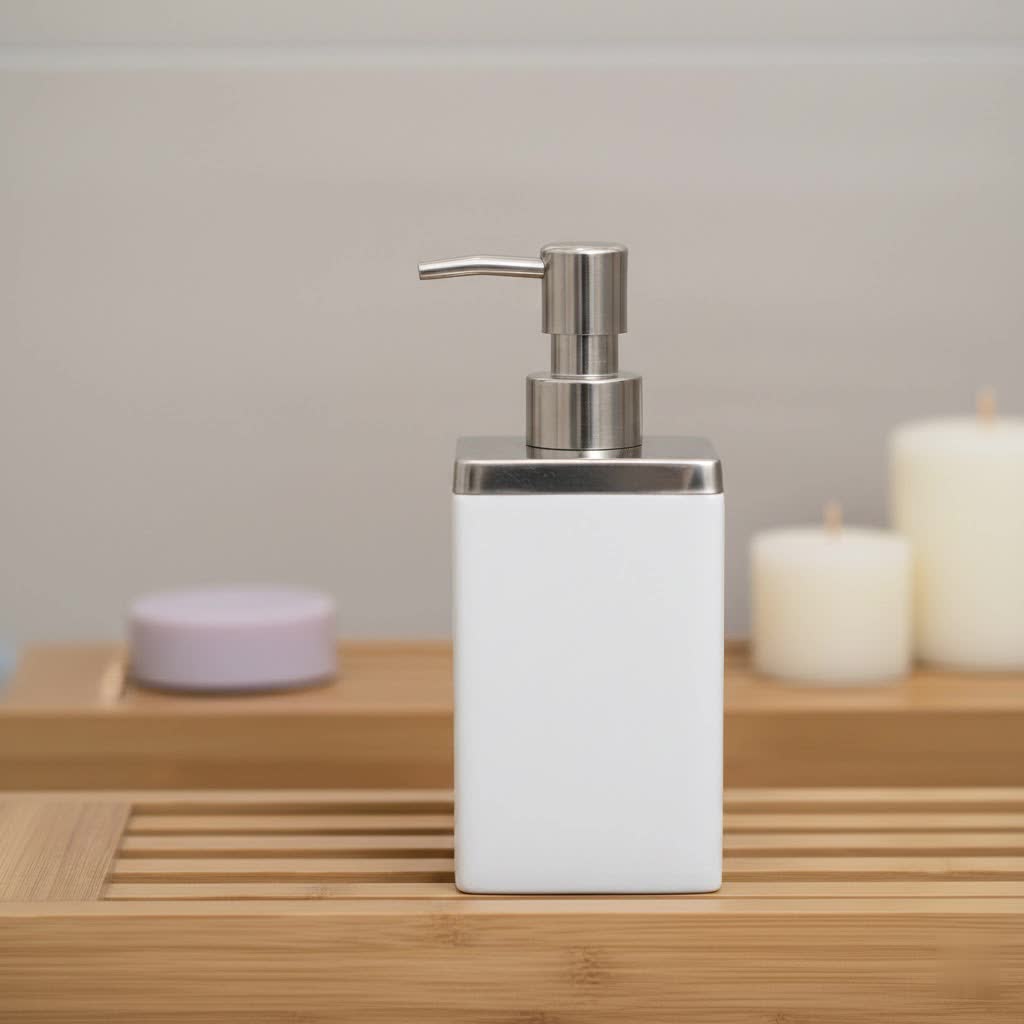
Are you tired of messy bar soaps or flimsy plastic bottles cluttering your sink? The humble soap dispenser pump, often an overlooked household item, plays a pivotal role in maintaining hygiene, enhancing convenience, and elevating the aesthetics of your kitchen or bathroom. Far more than just a container for liquid soap, a well-chosen dispenser can transform your daily handwashing routine into a seamless and stylish experience. But with a myriad of options available—from manual to automatic, and sleek designs to robust materials—how do you choose the perfect one for your needs?
This comprehensive guide will delve into everything you need to know about soap dispenser pumps, from their fascinating history and intricate mechanisms to the diverse types, essential buying considerations, and crucial maintenance tips. Join us as we explore the world of soap dispenser pumps to help you find the optimal solution for your home. For explore our home reviews on this site.
The Essential Role and Evolution of Soap Dispenser Pumps
Soap dispenser pumps have become an indispensable part of modern hygiene, providing a clean and efficient way to access liquid or foam soap. Their widespread adoption is a testament to their practicality and ability to reduce mess and potential cross-contamination compared to traditional bar soap.
The journey of the soap dispenser began in the early 1800s with the creation of basic hand pump dispensers, initially used in hospitals for sanitary purposes. These early models often struggled with thick soap formulations, leading to frequent clogging. A significant breakthrough came in 1865 when William Quick patented liquid soap, making it more compatible with pump mechanisms. However, it wasn’t until 1980 that soap dispensers truly entered the domestic market, thanks to Minnetonka Corporation introducing liquid soap hand pumps for home use. The innovation continued, and by 1989, Guey-Chuan Shiau patented the first automatic soap dispenser, paving the way for touch-free hygiene solutions we see today.
At its core, a soap dispenser pump operates on a simple yet ingenious mechanism. When the actuator (the pump head) is pressed down, a piston inside the dispenser moves, creating pressure while simultaneously generating a vacuum within a chamber. This vacuum, coupled with air suction, draws soap upwards through a dip tube from the container. Upon release, a spring returns the piston to its original position, and a valve seals, forcing the collected soap out through the nozzle. This precise interplay of components ensures an accurate and consistent amount of soap is dispensed with each use, defying gravity to provide easy access to hygiene.
Exploring Popular Types of Soap Dispenser Pumps
The market offers a wide array of soap dispenser pumps, each designed to cater to different preferences, environments, and functional needs. Understanding these variations is key to making an informed choice.
Manual Soap Dispenser Pumps
|
Our Picks for the Best Soap Dispenser in 2026
As an Amazon Associate I earn from qualifying purchases.
|
||
| Num | Product | Action |
|---|---|---|
| 1 | JASAI 2PACK 18 Oz Glass Soap Dispenser with Rust Proof Stainless Steel Pump, Refillable Hand Soap Dispenser with Vertical Stripe, Premium Bathroom soap Dispenser for Kitchen & Bathroom |

|
| 2 | Automatic Soap Dispenser, Touchless Dish Soap Dispenser 17oz/500ml with Infrared Sensor, 5 Adjustable Soap Levels, Liquid Dispenser for Bathroom Kitchen (Silver) |
|
| 3 | Small Soap Dispenser for Bathroom and Kitchen, Modern Farmhouse Striped Style Plastic Hand Soap Dish Soap Dispenser with Pump Matte Black |
|
| 4 | OXO Good Grips Stainless Steel Soap Dispenser, Kitchen and Bathroom Accessories |
|
| 5 | AIKE 15fl.oz Liquid Soap Dispenser for Dish and Hand Soap Matte Black |
|
| 6 | Aunmaon Automatic Soap Dispenser Touchless, Hands-Free, Multi Adjustable Volume, Long Battery Life, Compatible with Thick & Thin Dish/Hand Soap for Bathroom and Kitchen, Easy for Toddlers, Black |
|
| 7 | OXO Good Grips Soap Dispenser - 10 oz |
|
| 8 | simplehuman 8 oz. Touch-Free Sensor Liquid Soap Pump Dispenser with Soap Sample, Brushed Nickel |
|
| 9 | Clear Soap Dispenser with Rust Proof Pump, Waterproof Labels (2 Pack,16 Oz), Plastic Hand Soap Dish Soap Dispenser for Kitchen Bathroom |
|
| 10 | JASAI 18Oz Green Glass Soap Dispenser with Gold Rust Proof Pump, Refillable Kitchen soap Dispenser for Dish Soap, Soap Dispenser Bathroom for Hand soap, Lotion, Body Wash. |
|
Manual soap dispenser pumps are the most traditional and widely recognized type. They require a physical press on the pump head to dispense soap. Their appeal lies in their simplicity and reliability, with fewer moving parts leading to a longer lifespan and less potential for malfunction compared to electronic alternatives. They are often a cost-effective choice and come in countless designs, making them versatile for any decor. Manual pumps accommodate most liquid soaps, offering maximum flexibility in product choice.
Automatic Soap Dispenser Pumps
Automatic or touch-free soap dispenser pumps represent the pinnacle of modern hygiene and convenience. These devices utilize motion sensors, often infrared technology, to detect hands placed underneath and dispense a pre-set amount of soap without any physical contact. This touchless operation is highly valued for reducing cross-contamination, making them ideal for high-traffic areas, public restrooms, and homes where hygiene is a top priority. Automatic dispensers are typically battery-powered or rechargeable and often feature adjustable volume settings.
Wall-Mounted vs. Countertop Dispenser Pumps
The installation method also defines different types of soap dispenser pumps:
- Countertop dispensers are portable and offer flexibility, allowing you to position them wherever needed—next to the kitchen sink, on a bathroom vanity, or even on a bedside table. They come in various sizes and materials, easily becoming part of your decor.
- Wall-mounted dispensers are affixed directly to a wall, freeing up valuable countertop space. This creates a clean, minimalist aesthetic and is particularly beneficial in smaller bathrooms or commercial settings where maximizing surface area and preventing clutter are priorities. They offer a secure, stable dispensing solution, often seen in showers for body wash or shampoo.
Liquid vs. Foaming Soap Dispenser Pumps
The type of soap a dispenser is designed for significantly impacts its mechanism and user experience:
- Liquid soap dispenser pumps are the most common, designed to dispense traditional liquid hand soap, dish soap, or lotion directly. They accommodate a broad range of natural formulations, providing ample freedom in choosing your preferred soap.
- Foaming soap dispenser pumps are specially engineered to mix liquid soap with air as it’s dispensed, creating a rich, aerated lather. This process often uses less soap per pump, making them a genuine money-saver and a more economical choice in the long run. Foaming dispensers typically require either specially formulated foaming soap or a carefully mixed solution, often a ratio of one part liquid soap to three or four parts water.
Detailed Comparison: Manual, Automatic, and Foaming Dispenser Pumps
Choosing between the primary types of soap dispenser pumps often comes down to a balance of convenience, hygiene, cost, and personal preference. Here’s a comparative look to help you decide:
| Feature | Manual Hand Pump Dispenser | Automatic (Touch-Free) Dispenser | Foaming Soap Dispenser |
|---|---|---|---|
| Hygiene | Requires physical contact, potential for cross-contamination | Touch-free, significantly reduces germ spread | Can be manual or automatic, often perceived as cleaner due to foam |
| Convenience | Straightforward, no power needed | Effortless, hands-free operation | Creates lather instantly, often uses less soap per wash |
| Cost | Generally the most affordable | Higher initial cost (sensors, batteries/rechargeable) | Can be slightly more expensive than basic liquid manual, but saves on soap |
| Durability | Very durable, fewer parts to break | Electronic components can be prone to issues, battery life | Durable, especially manual foaming pumps |
| Maintenance | Easy to refill and clean, no battery concerns | Requires battery changes/recharging, sensor cleaning | Requires specific soap or dilution, may clog if ratios are off |
| Aesthetics | Wide variety of designs, from classic to modern | Often sleek, modern, and minimalist | Range of designs, usually clear reservoirs to show foam |
| Soap Type | Most liquid soaps | Most liquid soaps (check viscosity) | Foaming soap specifically or diluted liquid soap |
Your Guide to Choosing the Right Soap Dispenser Pump
Selecting the perfect soap dispenser pump involves more than just picking a pretty design. It requires considering your lifestyle, the specific needs of your space, and practical factors that impact performance and longevity.
Assess Your Needs
Start by evaluating where and how the dispenser will be used.
- Location: Is it for a high-traffic kitchen, a guest bathroom, or a child’s sink?
- Frequency: Daily use in a busy family kitchen might warrant a durable, high-capacity model, while a guest bathroom might prioritize aesthetics.
- Users: Households with young children might benefit from durable, possibly plastic, or touch-free options.
- Space: Limited countertop space might lead you to consider wall-mounted solutions.
Material Matters
The material of your soap dispenser pump significantly influences its durability, aesthetics, and environmental impact.
- Glass Dispensers: Represent a highly considered choice for many homes. Their transparency allows you to see when refills are needed, encouraging mindful consumption. Glass is endlessly recyclable without degradation, offering a sustainable alternative to plastic. The weight of glass also provides remarkable stability, keeping the dispenser steadfast on surfaces and conveying a sense of permanence and quality.
- Stainless Steel: For the pump mechanism itself, stainless steel offers superior performance and corrosion resistance, making it ideal for humid environments like bathrooms. A quality stainless steel pump will generally outlast plastic alternatives many times over, aligning function with modern beauty.
- Plastic Dispensers: Are often the most budget-friendly and are practical for households with young children due to their shatter-proof nature. However, it’s crucial to choose food-safe plastics to avoid potential leaching of microplastics or unwanted chemicals into your soap. Plastic dispensers generally have a shorter lifespan than glass or stainless steel and can distort over time with repeated squeezing.
Design and Aesthetics
A soap dispenser pump isn’t just a functional item; it’s also a part of your interior decor. Consider the overall style of your kitchen or bathroom. Do you prefer a minimalist look, a rustic charm, or a contemporary flair? Dispensers come in various shapes, colors, and finishes (e.g., brushed nickel, chrome, matte black) that can complement or contrast with your existing fixtures and decor.
Pump Quality and Brand Reputation
The quality of the pump mechanism itself is paramount. A smooth, reliable pump transforms handwashing from a potential source of frustration into effortless grace. Look for brands known for their durability and customer satisfaction. Reading reviews from other users can provide valuable insights into the long-term performance and common issues of specific models. Many reputable brands offer warranties on their dispenser pumps, providing peace of mind.
Top 5 Recommended Soap Dispenser Pumps for Every Home
Based on popularity, innovation, and user satisfaction, here are some top choices that cater to diverse needs:
- Automatic Sensor Pumps (e.g., Simplehuman Sensor Pump): These touch-free marvels are consistently praised for their hygienic operation and sleek, modern designs. Many offer adjustable volume settings and drip-free spouts, making them perfect for busy kitchens and bathrooms.
- Durable Stainless Steel Manual Pumps (e.g., OXO Good Grips Stainless Steel Soap Dispenser): Known for their robust construction and smooth pumping action, these manual dispensers offer reliability and a contemporary aesthetic. They are often easy to refill and clean, making them a practical choice for everyday use.
- Elegant Glass Dispensers with Metal Pumps: For those prioritizing aesthetics and sustainability, refillable glass bottles paired with rust-proof stainless steel or brass pumps are a popular choice. They add a touch of sophistication to any space and are an eco-conscious option.
- Foaming Soap Dispenser Sets: Ideal for families or those looking to conserve soap, these often come in sets (e.g., amber glass foaming dispensers) and are designed to create a rich lather with less product. They are great for bathrooms or kids’ handwashing stations.
- Wall-Mounted Shower Dispensers: For decluttering shower spaces, multi-chamber wall-mounted units for shampoo, conditioner, and body wash offer a practical and organized solution, often featuring large-capacity reservoirs and durable pumps.
Maintenance and Troubleshooting for Longevity
To ensure your soap dispenser pump continues to function flawlessly and lasts for years, proper care and occasional troubleshooting are essential.
Proper Usage
- Don’t overfill: Always leave about one centimeter of space at the top when refilling to prevent leaks and allow the pump mechanism to function correctly.
- Prime new or refilled dispensers: When first filling a dispenser or after a refill, pump several times until soap begins to dispense smoothly. This removes any air from the dip tube and primes the mechanism.
Regular Cleaning
- Exterior: Wipe the exterior weekly with a soft, damp cloth and mild, natural detergent. Avoid harsh chemicals or abrasive pads, which can damage finishes.
- Nozzle: The nozzle is prone to clogs. Periodically remove the pump head and run warm water through the nozzle. A small brush or toothpick can help dislodge any stubborn, hardened soap buildup. Regular use helps prevent soap from settling and hardening in the nozzle.
Troubleshooting Common Issues
- Weak dispensing: If the pump dispenses weakly, check the soap’s viscosity. If it’s too thick, diluting it with a small amount of warm water often resolves the problem. Also, ensure the dip tube is securely attached to the pump mechanism.
- Leaking: Leaking commonly results from overfilling or improper pump assembly. Empty some soap to create adequate headspace and ensure the pump head sits flush and is securely tightened against the bottle opening.
- Clogged nozzles: As mentioned, remove the pump, rinse with warm water, and use a small brush. Soaking the pump components in warm water for several hours can also help dissolve stubborn blockages.
- Foaming dispenser challenges: If a foaming dispenser isn’t producing foam, it often relates to an incorrect soap-to-water ratio. The ideal ratio is typically one part liquid soap to three or four parts water. Ensure the liquid soap used is suitable for foaming or sufficiently diluted.
“A quality soap dispenser isn’t just about dispensing soap; it’s about delivering a consistent, reliable experience that encourages better hygiene habits. Investing in a well-designed pump means less waste, fewer frustrations, and a cleaner, more organized space.” – Admin, reviewesbazar.com
Conclusion
The humble soap dispenser pump has come a long way from its rudimentary beginnings, evolving into a sophisticated tool that blends functionality with design. Whether you opt for the timeless reliability of a manual pump, the cutting-edge hygiene of an automatic model, or the economical efficiency of a foaming dispenser, the right choice can significantly enhance your daily routine and the aesthetic appeal of your home. By considering factors like usage needs, material quality, and design harmony, you can select a dispenser that not only meets your practical requirements but also reflects your personal style and commitment to mindful living.
Investing in a high-quality, well-maintained soap dispenser pump is a small decision that yields considerable benefits, promoting better hygiene, reducing waste, and creating a more pleasant environment. Ready to upgrade your handwashing experience? What kind of soap dispenser pump will you choose to elevate your space today?
Frequently Asked Questions
How do I fix a clogged soap dispenser pump?
To fix a clogged soap dispenser pump, first check if the reservoir is empty and refill it if necessary. If not, remove the pump head and clean the nozzle with warm water and a small brush or toothpick to dislodge hardened soap residue. For stubborn clogs, disassemble the pump and soak its components in warm water for several hours to dissolve buildup.
What’s the difference between liquid and foaming soap dispenser pumps?
Liquid soap dispenser pumps dispense traditional liquid soap directly, while foaming soap dispenser pumps mix liquid soap with air to create a lather. Foaming pumps typically use less soap per wash and require either specific foaming soap or a diluted liquid soap solution to function effectively.
Are automatic soap dispensers worth it?
Automatic soap dispensers are worth it for those prioritizing hygiene and convenience, as their touch-free operation significantly reduces germ transmission. While they have a higher initial cost and require batteries or recharging, their modern aesthetic and ease of use make them a valuable addition to high-traffic areas or any space where enhanced cleanliness is desired.
Cooking gear we tested in our own kitchens
Free PDF — preheat times measured on 10 popular air fryers.
