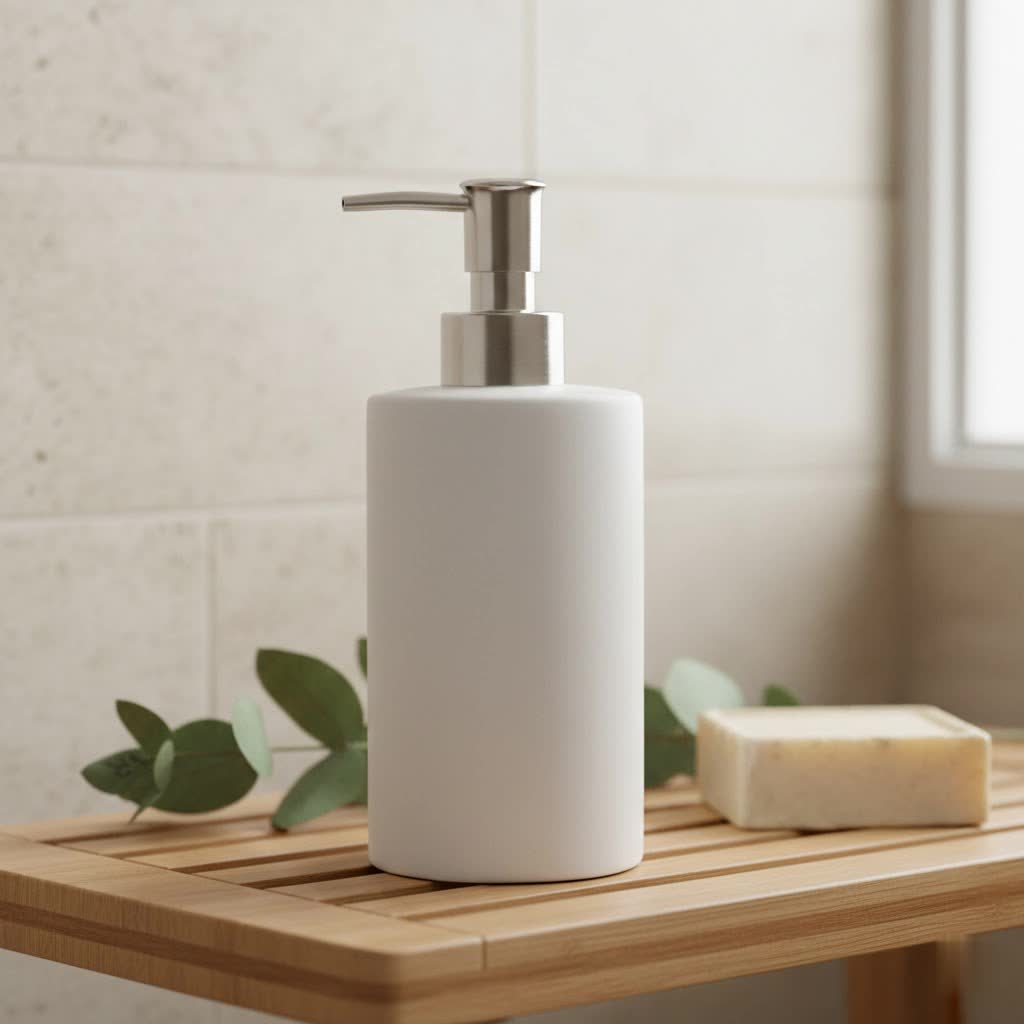
Have you ever considered how much the simple act of handwashing has evolved? From sharing communal bars of soap to the sleek, convenient liquid soap dispensers of today, our approach to hygiene has transformed dramatically. These often-overlooked devices play a crucial role in maintaining cleanliness in our homes, workplaces, and public spaces, blending essential functionality with modern design. This comprehensive guide will explore the history, various types, key selection factors, and essential maintenance tips for liquid soap dispensers, helping you find the perfect fit for your environment.
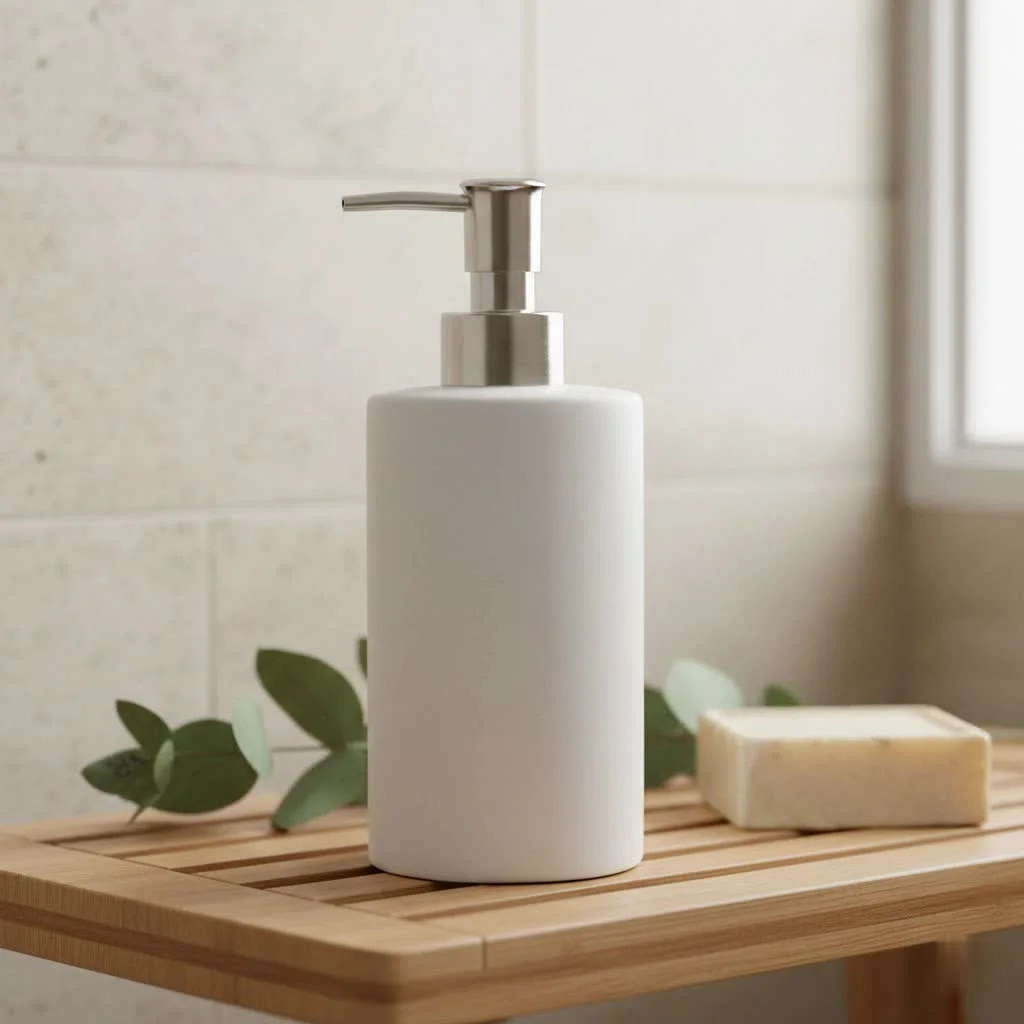
Liquid Soap Dispensers: Overview and Historical Development
Liquid soap dispensers are devices designed to store and dispense liquid soap, providing a more hygienic and convenient alternative to traditional bar soap. Their importance in daily life cannot be overstated, contributing significantly to public health by encouraging frequent and effective handwashing. For more home guides on this site.
The journey of the soap dispenser is quite fascinating. Early forms of hand pump soap dispensers first appeared in hospitals in the early 1800s, though these rudimentary devices were often plagued by clogs due to the thick soap formulations of the era. A significant breakthrough occurred in 1865 when William Sheppard patented liquid soap, paving the way for more fluid formulations. Later, in 1964, American entrepreneur Robert Ridgely Taylor introduced “Cream Soap on Tap,” marketing liquid soap as a luxury product in attractive ceramic containers, which quickly found success.
The modern liquid soap dispenser gained widespread popularity in 1980 when the Minnetonka Corporation introduced liquid soap hand pumps for household use. This move made personal hygiene more accessible and convenient for the average consumer. The evolution continued with a focus on enhanced hygiene, leading to the invention of the automatic soap dispenser in 1989 by Guey-Chuan Shiau, a Taiwanese inventor who sought to improve sanitation in public restrooms. From these early innovations, liquid soap dispensers have continuously evolved, with designs ranging from simple manual pumps to sophisticated touchless systems.
Popular Types of Liquid Soap Dispensers on the Market
Today’s market offers a diverse array of liquid soap dispensers, each with unique features catering to different needs and preferences. Understanding these types is key to making an informed choice.
Manual Liquid Soap Dispensers
Manual liquid soap dispensers are the most traditional and widely recognized type, requiring a physical press or pump to dispense soap.
- Pros: They are generally cost-effective, do not require electricity or batteries, and are simple to install and operate. Their straightforward design often makes them a reliable option.
- Cons: The main drawback is the need for physical contact, which can raise hygiene concerns in high-traffic or public environments where cross-contamination is a consideration.
- Applications: Ideal for residential use in home bathrooms and kitchens, as well as in low-traffic commercial settings where budget and simplicity are priorities.
Automatic Liquid Soap Dispensers
|
Our Picks for the Best Soap Dispenser in 2026
As an Amazon Associate I earn from qualifying purchases.
|
||
| Num | Product | Action |
|---|---|---|
| 1 | Clear Soap Dispenser with Rust Proof Pump, Waterproof Labels (2 Pack,16 Oz), Plastic Hand Soap Dish Soap Dispenser for Kitchen Bathroom |

|
| 2 | OXO Good Grips Stainless Steel Soap Dispenser, Kitchen and Bathroom Accessories |
|
| 3 | Small Soap Dispenser for Bathroom and Kitchen, Modern Farmhouse Striped Style Plastic Hand Soap Dish Soap Dispenser with Pump Matte Black |
|
| 4 | AIKE 15fl.oz Liquid Soap Dispenser for Dish and Hand Soap Matte Black |
|
| 5 | OXO Good Grips Soap Dispenser - 10 oz |
|
| 6 | JASAI 2PACK 18 Oz Glass Soap Dispenser with Rust Proof Stainless Steel Pump, Refillable Hand Soap Dispenser with Vertical Stripe, Premium Bathroom soap Dispenser for Kitchen & Bathroom |
|
| 7 | Aunmaon Automatic Soap Dispenser Touchless, Hands-Free, Multi Adjustable Volume, Long Battery Life, Compatible with Thick & Thin Dish/Hand Soap for Bathroom and Kitchen, Easy for Toddlers, Black |
|
| 8 | JASAI 18Oz Green Glass Soap Dispenser with Gold Rust Proof Pump, Refillable Kitchen soap Dispenser for Dish Soap, Soap Dispenser Bathroom for Hand soap, Lotion, Body Wash. |
|
| 9 | simplehuman 8 oz. Touch-Free Sensor Liquid Soap Pump Dispenser with Soap Sample, Brushed Nickel |
|
| 10 | Automatic Soap Dispenser, Touchless Dish Soap Dispenser 17oz/500ml with Infrared Sensor, 5 Adjustable Soap Levels, Liquid Dispenser for Bathroom Kitchen (Silver) |
|
Automatic liquid soap dispensers represent the pinnacle of modern hygiene, offering a touch-free handwashing experience. These dispensers utilize motion or infrared sensors to detect hands, dispensing a predetermined amount of soap without any physical contact.
- Pros: Their primary advantage is superior hygiene, significantly reducing the risk of cross-contamination. They also offer a modern aesthetic and can be very convenient, particularly for children or individuals with mobility challenges.
- Cons: They typically require batteries or a power source, which adds to their maintenance and running costs. Automatic dispensers are also generally more expensive upfront than their manual counterparts.
- Applications: Best suited for high-traffic public areas such as hospitals, restaurants, offices, and public restrooms, as well as in modern homes where advanced hygiene is desired.
Wall-Mounted Liquid Soap Dispensers
Wall-mounted dispensers are permanently affixed to a wall, freeing up valuable counter space and creating a clean, uncluttered look. These can be either manual or automatic in their dispensing mechanism.
- Pros: They are excellent for space-saving, especially in smaller bathrooms or kitchens, and provide a sleek, integrated aesthetic. They are durable and often designed for high-capacity use.
- Cons: Installation is more involved, as it requires drilling into the wall. Once installed, they are not easily moved, and refilling might be slightly less convenient depending on the design.
- Applications: Commonly found in showers, public restrooms, commercial kitchens, and any setting where maximizing counter space and a streamlined appearance are important.
Countertop Liquid Soap Dispensers
Countertop liquid soap dispensers are freestanding units that can be placed directly on a sink or counter. They are arguably the most versatile in terms of design and material.
- Pros: Highly portable, making them easy to move for cleaning or redecoration. They come in an extensive range of styles and materials, allowing for significant personalization to match interior décor. Refilling and cleaning are typically straightforward.
- Cons: They occupy counter space and can be accidentally knocked over. In busy environments, multiple units may be needed.
- Applications: Universally popular for home bathrooms, kitchens, and guest restrooms, offering both functionality and a decorative element.
Detailed Comparison of Liquid Soap Dispenser Types
Choosing the right liquid soap dispenser involves weighing various factors. Here’s a comparative overview of the most common types:
| Feature | Manual Pump | Automatic (Sensor) | Wall-Mounted | Countertop |
|---|---|---|---|---|
| Price | Low to Moderate | Moderate to High | Moderate to High | Low to Moderate |
| Hygiene | Moderate (physical contact) | High (touch-free) | Moderate to High (depends on mechanism) | Moderate (physical contact) |
| Installation | None (freestanding) | Easy (freestanding) or Moderate (wall-mount) | Permanent (drilling required) | None (freestanding) |
| Maintenance | Easy refill, pump cleaning | Battery replacement, sensor cleaning, pump cleaning | Refilling can be trickier, pump cleaning | Easy refill, easy cleaning |
| Aesthetics/Space | Variable, takes counter space | Modern, takes counter space | Sleek, space-saving | High design variety, takes counter space |
| Power Source | None | Batteries/Rechargeable | None (if manual) or Batteries/AC (if automatic) | None |
How to Choose the Right Liquid Soap Dispenser
Selecting the perfect liquid soap dispenser goes beyond just picking one off the shelf. It requires careful consideration of your specific needs, the environment, and your aesthetic preferences.
Determine Usage Needs
Begin by assessing who will be using the dispenser and how often. For a busy family bathroom or a commercial washroom with high foot traffic, a large-capacity automatic dispenser might be ideal to minimize refills and enhance hygiene. For a personal en-suite or a guest bathroom with infrequent use, a smaller, more decorative manual countertop model could be perfectly suitable. Consider the precise location – a kitchen sink might benefit from an easily refillable countertop dispenser for both hand and dish soap, while a shower may call for a multi-chamber wall-mounted unit for shampoo, conditioner, and body wash.
Select Material
The material of your soap dispenser impacts its durability, aesthetics, and ease of cleaning.
- Plastic (ABS): Lightweight, affordable, and resistant to impact and chemicals, plastic dispensers are a practical choice for high-traffic areas or homes with children.
- Stainless Steel: Offering a sleek, modern, and highly hygienic finish, stainless steel is exceptionally durable and corrosion-resistant. It’s a popular choice for contemporary kitchens and bathrooms, as it resists rust and discoloration.
- Ceramic or Glass: These materials provide a more luxurious and decorative appeal, allowing for a wide range of designs and colors to match your décor. However, they are more fragile and might not be suitable for environments where they could easily be knocked over.
- Brass or Chrome: These metallic finishes offer an elegant and classic look, known for their durability and resistance to corrosion, often seen in upscale or traditional settings.
Consider Style and Design
Your soap dispenser is also a design element. Choose a style that complements your interior décor, whether it’s modern minimalist, rustic farmhouse, or classic traditional. Beyond appearance, consider practical design aspects like the refill mechanism. Some dispensers are top-fill, making refilling simple, while others might have a more complex but secure system. The capacity of the dispenser is also important – a larger capacity means less frequent refilling, which is a convenience in busy households or commercial spaces.
Evaluate Brands and Suppliers
Researching reputable brands known for quality and customer service can save you headaches in the long run. Look for companies with positive reviews and reliable product warranties. Comparing prices and features across different suppliers will help you find a product that offers the best value for your investment, ensuring you get a durable and functional dispenser that meets your expectations.
Top 5 Recommended Liquid Soap Dispensers
When seeking the best liquid soap dispensers, certain features consistently emerge as indicators of quality and user satisfaction. While specific models and prices can vary, here are five categories and characteristics that define top-tier options:
- Smart Sensor Automatic Dispenser: Leading models often feature precise infrared sensors that deliver an exact amount of soap, minimizing waste and ensuring optimal hygiene. Look for adjustable volume settings, a no-drip spout, and a clear reservoir for easy monitoring. Brands like Simplehuman are often lauded for their advanced, durable automatic dispensers.
- Durable Stainless Steel Manual Pump: For those who prefer a classic manual operation, a robust stainless steel pump offers exceptional durability and a clean aesthetic. Top picks often highlight a wide mouth for easy refilling, a sturdy non-slip base, and a smooth pumping action. The OXO Good Grips Stainless Steel Soap Dispenser is a popular choice in this category.
- Elegant Glass or Ceramic Countertop Dispenser: Aesthetic appeal is paramount for many, and the best decorative dispensers combine functionality with beauty. These typically feature high-quality glass or ceramic, often with a stainless steel or chrome pump, to elevate bathroom or kitchen décor. Look for weighted bases to prevent tipping.
- Multi-Chamber Wall-Mounted Shower Dispenser: For ultimate shower organization, top wall-mounted dispensers come with multiple chambers, allowing you to store shampoo, conditioner, and body wash neatly. Key features include easy-to-press pumps, transparent windows to see soap levels, and waterproof designs for longevity in wet environments.
- Eco-Friendly Refillable Set: Reflecting a growing desire for sustainability, highly-rated refillable dispenser sets, often made from durable glass or high-grade plastic with bamboo accents, are popular. These are designed for bulk soap refills, reducing single-use plastic waste while providing a coordinated and stylish look for multiple sinks in a home.
Proper Use and Maintenance of Liquid Soap Dispensers
To ensure your liquid soap dispenser functions optimally and lasts for years, proper usage and consistent maintenance are essential.
When filling your dispenser, avoid overfilling to prevent leaks and spills. For bulk refills, a funnel can make the process mess-free. If your manual dispenser is new or has been refilled, you might need to “prime” the pump by pressing it several times until soap begins to flow consistently. For automatic dispensers, ensure your hands are placed directly under the sensor and spout to trigger proper dispensing.
Regular cleaning is vital for maintaining hygiene and preventing clogs. For daily upkeep, simply wipe the exterior of the dispenser with a damp cloth and mild liquid dish soap, then rinse and dry with a soft cloth. For a deeper clean, especially if you notice slow dispensing or clogs, remove the pump mechanism (head and straw). Soak these parts in warm, soapy water to dissolve any dried or congealed soap residue. After soaking, rinse thoroughly and pump warm water through the mechanism to clear any blockages.
It’s advisable to flush the entire system quarterly, particularly if you’re changing the brand or type of soap, as different formulations can react and cause blockages. Always ensure the dispenser is completely dry before refilling, as moisture can lead to corrosion. Avoid using harsh chemicals, detergents, or abrasive cleaners on your dispenser, especially on stainless steel or painted finishes, as these can damage the material and surface. Promptly address any issues like leaks or slow dispensing to prevent further damage or bacterial buildup.
“A well-maintained soap dispenser isn’t just about aesthetics; it’s a frontline defense in preventing germ spread and ensures a pleasant, hygienic experience for everyone.” – ReviewesBazar Admin, Soap Dispenser Expert
Conclusion
Liquid soap dispensers, once a luxury, are now an indispensable part of our daily hygiene routines. From their humble beginnings to today’s innovative designs, these devices offer a blend of convenience, cleanliness, and style. Whether you prioritize touch-free operation for maximum hygiene, a space-saving wall-mounted unit, or a chic countertop model to complement your decor, there’s a perfect liquid soap dispenser out there for every need. By considering factors like usage, material, design, and committing to proper maintenance, you can ensure your chosen dispenser not only enhances your space but also supports a healthier environment for all. Upgrading your hand hygiene routine with the right liquid soap dispenser is a small change that makes a big impact.
Which type of liquid soap dispenser best fits your lifestyle and aesthetic?
Frequently Asked Questions
What is the difference between liquid soap and foam soap dispensers?
Liquid soap dispensers dispense soap in its original liquid form, while foam soap dispensers mix liquid soap with air to create a rich, pre-lathered foam. Foam dispensers often use less soap per pump and provide a lighter, airy texture, while liquid dispensers offer a more concentrated cleaning solution.
Can I use any liquid soap in any dispenser?
While many liquid soaps are compatible with standard pump dispensers, it’s generally best to use soap specifically designed for your dispenser type. Thicker soaps can clog pumps designed for thinner liquids, and some automatic dispensers require specific soap formulations to function correctly with their sensors. Always check the manufacturer’s recommendations.
How often should I clean my soap dispenser?
For optimal hygiene and performance, it’s recommended to wipe down the exterior of your soap dispenser daily. A deeper clean, including soaking and flushing the pump mechanism, should be performed at least monthly or quarterly, and especially whenever you refill the dispenser or change soap types.
What materials are best for soap dispensers?
The best material depends on your priorities. Stainless steel offers durability, hygiene, and a modern look. ABS plastic is affordable and resistant to impact. Glass and ceramic provide elegant aesthetics but require more careful handling. Consider the environment (e.g., high-traffic vs. low-traffic) and desired style when making your choice.
Are automatic soap dispensers truly more hygienic?
Yes, automatic soap dispensers are generally considered more hygienic because they offer a touch-free operation, eliminating the need for users to touch the dispenser itself. This significantly reduces the potential for germ transfer and cross-contamination, making them ideal for public and high-traffic areas.
Cooking gear we tested in our own kitchens
Free PDF — preheat times measured on 10 popular air fryers.
