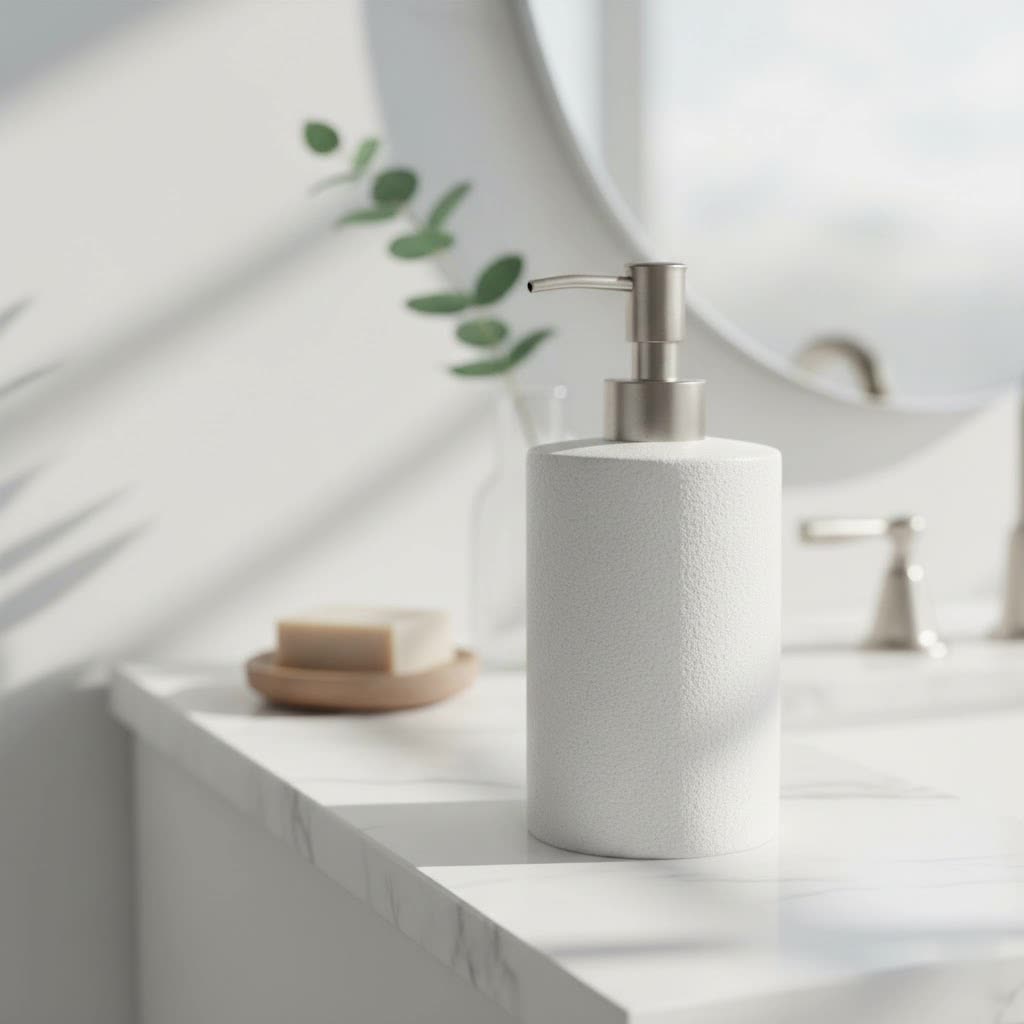
In an era where every detail contributes to a home’s aesthetic, the humble soap dispenser has evolved beyond mere utility. It now serves as a statement piece, blending seamlessly with thoughtful interior design. For those seeking to infuse their kitchens and bathrooms with a touch of natural sophistication and unparalleled durability, a stone soap dispenser stands out as an exceptional choice. These dispensers don’t just hold soap; they embody a commitment to enduring style and sustainable living, transforming mundane routines into moments of refined pleasure.
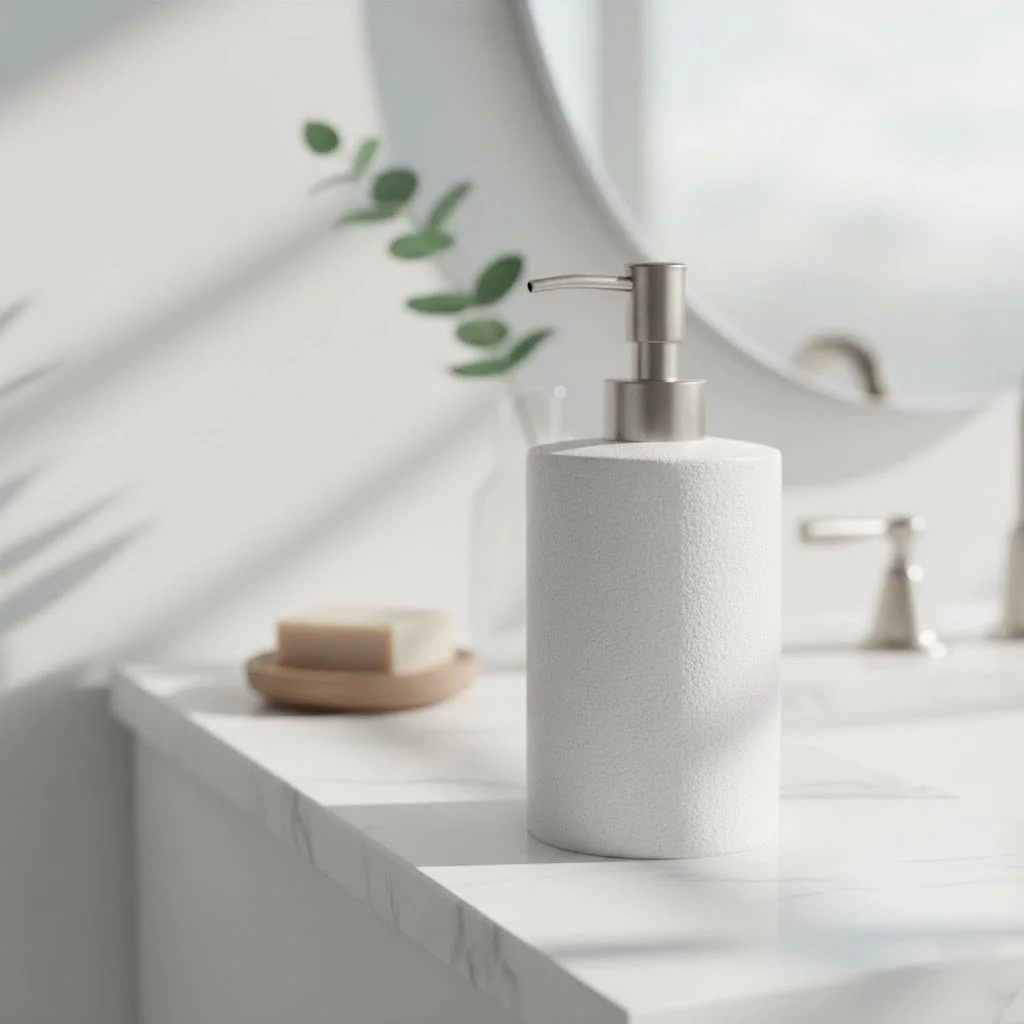
Soap Dispenser: An Essential Blend of Form and Function
The journey of the soap dispenser reflects a broader evolution in household convenience and hygiene. From early communal soap bars to the invention of liquid soap and its specialized containers, the dispenser has continuously adapted to meet user needs for cleanliness and ease. Initially designed for practical reasons, modern soap dispensers now marry functionality with aesthetics, becoming integral parts of home decor. While traditional materials like plastic, glass, and ceramic have long dominated the market, the emergence of stone soap dispensers introduces a new standard of luxury and resilience, offering an organic alternative that elevates any space.
The Allure of Stone Soap Dispensers: Types and Their Unique Charm
Stone soap dispensers are celebrated for their natural beauty, offering a diverse palette of textures and patterns derived from geological wonders. Each type of stone brings its own unique character, allowing for tailored aesthetic integration into various decor styles.
Marble Soap Dispensers: Classic Elegance and Considerations
Marble, renowned for its timeless beauty and luxurious appeal, is a popular choice for soap dispensers. Its distinctive veining patterns and smooth, cool surface evoke sophistication, making it a perfect fit for high-end bathrooms and kitchens. Marble dispensers add an instant touch of refinement, whether your decor is modern or classic. However, it’s important to note that marble is a naturally porous material, meaning it can be susceptible to stains and may require proper sealing and diligent maintenance to uphold its hygiene and pristine appearance.
Travertine Soap Dispensers: Earthy Warmth and Natural Textures
Travertine soap dispensers bring a sense of natural elegance and earthy warmth into a space. Characterized by its soft beiges, creams, and unique porous texture, travertine offers a spa-like feel. These dispensers often feature a brass-finish pump mechanism that beautifully complements the stone’s natural tones, making them a durable and aesthetically pleasing addition that blends well with rustic or minimalist designs.
Concrete and Resin Stone-Effect Dispensers: Modern Versatility
|
Our Picks for the Best Soap Dispenser in 2026
As an Amazon Associate I earn from qualifying purchases.
|
||
| Num | Product | Action |
|---|---|---|
| 1 | OXO Good Grips Stainless Steel Soap Dispenser, Kitchen and Bathroom Accessories |

|
| 2 | JASAI 18Oz Green Glass Soap Dispenser with Gold Rust Proof Pump, Refillable Kitchen soap Dispenser for Dish Soap, Soap Dispenser Bathroom for Hand soap, Lotion, Body Wash. |
|
| 3 | AIKE 15fl.oz Liquid Soap Dispenser for Dish and Hand Soap Matte Black |
|
| 4 | Automatic Soap Dispenser, Touchless Dish Soap Dispenser 17oz/500ml with Infrared Sensor, 5 Adjustable Soap Levels, Liquid Dispenser for Bathroom Kitchen (Silver) |
|
| 5 | Small Soap Dispenser for Bathroom and Kitchen, Modern Farmhouse Striped Style Plastic Hand Soap Dish Soap Dispenser with Pump Matte Black |
|
| 6 | Clear Soap Dispenser with Rust Proof Pump, Waterproof Labels (2 Pack,16 Oz), Plastic Hand Soap Dish Soap Dispenser for Kitchen Bathroom |
|
| 7 | OXO Good Grips Soap Dispenser - 10 oz |
|
| 8 | simplehuman 8 oz. Touch-Free Sensor Liquid Soap Pump Dispenser with Soap Sample, Brushed Nickel |
|
| 9 | JASAI 2PACK 18 Oz Glass Soap Dispenser with Rust Proof Stainless Steel Pump, Refillable Hand Soap Dispenser with Vertical Stripe, Premium Bathroom soap Dispenser for Kitchen & Bathroom |
|
| 10 | Aunmaon Automatic Soap Dispenser Touchless, Hands-Free, Multi Adjustable Volume, Long Battery Life, Compatible with Thick & Thin Dish/Hand Soap for Bathroom and Kitchen, Easy for Toddlers, Black |
|
For those desiring a contemporary, industrial, or minimalist aesthetic, concrete or resin stone-effect dispensers offer compelling alternatives. While not entirely natural stone, high-quality resin and concrete dispensers mimic the look and feel of stone with remarkable accuracy. They provide excellent durability and often come in various shades of gray, black, or even vibrant colors. These options are often less porous than natural stone, making them somewhat easier to maintain while still delivering a sophisticated, weighty presence.
Other Natural Stones: Onyx, River Stone, and Zeolite
Beyond marble and travertine, a range of other natural stones are crafted into unique soap dispensers. Onyx offers striking translucence and rich color variations, adding a dramatic flair. River stone dispensers, made from naturally smoothed pebbles, provide a rustic, organic, and truly one-of-a-kind appearance. Zeolite stone dispensers, often cylindrical or oval, showcase distinct natural patterns and textures, contributing a modern yet earthy vibe. Each of these materials ensures that no two dispensers are exactly alike, offering unparalleled personalization.
Why Choose Stone? Unveiling the Key Benefits
Opting for a stone soap dispenser is an investment in both style and substance. Their unique properties offer a host of advantages that set them apart from conventional alternatives.
Natural Aesthetic and Unmatched Elegance
Stone soap dispensers bring an organic, luxurious feel to any bathroom or kitchen. Crafted from natural materials, they introduce a sense of calm and sophistication. The inherent variations in color, veining patterns, and textures mean that each dispenser is a unique work of art, adding a personalized touch that mass-produced items cannot replicate. Whether your home embraces a minimalist design or a more rustic aesthetic, the neutral tones and distinctive texture of stone allow it to blend seamlessly with a wide range of colors and finishes.
Exceptional Durability and Longevity
One of the primary benefits of stone soap dispensers is their remarkable durability. Stone is a resilient material designed to withstand daily wear and tear without easily showing signs of damage. Unlike dispensers made from plastic or glass, stone counterparts are far less likely to crack, chip, or break, ensuring they last for many years. This longevity makes a stone soap dispenser a practical, long-term investment, particularly in high-traffic areas, reducing the need for frequent replacements and ultimately saving time and money.
Eco-Friendly and Sustainable Choice
With growing environmental awareness, many homeowners are seeking more sustainable products. Stone soap dispensers are made from natural, earth-sourced materials, offering an eco-friendly alternative to plastic or synthetic options. As a naturally occurring resource, stone generally has a smaller environmental footprint during production compared to non-biodegradable materials. By choosing a stone dispenser, you contribute to reducing plastic waste and integrate sustainable design practices into your home. Marble, for example, is a natural resource that can be reused and recycled, resulting in less waste.
Easy Maintenance for Lasting Beauty
Despite popular misconceptions, maintaining a stone soap dispenser is often straightforward. Stone surfaces are naturally resistant to water and soap residue, making them relatively easy to clean. A quick wipe-down with a damp cloth is typically sufficient to keep them looking fresh and pristine. Furthermore, stone is generally less prone to showing fingerprints and smudges compared to materials like glass or polished metal, which means less time spent on cleaning and more time enjoying the inherent beauty of your space. For porous stones like marble, applying a sealant is recommended to enhance stain resistance.
Unique Design and Personalization
The very nature of stone ensures that every dispenser possesses its own unique character. From the subtle variations in color to the intricate natural veining, each piece is truly one-of-a-kind. This distinctiveness allows for a personalized touch in your bathroom or kitchen, setting your home apart from generic decor. Moreover, stone can be beautifully combined with other materials, such as various metals for pump mechanisms, to create customized designs that perfectly complement your overall interior aesthetic. Marble, for instance, is also naturally non-allergenic and hypoallergenic, meaning it does not generate volatile organic compounds (VOCs) or hazardous substances, making it a safe choice for those with allergies or sensitive skin.
Navigating Your Purchase: A Guide to Selecting the Perfect Stone Soap Dispenser
Choosing the right stone soap dispenser involves a blend of aesthetic preference and practical considerations. Thoughtful selection ensures that your dispenser not only looks stunning but also functions flawlessly for years to come.
Assess Your Needs and Placement
Before diving into material choices, consider where the dispenser will be placed and how it will be used. Is it for a high-traffic family bathroom, a guest powder room, or a kitchen sink? The location and frequency of use might influence your choice of stone type and pump mechanism. For instance, a heavier stone like marble or granite is excellent for stability on a countertop, preventing accidental tipping during vigorous handwashing.
Delve into Material Selection
As explored earlier, different stones offer distinct visual and tactile experiences.
- Marble: Ideal for a luxurious, classic, or contemporary look. Remember its porosity requires sealing and gentle, pH-neutral cleaners to prevent etching and staining.
- Travertine: Best for adding warm, earthy tones and a rustic yet refined aesthetic.
- Concrete/Resin (Stone-Effect): Offers modern, industrial appeal with generally lower maintenance than natural porous stones.
- Onyx, River Stone, Zeolite: For truly unique, artistic statements and distinctive textures.
Consider the existing colors and textures in your space to ensure the stone complements your current decor.
Consider Design and Pump Mechanism
The design of the dispenser, including its shape (cylindrical, square, organic) and the finish of its pump mechanism, are crucial. Common pump materials include brass, stainless steel, and chrome, each offering a different visual appeal and level of durability. A metal pump generally provides better longevity and a more premium feel than plastic alternatives. Ensure the pump action is smooth and responsive for effortless dispensing. Some dispensers might also be wall-mounted, offering a sleek, space-saving solution.
Brand Reputation and Customer Reviews
When investing in a quality stone soap dispenser, researching the brand and reading customer reviews can provide invaluable insights. Look for brands known for their craftsmanship and ethical sourcing of materials. Reviews can shed light on the actual durability, ease of maintenance, and the overall satisfaction of other users. This due diligence helps ensure you are purchasing a high-quality product that meets your expectations.
Caring for Your Stone Soap Dispenser: Tips for Longevity
Proper care and maintenance are key to preserving the beauty and functionality of your stone soap dispenser, ensuring it remains a cherished item in your home for years.
Routine Cleaning Practices
Maintaining a stone soap dispenser is generally straightforward. For daily cleaning, a quick wipe with a soft, damp cloth is usually sufficient to remove water spots and light soap residue. For a more thorough clean, use a mild, pH-neutral soap or a specialized stone cleaner. It’s crucial to avoid harsh chemicals, abrasive cleaners, acidic substances like vinegar or lemon juice, and rough scrubbing pads, as these can damage the stone’s surface, strip away sealants, or cause etching. After cleaning, rinse the dispenser thoroughly with warm water and dry it immediately with a soft towel to prevent water spots and streaks.
Preventing Stains and Residue
To minimize soap residue buildup, dispense an appropriate amount of soap, avoiding excess. Promptly wipe away any soap drips or spills on the dispenser’s surface after each use. This practice not only keeps your dispenser looking clean but also prevents the residue from hardening and potentially harboring bacteria. For porous stones, immediate clean-up of any colored liquid (like dyed soaps) is essential to prevent staining.
Sealing and Protection
For natural porous stones like marble and travertine, periodic sealing is highly recommended. A good quality stone sealant will create a protective barrier, significantly reducing the stone’s porosity and making it less susceptible to moisture absorption, staining, and bacterial penetration. The frequency of sealing depends on the specific stone and usage, but typically every 6-12 months is a good guideline. Regularly inspect your dispenser for any signs of wear, chips, or damage, and address them promptly to maintain hygiene and aesthetic appeal.
Top Picks: Highly-Rated Stone Soap Dispensers for Your Home
While specific brand recommendations can vary, the most sought-after stone soap dispensers share common traits that define their excellence. Look for models featuring solid, substantial stone construction—whether it’s richly veined marble, earthy travertine, or sleek concrete—paired with a robust, rust-resistant metal pump, often in stainless steel or a brass finish. Dispensers that offer easy refill mechanisms, a comfortable pumping action, and a stable, weighty base consistently receive high praise. The ideal stone soap dispenser seamlessly combines aesthetic appeal with everyday practicality, providing a luxurious yet functional upgrade that stands the test of time and enhances any decor.
Conclusion
Choosing a stone soap dispenser is more than just a functional upgrade; it’s a statement of style, a nod to sustainability, and an investment in lasting quality. From the timeless elegance of marble to the earthy charm of travertine and the modern allure of concrete, these natural and stone-effect dispensers offer unparalleled aesthetic versatility and exceptional durability. They effortlessly transform ordinary tasks into an experience of refined luxury, bringing a unique, organic touch to any kitchen or bathroom. With their low maintenance needs and eco-friendly appeal, stone soap dispensers are an intelligent choice for discerning homeowners. So, why settle for the mundane when you can embrace the enduring beauty and practical benefits of stone? Which stone aesthetic best captures your vision for a more elevated space?
Frequently Asked Questions
Are stone soap dispensers more hygienic than plastic ones?
Stone soap dispensers, particularly those made from natural, non-porous stones or properly sealed porous stones like marble, can be very hygienic. Stone surfaces are often resistant to water and soap residue, which helps prevent bacterial buildup. With regular cleaning using mild, pH-neutral cleaners, they can maintain excellent hygiene, often surpassing plastic in terms of long-term cleanliness and resistance to wear.
Can I use any type of liquid soap in a stone dispenser?
Most liquid soaps are suitable for stone dispensers. However, it’s best to avoid highly acidic or abrasive soaps, especially with natural porous stones like marble, as these can potentially damage the stone’s surface or sealant over time. Using mild, pH-neutral liquid hand soap or dish soap is generally recommended to preserve the integrity and appearance of your stone dispenser.
How do I prevent my stone soap dispenser from staining?
To prevent staining, especially with porous stones like marble or travertine, it’s crucial to wipe up any spills immediately, particularly those from colored soaps or acidic liquids. Regular cleaning with gentle, pH-neutral cleaners is essential. For natural porous stones, applying a quality stone sealant every 6-12 months creates a protective barrier that significantly reduces absorption and helps resist stains.
Are stone soap dispensers heavy and prone to tipping?
Stone soap dispensers are inherently heavier than those made from plastic or glass. This weight is actually a significant advantage, as it provides excellent stability on countertops, preventing accidental tipping during use. While they are heavier to lift, their substantial base ensures they remain firmly in place, making them highly functional and safe.
Can stone soap dispensers be used in the shower?
While stone soap dispensers are durable, using them directly in a constantly wet environment like a shower might require extra consideration. Continuous exposure to water and certain shower products (which can be more acidic or harsh than hand soaps) could potentially affect the stone’s finish or sealant over time. If used in the shower, ensure it’s a non-porous or well-sealed stone, and clean it frequently to prevent water spots and product buildup.
What’s the difference between natural stone and resin stone-effect dispensers?
Natural stone dispensers are crafted from solid pieces of stone like marble, travertine, or onyx, showcasing authentic geological patterns and textures. Resin stone-effect dispensers are made from a resin composite designed to mimic the look and feel of stone. While stone-effect dispensers can be durable and less porous, natural stone offers unique variations, a distinct tactile experience, and the inherent properties of genuine rock.
Cooking gear we tested in our own kitchens
Free PDF — preheat times measured on 10 popular air fryers.
