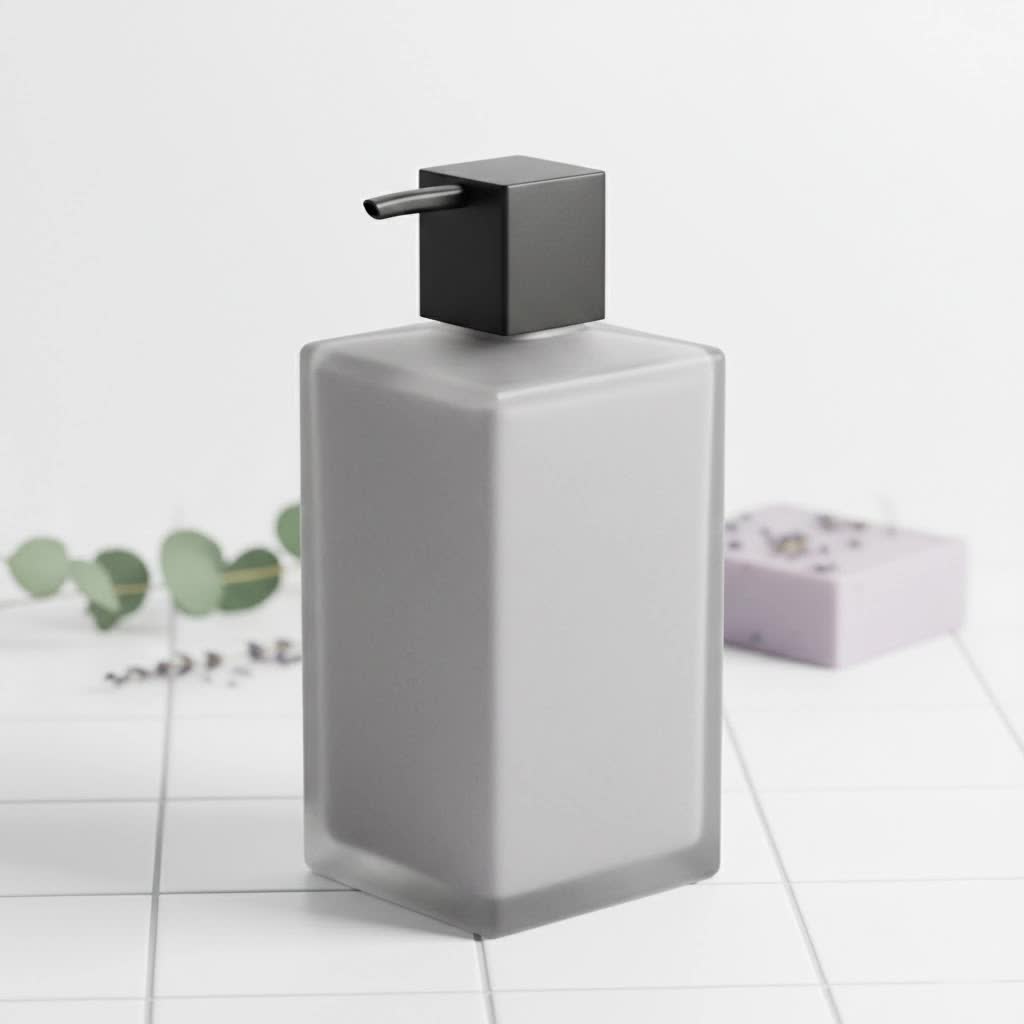
Choosing the right soap and dish soap dispenser might seem like a small detail, but this often-overlooked accessory can dramatically impact your kitchen and bathroom’s hygiene, convenience, and aesthetic. With a myriad of options available, from classic manual pumps to advanced automatic models, understanding the nuances of each type is key to finding the perfect fit for your home. This comprehensive guide will navigate you through the world of soap dispensers, ensuring you make an informed decision that brings both functionality and style to your space.
Soap Dispenser: Overview and Evolution
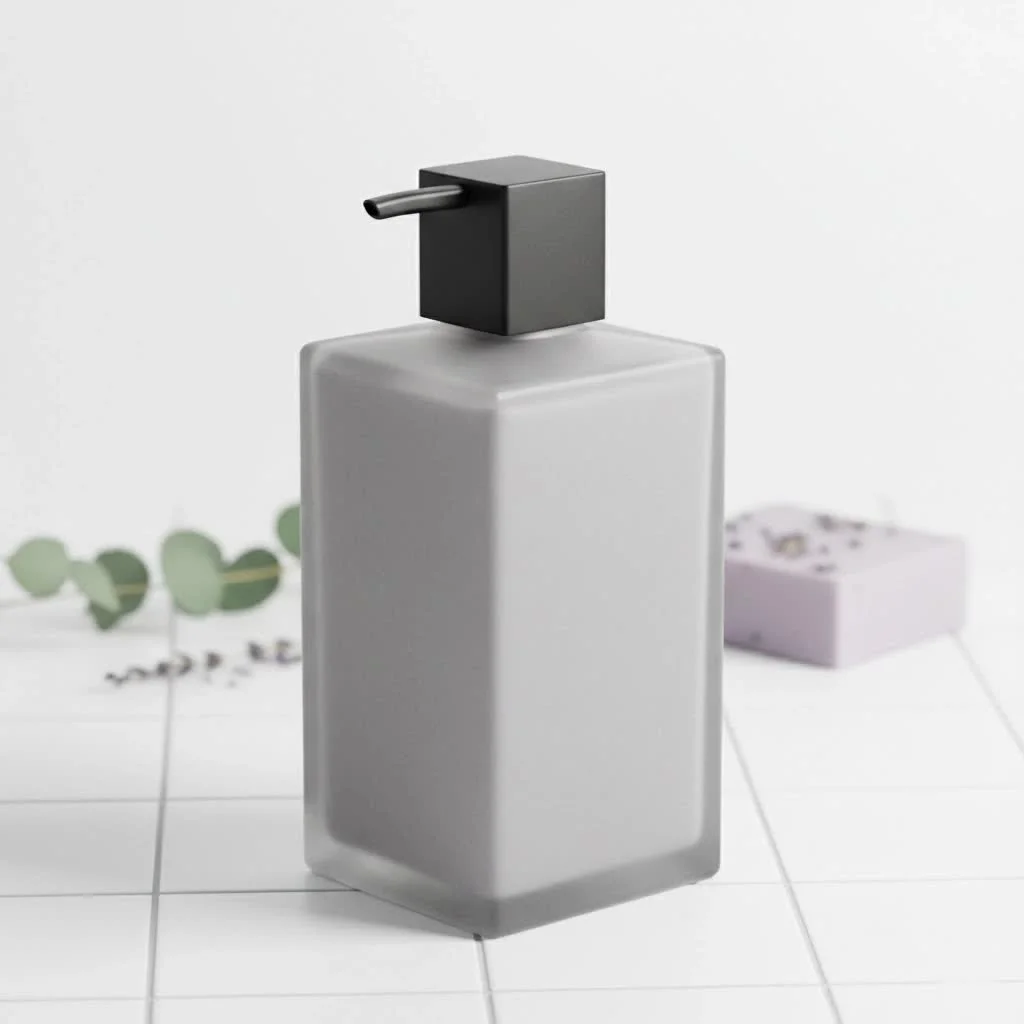
The humble soap dispenser has evolved significantly from its rudimentary beginnings, transforming from a simple utility item into a sophisticated blend of form and function. Originally designed to offer a more hygienic alternative to bar soap, modern dispensers now play a crucial role in preventing germ spread while enhancing the visual appeal of our sinks. This evolution has led to a diverse market, catering to every preference and practical need.
The core role of a soap dispenser is to provide easy access to liquid soap, encouraging regular handwashing and efficient dish cleaning. Early versions were often basic pump bottles, but innovations in materials and technology have introduced a wide array of options, including touch-free automatic models and integrated sink designs. Today, soap dispensers are not just about dispensing; they are about enhancing hygiene, reducing waste, and complementing interior decor.
Popular Types of Soap Dispensers on the Market
The market offers a rich variety of soap dispensers, each with distinct features and benefits. Understanding these different types will help you select the most appropriate dispenser for your specific needs, whether for a busy kitchen or a serene bathroom. From traditional manual pumps to high-tech automatic solutions, there’s a dispenser designed to fit every lifestyle and space.
Manual Pump Soap Dispensers: Pros, Cons, and Applications
Manual pump soap dispensers are the most common and traditional type, operated by a simple press mechanism. They are widely used in both residential and commercial settings due to their reliability and straightforward design.
- Pros: Generally affordable, easy to use, highly versatile for various liquid soaps (hand soap, dish soap, lotion), and available in countless styles and materials to match any decor. Many are also refillable, promoting sustainability.
- Cons: Requires physical contact, which can transfer germs. The pump mechanism can wear out over time, and some designs may drip or clog.
- Applications: Ideal for general home use in kitchens and bathrooms, offices, and low-traffic commercial restrooms where cost-effectiveness and design versatility are priorities.
Automatic Soap Dispensers: Pros, Cons, and Applications
|
Our Picks for the Best Soap Dispenser in 2026
As an Amazon Associate I earn from qualifying purchases.
|
||
| Num | Product | Action |
|---|---|---|
| 1 | Automatic Soap Dispenser, Touchless Dish Soap Dispenser 17oz/500ml with Infrared Sensor, 5 Adjustable Soap Levels, Liquid Dispenser for Bathroom Kitchen (Silver) |

|
| 2 | JASAI 2PACK 18 Oz Glass Soap Dispenser with Rust Proof Stainless Steel Pump, Refillable Hand Soap Dispenser with Vertical Stripe, Premium Bathroom soap Dispenser for Kitchen & Bathroom |
|
| 3 | AIKE 15fl.oz Liquid Soap Dispenser for Dish and Hand Soap Matte Black |
|
| 4 | Small Soap Dispenser for Bathroom and Kitchen, Modern Farmhouse Striped Style Plastic Hand Soap Dish Soap Dispenser with Pump Matte Black |
|
| 5 | Clear Soap Dispenser with Rust Proof Pump, Waterproof Labels (2 Pack,16 Oz), Plastic Hand Soap Dish Soap Dispenser for Kitchen Bathroom |
|
| 6 | OXO Good Grips Soap Dispenser - 10 oz |
|
| 7 | simplehuman 8 oz. Touch-Free Sensor Liquid Soap Pump Dispenser with Soap Sample, Brushed Nickel |
|
| 8 | JASAI 18Oz Green Glass Soap Dispenser with Gold Rust Proof Pump, Refillable Kitchen soap Dispenser for Dish Soap, Soap Dispenser Bathroom for Hand soap, Lotion, Body Wash. |
|
| 9 | Aunmaon Automatic Soap Dispenser Touchless, Hands-Free, Multi Adjustable Volume, Long Battery Life, Compatible with Thick & Thin Dish/Hand Soap for Bathroom and Kitchen, Easy for Toddlers, Black |
|
| 10 | OXO Good Grips Stainless Steel Soap Dispenser, Kitchen and Bathroom Accessories |
|
Automatic soap dispensers represent the pinnacle of modern hygiene, offering a touch-free experience through motion sensor technology. They dispense a pre-measured amount of soap, minimizing contact and enhancing cleanliness.
- Pros: Superior hygiene by eliminating cross-contamination, convenient hands-free operation, often dispenses a consistent amount of soap to reduce waste, and typically features a sleek, modern aesthetic.
- Cons: Higher initial cost, requires batteries or a power source, limited design options compared to manual dispensers, and some models may struggle with thicker soaps or require specific soap types.
- Applications: Highly recommended for high-traffic areas, kitchens (especially when handling raw food), public restrooms, healthcare facilities, and any setting where minimizing germ transfer is paramount. Interior designer Christine Vroom notes that automatic dispensers are great in the kitchen when you don’t want to touch anything after handling raw meat.
Wall-Mounted Soap Dispensers: Pros, Cons, and Applications
Wall-mounted soap dispensers are fixed directly to the wall, freeing up valuable countertop space and creating a clean, uncluttered look. They are available in both manual and automatic variations.
- Pros: Excellent for maximizing counter space, particularly in smaller bathrooms or kitchens, offers a streamlined and modern aesthetic, reduces clutter around the sink, and can be installed at an accessible height.
- Cons: Requires installation, which may involve drilling into walls, less portable than countertop models, and refilling can sometimes be less convenient depending on the design.
- Applications: Perfect for small bathrooms, kitchens with limited counter space, showers (to eliminate bottle clutter), and commercial environments where durability and space efficiency are key.
Countertop Soap Dispensers: Pros, Cons, and Applications
Countertop soap dispensers are versatile standalone units that can be placed anywhere on a flat surface next to the sink. They offer flexibility in placement and a wide range of decorative possibilities.
- Pros: Easy to install (just place them), highly portable, available in a vast array of materials, styles, and colors, allowing for significant personalization and decor matching.
- Cons: Occupies counter space, prone to being knocked over, and may accumulate water or soap residue around the base if not regularly cleaned.
- Applications: Ideal for home bathrooms and kitchens where aesthetics are a priority and flexibility in placement is desired. They are also suitable for guest bathrooms or smaller businesses.
Foaming Soap Dispensers: Pros, Cons, and Applications
Foaming soap dispensers convert liquid soap into a rich, airy foam, typically by mixing it with air as it dispenses. They often use less soap per pump than traditional liquid dispensers.
- Pros: Creates a luxurious lather, uses less soap per application (making it more economical and eco-friendly), gentle on the skin, and rinses quickly. “The foaming soap dispensers seem to last longer as they are mixed with air and fewer pumps are needed,” says Christine Vroom, interior design expert.
- Cons: Requires specialized foaming soap or a specific dilution of liquid soap, which might limit soap choices. The foaming mechanism can sometimes clog if not maintained properly.
- Applications: Excellent for families with children (encourages handwashing), high-traffic areas, businesses, and anyone looking to conserve soap and enhance their handwashing experience.
Detailed Comparison of Soap Dispenser Types
When selecting a soap dispenser, comparing the different types across several criteria can help you make the best choice for your home.
| Feature | Manual Pump Dispenser | Automatic Dispenser | Wall-Mounted Dispenser | Countertop Dispenser | Foaming Dispenser (often manual/automatic) |
|---|---|---|---|---|---|
| Price Range | Low to Moderate | Moderate to High | Moderate to High | Low to Moderate | Moderate |
| Durability | Good (depends on material) | Good (electronics can fail) | Excellent (fixed position) | Good (depends on material) | Good (pump mechanism is key) |
| Convenience | Simple, reliable operation | Touch-free, hygienic | Space-saving, accessible | Portable, easy to place | Efficient soap usage, quick lather |
| Aesthetics | Highly versatile, many styles | Modern, sleek | Minimalist, uncluttered | Highly decorative, customizable | Modern, clean |
| Hygiene | Requires contact | Superior (no contact) | Good (less counter mess) | Requires contact | Good (uses less soap) |
| Installation | None (standalone) | None (standalone) | Requires drilling/mounting | None (standalone) | None (standalone) |
| Refill Frequency | Varies by capacity | Varies by capacity | Varies by capacity | Varies by capacity | Less frequent due to air mixture |
How to Choose the Right Soap Dispenser
Choosing the ideal soap dispenser involves considering various factors beyond just its appearance. A well-chosen dispenser will integrate seamlessly into your daily routine, enhancing both functionality and aesthetics.
Determine Usage Needs: Number of Users, Installation Location, Frequency of Use
Before shopping, assess where the dispenser will be used and by whom. For a busy kitchen or a family bathroom with frequent use, a larger capacity dispenser that is easy to refill is advisable to minimize constant refilling. For a guest bathroom, a smaller, more decorative unit might suffice. Also, consider the available space—countertop units are versatile, while wall-mounted options save precious counter real estate.
Material Selection: Plastic, Stainless Steel, Ceramic, Glass, and Their Pros/Cons
The material of your soap dispenser significantly impacts its durability, ease of cleaning, and overall look.
- Plastic: Lightweight, affordable, and less prone to breakage, making it practical for high-traffic areas or homes with children. However, it may not offer the most premium aesthetic.
- Stainless Steel: Known for durability, a sleek modern look, and resistance to rust and corrosion. Easy to clean and ideal for contemporary kitchens and bathrooms.
- Ceramic: Adds an elegant and decorative touch, available in various textures and colors. While aesthetically pleasing, ceramic can be fragile and prone to breakage if dropped.
- Glass: Offers a sophisticated and timeless appearance, allowing visibility of soap levels for timely refills. Similar to ceramic, glass dispensers require careful handling to prevent breakage.
- Resin/Concrete: Provides a unique, modern, and often textured aesthetic. These materials are generally durable but can be heavier.
Consider Style and Design: Matching Interior Decor
A soap dispenser is also a decor element. Choose a style that complements your existing interior design, whether it’s minimalist, modern, farmhouse, or classic. Brands offer a wide range of designs, finishes (e.g., chrome, brushed nickel, matte black), and colors to ensure your dispenser enhances the overall look of your space.
Research Brands and Suppliers: Quality and Reliability
Investing in a dispenser from a reputable brand often guarantees better quality, pump action, and longevity. While brand name might be less critical than for a faucet, well-known manufacturers like OXO, Simplehuman, Kohler, Moen, and Delta often provide more reliable products and better warranties. Reading user reviews can offer insights into a product’s real-world performance.
Read Reviews and Compare Prices: User Feedback and Value
Always check customer reviews to understand the practical experiences of other users, focusing on aspects like pump reliability, ease of refilling, and durability. Compare prices across different retailers to ensure you are getting good value for your money. Don’t always opt for the cheapest; a slightly higher investment for better quality can save money in the long run by avoiding frequent replacements.
Soap Compatibility & Capacity: Ensuring the Right Fit
Ensure the dispenser is compatible with your preferred type of soap (liquid, foaming, gel). Some automatic dispensers, for instance, may require specific soap viscosities. Capacity is also crucial; choose a size that matches your usage frequency to avoid constant refilling. Many dispensers hold 14 to 16 ounces, which is suitable for most households.
Ease of Refilling & Cleaning: Practical Considerations
Look for dispensers with wide openings for mess-free refills and easy-to-remove pumps or tops for simple cleaning. Dispensers that can be refilled from the top without needing to access under the sink are particularly convenient, especially for kitchen use. Regular cleaning is essential to prevent clogs and maintain hygiene.
Environmental Impact: Sustainable Choices
Consider the environmental footprint. Refillable soap dispensers made from durable, sustainable materials like stainless steel or recycled glass can significantly reduce plastic waste compared to single-use plastic soap bottles. Opting for larger refill bottles also contributes to a greener lifestyle.
“Beyond functionality, soap dispensers are another home decor opportunity to showcase a little personality by your sink.” – Christine Vroom, Interior Design Expert and Owner of Christine Vroom Interiors.
Top 5 Popular Soap Dispensers Today
Based on extensive research and user feedback, here are five highly-rated soap and dish soap dispensers that excel in design, functionality, and durability.
-
OXO Good Grips Stainless Steel Soap Dispenser
- Overview: Often cited as a top overall choice, this manual dispenser features a durable stainless steel body and a clear window at the base to monitor soap levels. It offers a large, robust pump.
- Pros: Fingerprint-proof finish, durable construction, available with liquid or foam pump options, easy refill visibility.
- Cons: Only available in stainless steel finish, which might not suit all decors.
- Approx. Price: $26
-
Secura Automatic Liquid Soap Dispenser
- Overview: A highly-rated automatic dispenser known for its touch-free operation and hygienic benefits. It features an infrared sensor and a clear plastic reservoir.
- Pros: Touch-free operation for enhanced hygiene, low battery indicator, clear reservoir for easy monitoring, multiple finish options (chrome, antique copper).
- Cons: Not compatible with rechargeable batteries, may require regular cleaning of the feed tube for thicker soaps.
- Approx. Price: $29 (on sale)
-
Williams Sonoma Frosted Foaming Soap Dispenser
- Overview: This elegant foaming soap dispenser from Williams Sonoma adds a sophisticated touch to any countertop, featuring frosted glass and a durable stainless-steel pump.
- Pros: Luxurious foaming experience, neutral frosted-glass design, durable stainless-steel pump, 16-ounce capacity for fewer refills, available individually or as a set.
- Cons: Glass construction is more fragile than plastic or metal options.
- Approx. Price: $30
-
Jarmazing Products Mason Jar Soap Dispenser
- Overview: Perfect for farmhouse or vintage decor themes, this glass Mason jar dispenser combines classic style with a functional stainless steel pump.
- Pros: Charming vintage aesthetic, clear glass allows soap visibility, rust and corrosion-resistant hardware, 16-ounce capacity, available individually or as a set.
- Cons: Glass body is more susceptible to breakage.
- Approx. Price: $16 (on sale)
-
AIKE Wall-Mount Automatic Liquid Soap Dispenser
- Overview: An excellent solution for saving counter space, this automatic, wall-mounted dispenser offers hands-free convenience and a large capacity.
- Pros: Maximizes counter space, touch-free operation, five adjustable dispensing levels, generous 27-ounce capacity reduces refill frequency, comes in various finishes.
- Cons: Requires 10-14 inches of clearance from the countertop for the sensor, needs four AA batteries.
- Approx. Price: $45
How to Use and Maintain Your Soap Dispenser Properly
Proper use and regular maintenance are crucial for extending the life of your soap dispenser, ensuring optimal performance, and maintaining hygiene. These simple steps can keep your dispenser looking new and functioning flawlessly.
To use your soap dispenser safely and effectively, always ensure it is filled with the appropriate type of soap (liquid, foaming, or gel) for which it was designed. Avoid overfilling, which can lead to spills and leaks. When dispensing, apply gentle pressure to manual pumps or position your hand correctly under automatic sensors to get the desired amount of soap without excessive force or multiple activations. For kitchen use, positioning the dispenser conveniently near the sink allows for quick access during dishwashing, preventing unnecessary mess or drips.
For cleaning and preservation, regular maintenance is key. Wipe the exterior of your dispenser frequently with a damp cloth and mild detergent to remove soap residue and grime, especially for touch-sensitive areas on automatic models. For manual pumps, disassembling the top components periodically and rinsing them with warm water can prevent clogging and ensure a smooth pumping action. If your automatic dispenser is battery-operated, monitor the battery life and replace them as needed to avoid interruptions. Promptly refilling your dispenser when the soap level is low also helps prevent air pockets and ensures consistent operation. By following these simple tips, your soap dispenser will remain a clean, efficient, and stylish addition to your home for years to come.
Conclusion
Choosing the ideal soap and dish soap dispenser is a simple yet impactful decision that enhances both the functionality and aesthetic appeal of your home. By considering factors such as usage needs, material, design, and specific features, you can select a dispenser that perfectly aligns with your lifestyle and decor. Whether you prioritize the touch-free hygiene of an automatic model or the classic elegance of a glass pump, a well-chosen soap dispenser is an investment in convenience, cleanliness, and style.
Ready to upgrade your home? Consider these insights to select a soap and dish soap dispenser that not only meets your practical needs but also beautifully complements your space. What type of dispenser will you choose to transform your daily routine?
Frequently Asked Questions
What are the main benefits of using a soap dispenser?
Soap dispensers enhance hygiene by minimizing germ transfer, reduce plastic waste by allowing refills, and improve the aesthetics of your kitchen or bathroom by replacing unsightly soap bottles. They also offer convenience by dispensing a consistent amount of soap with ease.
Can I use dish soap in a hand soap dispenser, and vice versa?
Yes, most liquid soap dispensers are versatile enough to hold both hand soap and dish soap, provided the viscosity is similar. However, foaming dispensers require specific foaming soap or a diluted liquid soap to function correctly. Always check the manufacturer’s recommendations for compatibility.
How often should I clean my soap dispenser?
It is recommended to clean your soap dispenser regularly, ideally once a week, to prevent soap residue buildup and bacterial growth. For a thorough cleaning, disassemble the pump and rinse all components with warm, soapy water.
Are automatic soap dispensers truly more hygienic?
Yes, automatic soap dispensers are generally considered more hygienic because their touch-free operation eliminates the need for physical contact, significantly reducing the spread of germs, especially in high-traffic areas or when handling raw food.
What materials are best for soap dispensers in high-traffic areas?
For high-traffic areas, durable materials like stainless steel or high-quality ABS plastic are recommended as they are resistant to impact, chemicals, and frequent use. These materials offer longevity and are typically easy to clean and maintain.
Cooking gear we tested in our own kitchens
Free PDF — preheat times measured on 10 popular air fryers.
