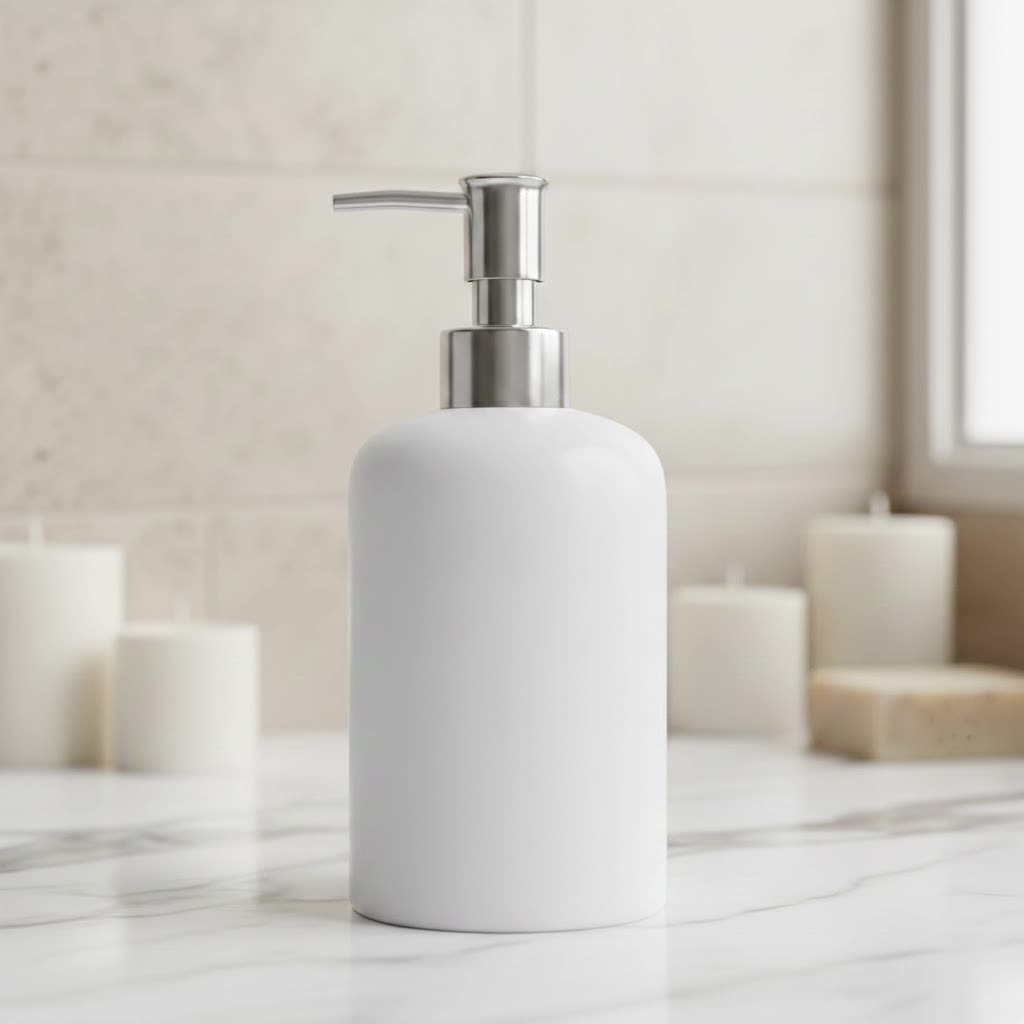
In today’s hygiene-conscious world, the humble soap dispenser has evolved from a mere utility item into a sophisticated blend of functionality and style. Far beyond the traditional bar of soap, modern dispensers offer convenience, improved sanitation, and an aesthetic appeal that can enhance any space. Whether you’re upgrading your kitchen, revamping your bathroom, or outfitting a commercial establishment, understanding the diverse world of soap dispensers is key to making an informed choice. This comprehensive guide will navigate you through the history, types, selection criteria, and maintenance of these essential devices, ensuring you find the ideal solution for your needs.
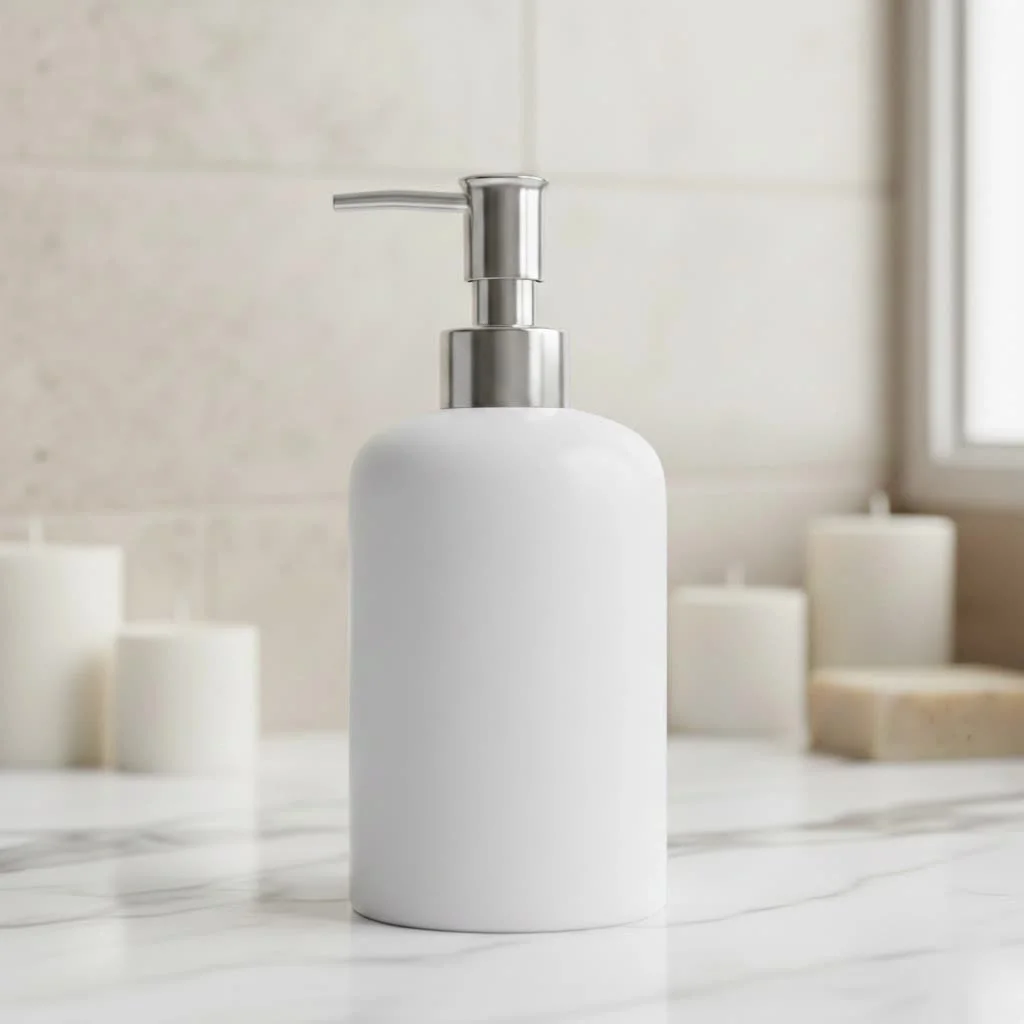
Soap Dispensers: An Overview and Their Evolution
The role of a soap dispenser is straightforward: to store and dispense soap in a controlled and hygienic manner, eliminating the mess and potential for germ transmission associated with shared bar soap. The journey of the soap dispenser is a fascinating one, mirroring the advancements in public health and convenience. For browse all home articles on this site.
Early forms of pump dispensers began appearing in commercial and medical settings in the early 1800s, primarily to handle thicker liquid soaps. A significant leap occurred with the patenting of liquid soap in 1865 by William Quick, paving the way for more efficient dispensing mechanisms. However, it wasn’t until 1980 that the Minnetonka Corporation popularized liquid soap and dispensers for home use, revolutionizing personal hygiene routines. The drive for enhanced public hygiene led to another innovation: the automatic soap dispenser, invented in 1989 by Guey-Chuan Shiau, which offered a touchless solution to minimize germ spread. From these early, often utilitarian designs, soap dispensers have transformed into products that seamlessly integrate into modern interiors, blending practicality with elegant aesthetics.
Popular Types of Soap Dispensers on the Market
The market today offers a wide array of soap dispensers, each with distinct advantages and ideal applications. Understanding these types is the first step in finding your perfect match.
Manual Soap Dispensers: Advantages, Disadvantages, and Applications
Manual soap dispensers are the classic choice, requiring a physical press of a pump or a push of a lever to dispense soap.
- Advantages: They are generally more affordable, reliable due to fewer moving parts, and do not require batteries or an external power source, making them low-maintenance. They are also compatible with a broader range of soap viscosities.
- Disadvantages: The primary drawback is the need for physical contact, which can contribute to cross-contamination, especially in high-traffic or public areas.
- Applications: Ideal for homes, small offices, or areas where cost-effectiveness and simplicity are prioritized over touchless operation.
Automatic Soap Dispensers: Advantages, Disadvantages, and Applications
|
Our Picks for the Best Soap Dispenser in 2026
As an Amazon Associate I earn from qualifying purchases.
|
||
| Num | Product | Action |
|---|---|---|
| 1 | Small Soap Dispenser for Bathroom and Kitchen, Modern Farmhouse Striped Style Plastic Hand Soap Dish Soap Dispenser with Pump Matte Black |

|
| 2 | simplehuman 8 oz. Touch-Free Sensor Liquid Soap Pump Dispenser with Soap Sample, Brushed Nickel |
|
| 3 | AIKE 15fl.oz Liquid Soap Dispenser for Dish and Hand Soap Matte Black |
|
| 4 | JASAI 18Oz Green Glass Soap Dispenser with Gold Rust Proof Pump, Refillable Kitchen soap Dispenser for Dish Soap, Soap Dispenser Bathroom for Hand soap, Lotion, Body Wash. |
|
| 5 | Clear Soap Dispenser with Rust Proof Pump, Waterproof Labels (2 Pack,16 Oz), Plastic Hand Soap Dish Soap Dispenser for Kitchen Bathroom |
|
| 6 | OXO Good Grips Soap Dispenser - 10 oz |
|
| 7 | JASAI 2PACK 18 Oz Glass Soap Dispenser with Rust Proof Stainless Steel Pump, Refillable Hand Soap Dispenser with Vertical Stripe, Premium Bathroom soap Dispenser for Kitchen & Bathroom |
|
| 8 | Aunmaon Automatic Soap Dispenser Touchless, Hands-Free, Multi Adjustable Volume, Long Battery Life, Compatible with Thick & Thin Dish/Hand Soap for Bathroom and Kitchen, Easy for Toddlers, Black |
|
| 9 | OXO Good Grips Stainless Steel Soap Dispenser, Kitchen and Bathroom Accessories |
|
| 10 | Automatic Soap Dispenser, Touchless Dish Soap Dispenser 17oz/500ml with Infrared Sensor, 5 Adjustable Soap Levels, Liquid Dispenser for Bathroom Kitchen (Silver) |
|
Automatic, or touchless, soap dispensers utilize motion sensors to detect hands, dispensing soap without any physical contact.
- Advantages: They offer superior hygiene by reducing germ transmission, making them excellent for environments where cleanliness is paramount. They often dispense a pre-measured amount of soap, which helps prevent overuse and minimizes waste. Their sleek designs also lend a modern touch to any space.
- Disadvantages: These dispensers are typically more expensive and require batteries or a power source, necessitating periodic replacement or charging. Some models may also be sensitive to soap viscosity, requiring specific liquid or foaming soap types.
- Applications: Perfect for high-traffic public restrooms, hospitals, restaurants, and homes prioritizing advanced hygiene and a contemporary aesthetic.
Wall-Mounted Soap Dispensers: Advantages, Disadvantages, and Applications
Wall-mounted dispensers are fixed directly to a wall, keeping countertops clear and uncluttered.
- Advantages: They are excellent space-savers, especially in smaller bathrooms or kitchens, and contribute to a streamlined, organized look. They can also be more secure in public settings, reducing the risk of theft or accidental knocks.
- Disadvantages: Installation requires drilling into walls, which can be permanent and may not be suitable for renters. Refilling can sometimes be less convenient than with countertop models.
- Applications: Commonly found in commercial restrooms, gyms, hotels, healthcare facilities, and small residential spaces.
Countertop Soap Dispensers: Advantages, Disadvantages, and Applications
Countertop (or deck-mounted) soap dispensers are placed directly on the sink or countertop. Built-in versions are installed directly into the sink deck.
- Advantages: Highly versatile and easy to move or refill. They come in a vast array of materials and styles, allowing for significant personalization to match interior décor. Built-in models offer a very clean, integrated look.
- Disadvantages: They occupy counter space, which can be a concern in compact areas, and are more prone to being knocked over or moved.
- Applications: Widely used in residential kitchens and bathrooms, as well as in hotel rooms and modern commercial restrooms where aesthetics and accessibility are key.
Detailed Comparison of Soap Dispenser Types
To help you decide, here’s a comparative overview of the main soap dispenser types based on key criteria:
| Feature | Manual Pump | Automatic (Touchless) | Wall-Mounted | Countertop (Freestanding/Built-in) |
|---|---|---|---|---|
| Price | Generally low | Higher | Moderate to high | Low to high |
| Durability | Very good (fewer parts) | Good (electronics can fail) | Excellent (fixed, secure) | Varies by material/design |
| Convenience | Easy to use, no power | Hands-free, consistent dose | Space-saving, tidy counters | Portable, wide style choice |
| Hygiene | Requires physical contact | Touch-free, low germ transfer | Can be touch-free or manual | Requires physical contact |
| Aesthetics | Classic, varied | Modern, sleek | Clean, minimalist | Highly decorative, varied |
| Installation | None (freestanding) | Minimal (freestanding) | Requires drilling/mounting | None (freestanding) / Drilling (built-in) |
| Maintenance | Simple refill/cleaning | Battery replacement, sensor care | Refill access varies | Easy refill/cleaning |
How to Choose the Right Soap Dispenser
Selecting the ideal soap dispenser involves a thoughtful consideration of your specific needs, aesthetic preferences, and practical considerations.
Determine Your Usage Needs
Begin by assessing who will be using the dispenser and how often.
- Number of Users: For a single-person household, a basic manual dispenser might suffice. For a busy family or a commercial setting, high-capacity, durable, and hygienic options like automatic or wall-mounted models are more practical.
- Placement Location: Consider whether it’s for a kitchen sink (often requiring dish soap capacity and one-handed operation), a bathroom vanity (where aesthetics might play a larger role), or a shower (requiring waterproof and securely mounted options).
- Usage Frequency: High-frequency areas benefit most from touchless or robust manual dispensers that can withstand constant use without failing or becoming unhygienic.
Choose Your Material Wisely
The material of your soap dispenser significantly impacts its durability, maintenance, and overall look.
- Plastic: An affordable and lightweight choice available in many colors and designs. However, it can scratch, stain, and may not offer a high-end feel.
- Stainless Steel: Highly durable, corrosion-resistant, and easy to clean, making it an excellent choice for modern kitchens and bathrooms. Its resistance to rust and discoloration ensures longevity.
- Ceramic: Offers a touch of elegance and weight, providing stability. Ceramic dispensers come in various artistic designs, but can be prone to breakage if dropped.
- Glass: Provides a sophisticated look and allows you to easily see when a refill is needed. Glass is endlessly recyclable and offers good stability, though it requires care to prevent breakage.
Consider Style and Design
The dispenser should complement your interior décor. With an extensive range of shapes, finishes, and colors available, you can find a dispenser that integrates seamlessly with your existing fixtures and personal style. From minimalist modern designs to vintage-inspired pieces, the right aesthetic choice can elevate your space.
Research Brands and Suppliers
Investing in a reputable brand often guarantees better quality, durability, and customer support. Read reviews and compare products from various suppliers to ensure you’re getting a reliable item. Established brands often have better pump mechanisms that prevent clogging and leakage.
Read Reviews and Compare Prices
Before finalizing your purchase, consult reviews from other users to gauge real-world performance and durability. Compare prices across different retailers to ensure you’re getting the best value, but remember that the cheapest option isn’t always the most cost-effective in the long run.
Top Soap Dispensers Preferred Today
While specific models and brands can vary by region and over time, several types consistently rank high in user preference for their blend of performance, aesthetics, and innovative features.
Many users favor automatic, touchless dispensers for their hygienic operation and sleek design. Brands like Simplehuman are frequently praised for their responsiveness, adjustable volume settings, and durable construction. For those who prefer manual options, robust stainless steel pump dispensers often receive high marks for their long-lasting build and ability to seamlessly integrate into modern kitchen and bathroom aesthetics.
Glass dispensers with sturdy metal pumps are also increasingly popular, lauded for their transparency, which allows users to monitor soap levels easily, and their eco-friendly, refillable nature. Lastly, foaming soap dispensers, both manual and automatic, are celebrated for their ability to conserve soap and create a rich lather with less product, making them a family-friendly and economical choice.
Proper Use and Maintenance of Your Soap Dispenser
To ensure your soap dispenser performs optimally and lasts for years, proper usage and regular maintenance are crucial.
Safe and Effective Usage
- Fill with Appropriate Soap: Always use the type of soap intended for your dispenser (liquid for liquid, foaming for foaming). Using the wrong type can clog the mechanism.
- Dilute Thick Soap: If your liquid soap is too viscous, dilute it with about 70% soap to 30% water. This prevents clogging and ensures a smooth dispense.
- Mind the Sensor (for automatic): For touchless models, keep your hands a few inches from the sensor to trigger it reliably and avoid accidental dispensing.
Cleaning and Maintenance Tips for Longevity
Regular cleaning prevents clogs and bacterial buildup, extending the lifespan of your dispenser.
- Daily Wipes: Wipe down the exterior of the dispenser with a damp cloth daily to remove soap residue and fingerprints.
- Weekly Rinse: Once a week, rinse the dispenser reservoir with warm water to clear out any soap scum or buildup.
- Nozzle Cleaning: Use a cotton swab or toothpick to clean any soap residue from the nozzle, which can often cause clogs.
- Monthly Deep Clean: For refillable dispensers, disassemble the pump once a month and rinse all components with warm water. You can let them soak briefly to loosen stubborn buildup. Avoid using boiling water, which can damage plastic parts.
- Clear Clogs: If the pump becomes stiff or clogged, try pumping warm water through it several times. For persistent clogs, a small amount of vegetable or olive oil pumped through the mechanism can help lubricate it, followed by warm water.
- Avoid Harsh Cleaners: Do not use abrasive cleaners, metal scrub pads, or steel wool on your dispenser, as these can scratch and dull the surface, especially on stainless steel or coated finishes. Only use mild, pH-neutral soaps.
- Refill Correctly: When refilling, always pull the pump mechanism straight up rather than twisting the entire unit to avoid damaging the threading or the bottle.
- Check Batteries: For automatic dispensers, regularly check and replace batteries to ensure consistent operation.
By adhering to these guidelines, your soap dispenser will remain a clean, functional, and attractive addition to your space.
“A well-chosen soap dispenser is more than just a convenience; it’s an investment in daily hygiene and an effortless upgrade to your home’s aesthetic.” – Dr. Eleanor Vance, Public Health Specialist
The perfect soap dispenser harmonizes practicality with personal style, elevating daily routines into moments of effortless cleanliness. From the sleek efficiency of an automatic unit to the classic charm of a manual pump, the right choice enriches your environment. Consider your needs, explore the vast array of materials and designs, and embrace the ease of a well-maintained dispenser.
Which soap dispenser will you choose to transform your space and elevate your hand hygiene experience?
Frequently Asked Questions
What is the most hygienic type of soap dispenser?
The most hygienic type is generally an automatic (touchless) soap dispenser, as it eliminates physical contact with the device, significantly reducing the risk of cross-contamination. This makes them ideal for environments where preventing germ spread is a top priority.
Can I use any liquid soap in a foaming soap dispenser?
No, foaming soap dispensers are specifically designed to mix liquid soap with air to create foam. While some standard liquid soaps can be diluted to work, it is best to use soaps explicitly formulated for foaming dispensers to ensure proper function and prevent clogging.
How often should I clean my soap dispenser?
You should wipe down the exterior of your soap dispenser daily, especially in high-use areas, to remove residue. A weekly rinse of the reservoir with warm water is recommended to prevent buildup, and a monthly deep clean of the pump mechanism will help maintain longevity and prevent clogs.
What materials are best for a durable soap dispenser?
Stainless steel is highly recommended for its durability, resistance to corrosion, and ease of cleaning, making it a long-lasting choice. Glass also offers excellent durability and a sophisticated look, though it can be prone to breakage if dropped. High-quality plastic can be durable and cost-effective for pumps.
How do I prevent my soap dispenser from clogging?
To prevent clogging, regularly clean the nozzle with a cotton swab, rinse the pump mechanism monthly with warm water, and dilute thick liquid soaps with water (around a 70/30 soap-to-water ratio). Avoid using soaps with abrasive particles or beads, as these are common culprits for blockages.
Cooking gear we tested in our own kitchens
Free PDF — preheat times measured on 10 popular air fryers.
