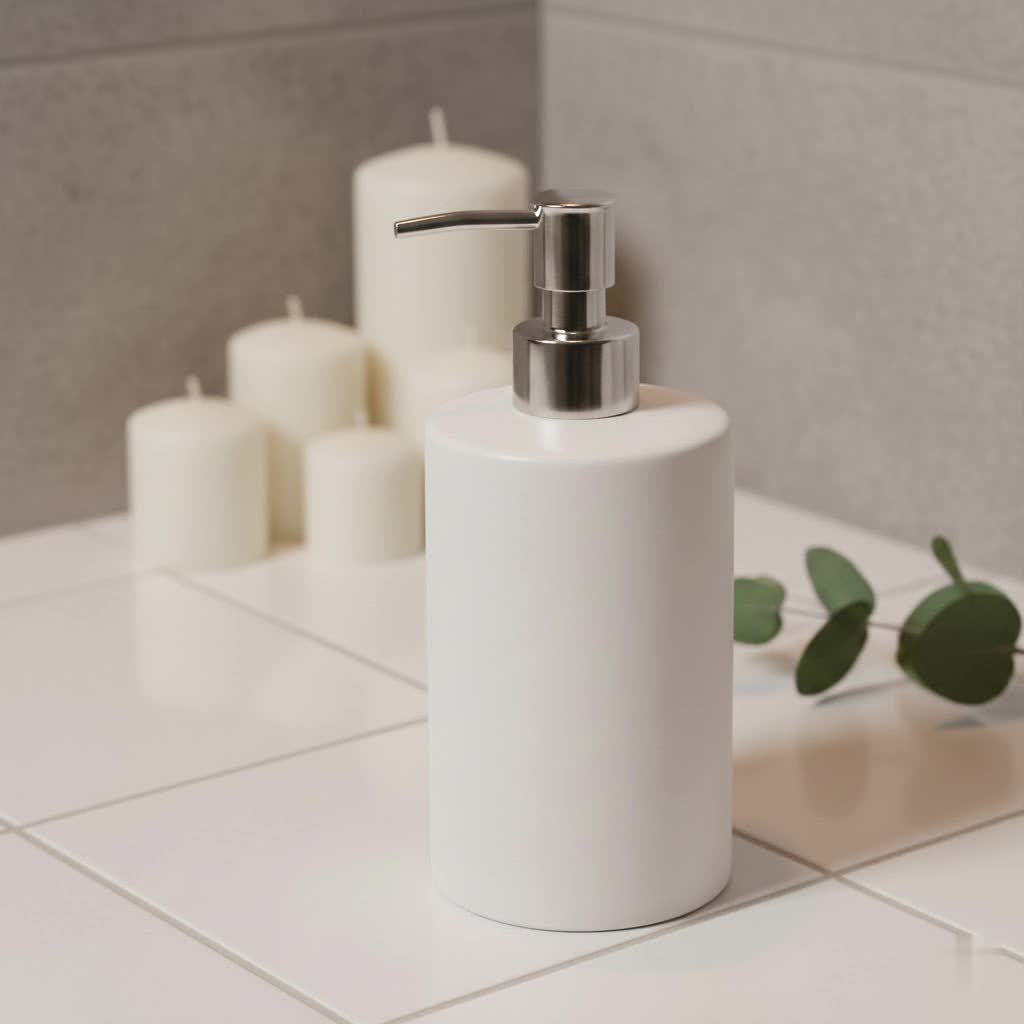
In the realm of modern home aesthetics and hygiene, few items blend utility with style quite as seamlessly as the countertop soap dispenser. Once a mere functional object, today’s soap dispensers have transformed into essential design elements that enhance both kitchen and bathroom spaces. They not only keep your hands clean but also reduce clutter and introduce a touch of elegance to your daily routine. This comprehensive guide will explore everything you need to know about selecting, using, and maintaining the perfect countertop soap dispenser for your home.
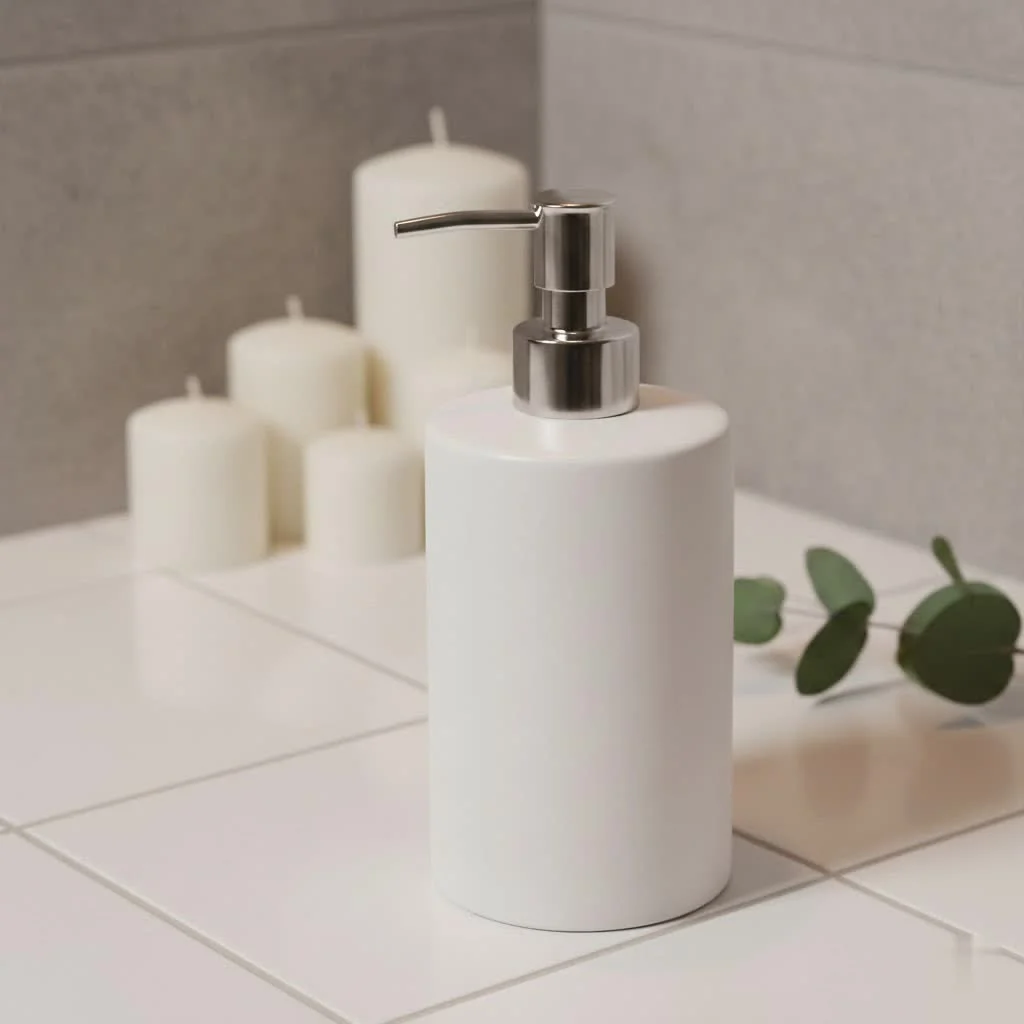
Countertop Soap Dispensers: An Overview and Evolution
A countertop soap dispenser is a freestanding unit designed to sit directly on your kitchen or bathroom counter, providing easy access to liquid soap or lotion. Its primary role is to promote good hygiene by offering a convenient and contained way to dispense soap, thereby minimizing the spread of germs often associated with traditional bar soap or unsightly plastic bottles. For expert home reviews on this site.
The journey of the soap dispenser has seen remarkable evolution. From rudimentary designs to the sleek, sophisticated models available today, these devices have adapted to changing needs for sanitation and aesthetics. Early versions were often simple pump mechanisms attached to refillable containers. Over time, advancements brought forth a diverse range of materials, improved pump technologies, and the introduction of automated, touchless systems, reflecting a growing demand for both practicality and refined design in household items. While various types exist, including wall-mounted and integrated options, countertop dispensers remain a popular choice for their portability and ease of installation.
Popular Countertop Soap Dispenser Types on the Market
The market offers a rich variety of countertop soap dispensers, each designed to cater to different preferences and functional needs. Understanding the distinctions between these types is crucial for making an informed choice that best suits your lifestyle.
Manual Pump Dispensers
Manual pump dispensers are the classic and most widely recognized type of countertop soap dispenser. They operate with a simple push-down mechanism that dispenses a measured amount of soap. These dispensers are celebrated for their straightforward design and reliability, requiring no batteries or external power. Their affordability and the wide range of styles and materials make them a versatile option for any home. They are also highly compatible with various liquid soap viscosities. However, manual operation means direct physical contact, which can raise concerns about cross-contamination in high-traffic environments.
Automatic (Touchless) Dispensers
Embodying modern convenience and hygiene, automatic soap dispensers feature motion sensors that detect a hand placed beneath the nozzle, dispensing soap without any physical contact. This touchless operation is a significant advantage, particularly in kitchens where hands might be messy or in bathrooms where minimizing germ spread is a priority. Automatic dispensers often offer adjustable soap volume settings, ensuring precise usage and reducing waste. While generally more expensive than their manual counterparts and requiring batteries or a power source, their enhanced hygiene benefits and sleek, futuristic aesthetic appeal to many homeowners seeking an elevated experience.
Foaming Soap Dispensers
|
Our Picks for the Best Soap Dispenser in 2026
As an Amazon Associate I earn from qualifying purchases.
|
||
| Num | Product | Action |
|---|---|---|
| 1 | Clear Soap Dispenser with Rust Proof Pump, Waterproof Labels (2 Pack,16 Oz), Plastic Hand Soap Dish Soap Dispenser for Kitchen Bathroom |

|
| 2 | JASAI 2PACK 18 Oz Glass Soap Dispenser with Rust Proof Stainless Steel Pump, Refillable Hand Soap Dispenser with Vertical Stripe, Premium Bathroom soap Dispenser for Kitchen & Bathroom |
|
| 3 | Small Soap Dispenser for Bathroom and Kitchen, Modern Farmhouse Striped Style Plastic Hand Soap Dish Soap Dispenser with Pump Matte Black |
|
| 4 | OXO Good Grips Soap Dispenser - 10 oz |
|
| 5 | OXO Good Grips Stainless Steel Soap Dispenser, Kitchen and Bathroom Accessories |
|
| 6 | JASAI 18Oz Green Glass Soap Dispenser with Gold Rust Proof Pump, Refillable Kitchen soap Dispenser for Dish Soap, Soap Dispenser Bathroom for Hand soap, Lotion, Body Wash. |
|
| 7 | Automatic Soap Dispenser, Touchless Dish Soap Dispenser 17oz/500ml with Infrared Sensor, 5 Adjustable Soap Levels, Liquid Dispenser for Bathroom Kitchen (Silver) |
|
| 8 | simplehuman 8 oz. Touch-Free Sensor Liquid Soap Pump Dispenser with Soap Sample, Brushed Nickel |
|
| 9 | AIKE 15fl.oz Liquid Soap Dispenser for Dish and Hand Soap Matte Black |
|
| 10 | Aunmaon Automatic Soap Dispenser Touchless, Hands-Free, Multi Adjustable Volume, Long Battery Life, Compatible with Thick & Thin Dish/Hand Soap for Bathroom and Kitchen, Easy for Toddlers, Black |
|
Foaming soap dispensers, whether manual or automatic, are a distinct category that offers an aerated lather. These dispensers mix liquid soap with air to produce a rich, luxurious foam, which can be particularly enjoyable for handwashing. A key benefit of foaming dispensers is their efficiency; they typically use less soap per pump compared to liquid dispensers, leading to savings over time. However, they require either specially formulated foaming soap or a carefully diluted liquid soap solution to function correctly. Their soft, airy lather makes them a favorite for both adults and children, encouraging more frequent handwashing.
Detailed Comparison of Countertop Soap Dispenser Types
To help you weigh your options, here’s a comparative look at the most common countertop soap dispenser types based on several key criteria:
| Feature | Manual Pump Dispenser | Automatic (Touchless) Dispenser |
|---|---|---|
| Price | Generally more affordable | Higher initial cost, plus battery replacement |
| Hygiene | Requires physical contact, potential for germ transfer | Touchless operation, minimizes cross-contamination |
| Convenience | Simple push-and-pump action | Hands-free, ideal for messy hands, quick dispensing |
| Aesthetics | Wide range of designs, classic and traditional styles | Often modern, sleek, and minimalist |
| Maintenance | Simple cleaning, no battery checks | Requires battery changes, sensor cleaning, potentially more complex internal mechanisms |
| Soap Type | Compatible with most liquid soaps | Usually designed for specific liquid or foaming soaps |
Guide to Choosing the Right Countertop Soap Dispenser
Selecting the ideal countertop soap dispenser goes beyond just picking a pretty bottle. It involves considering your lifestyle, aesthetic preferences, and practical needs.
Assess Your Needs
Before diving into options, take a moment to consider how and where the dispenser will be used. Will it primarily dispense hand soap in a busy family bathroom, or dish soap next to a kitchen sink? The number of people using it and the frequency of use will influence the ideal capacity. For high-traffic areas, a larger capacity dispenser means fewer refills. Consider whether a manual or automatic model aligns best with your hygiene priorities and convenience expectations.
Material Selection
The material of your soap dispenser significantly impacts its durability, appearance, and ease of care.
- Plastic: Lightweight, affordable, and available in countless colors and designs. Ideal for households with children due to its shatterproof nature, though it may wear out or stain faster than other materials.
- Stainless Steel: Offers a modern, sleek aesthetic and excellent durability. Rust-resistant and easy to wipe clean, making it a popular choice for contemporary kitchens and bathrooms. Some models can be prone to fingerprints and watermarks.
- Glass: Provides an elegant, sophisticated look. Amber glass, in particular, can protect natural soap formulas from light degradation, extending their lifespan. While sturdy, glass dispensers require careful handling to prevent breakage, making them less suitable for homes with young children.
- Ceramic: Adds a classic, often artisanal touch to any space. Ceramic dispensers are durable but can be fragile if dropped.
- Other Materials: Resin, marble, and concrete dispensers are also available, offering unique textures and high-end finishes for specific decor themes.
Consider Style and Design
Your countertop soap dispenser should complement the existing decor of your kitchen or bathroom. Whether your space boasts a minimalist modern, rustic farmhouse, traditional, or eclectic style, there’s a dispenser design to match. Look for colors, finishes, and shapes that harmonize with your faucets, tiles, and other accessories. A well-chosen dispenser can serve as a subtle accent or a standout piece, enhancing the overall visual appeal of your countertop.
Evaluate Capacity and Refill Ease
The capacity of a soap dispenser varies widely. For an average household, a 500ml (18oz) capacity often strikes an ideal balance, providing enough soap to reduce frequent refilling without appearing overly bulky. Ease of refilling is another practical consideration. Dispensers with wide openings or those designed for top-fill without needing to dismantle the unit entirely offer a much more user-friendly experience, minimizing spills and mess.
Pump Quality
The pump mechanism is the heart of any soap dispenser. A high-quality pump should feel sturdy and operate smoothly, dispensing soap consistently without clogging or leaking. For manual dispensers, test the pump action to ensure it’s comfortable to use. For automatic models, a reliable sensor and efficient motor are key to a frustration-free experience. Investing in a dispenser with a well-constructed pump will ensure lasting performance and reduce the likelihood of premature failure.
Top 5 Countertop Soap Dispensers for Your Home
While specific models and prices fluctuate, certain types of countertop soap dispensers consistently earn high praise for their design, durability, and functionality. Here are five categories that represent top choices for various home needs:
- Durable Stainless Steel Manual Pump: Ideal for busy kitchens, these dispensers offer a sturdy, rust-resistant body and a robust pump mechanism designed for frequent use with either hand soap or dish soap. Their sleek, industrial look fits modern decor seamlessly.
- Elegant Glass Automatic Dispenser: Combining the best of both worlds, these units feature sophisticated glass bodies (often amber to protect soap) and touchless, sensor-activated pumps. They offer superior hygiene and a high-end aesthetic for bathrooms and kitchens alike.
- Rustic Ceramic or Stoneware Set: For those who prefer a more traditional or farmhouse aesthetic, coordinated sets made from ceramic or stoneware provide a charming, handcrafted look. These often come with matching trays or lotion dispensers to create a cohesive vanity display.
- High-Capacity Foaming Dispenser: A practical choice for families or eco-conscious users, these dispensers are designed to create a rich lather while minimizing soap consumption. Available in various materials, they are appreciated for their efficiency and the luxurious feel of the foam.
- Compact & Stylish Plastic Dispenser: Perfect for smaller spaces, kids’ bathrooms, or anyone prioritizing durability over fragile materials. Modern plastic dispensers come in surprisingly chic designs and a broad spectrum of colors, proving that practicality doesn’t have to sacrifice style.
How to Use and Maintain Your Countertop Soap Dispenser Correctly
Proper use and regular maintenance are essential for maximizing the lifespan and performance of your countertop soap dispenser. A little care goes a long way in keeping it hygienic and functioning smoothly.
How to Refill Your Dispenser
Refilling a soap dispenser can sometimes lead to spills if not done carefully. To prevent mess, first, gently remove the pump mechanism from the bottle. If your dispenser has a narrow opening, a small funnel is your best friend, guiding the liquid soap smoothly into the reservoir. Avoid overfilling the bottle; leave a small space at the top to prevent overflow when you reinsert the pump. Before securing the pump back in place, wipe the bottle neck clean with a damp cloth to remove any residue that could interfere with the seal or lead to future buildup.
Cleaning and Maintenance Tips
Maintaining a clean dispenser is vital for preventing bacterial growth and ensuring optimal functionality.
- Regular Exterior Cleaning: Wipe down the exterior of your dispenser regularly with a damp cloth and mild soap, then rinse and dry with a soft cloth to prevent water spots and keep it looking pristine.
- Deep Cleaning the Bottle: If you notice soap film or cloudiness inside a glass or clear plastic dispenser, fill it with warm water and a splash of white vinegar. Let it sit for an hour, then rinse thoroughly.
- Cleaning the Pump Mechanism: Over time, soap residue can build up inside the pump, causing it to stiffen or clog. Remove the pump and soak it in warm, soapy water for 10-15 minutes. While submerged, pump it a few times to flush out stubborn residue. For persistent mineral buildup, gently scrub with a soft brush. Rinse thoroughly before reassembling. For built-in dispensers, you may need to pull the spout up and clean the pump/straw underneath.
- Soap Consistency: Ensure you use the correct type of soap for your dispenser. Foaming dispensers require specific foaming soap or diluted liquid soap, while thicker gels can sometimes clog standard pumps.
- Avoid Extreme Temperatures: For glass dispensers, avoid sudden temperature changes, which can cause thermal shock and lead to cracking.
Following these simple steps will ensure your countertop soap dispenser remains a reliable and attractive feature in your home for years to come.
Conclusion
A well-chosen countertop soap dispenser is more than just a container for soap; it’s a testament to thoughtful design and a commitment to hygiene in your home. From enhancing cleanliness and reducing clutter to adding a distinctive aesthetic touch, the benefits are clear. By considering the various types, materials, designs, and essential maintenance practices, you can confidently select a dispenser that perfectly aligns with your practical needs and personal style. Make the switch today and transform a simple act of handwashing into a moment of effortless grace and refined living.
What aspect of your daily routine could benefit most from a stylish and efficient countertop soap dispenser?
Frequently Asked Questions
What is the best material for a countertop soap dispenser?
The “best” material depends on your priorities. Stainless steel is durable and modern, glass offers elegance but is fragile, and plastic is affordable and kid-friendly. Ceramic provides a classic touch. Consider your decor, usage, and household environment when choosing.
Can I use any liquid soap in an automatic dispenser?
Not always. Automatic dispensers are often designed for specific liquid soap consistencies or foaming soaps. Using overly thick soap can lead to clogs, while overly thin soap might result in watery dispenses. Always check the manufacturer’s recommendations for optimal performance.
Cooking gear we tested in our own kitchens
Free PDF — preheat times measured on 10 popular air fryers.
