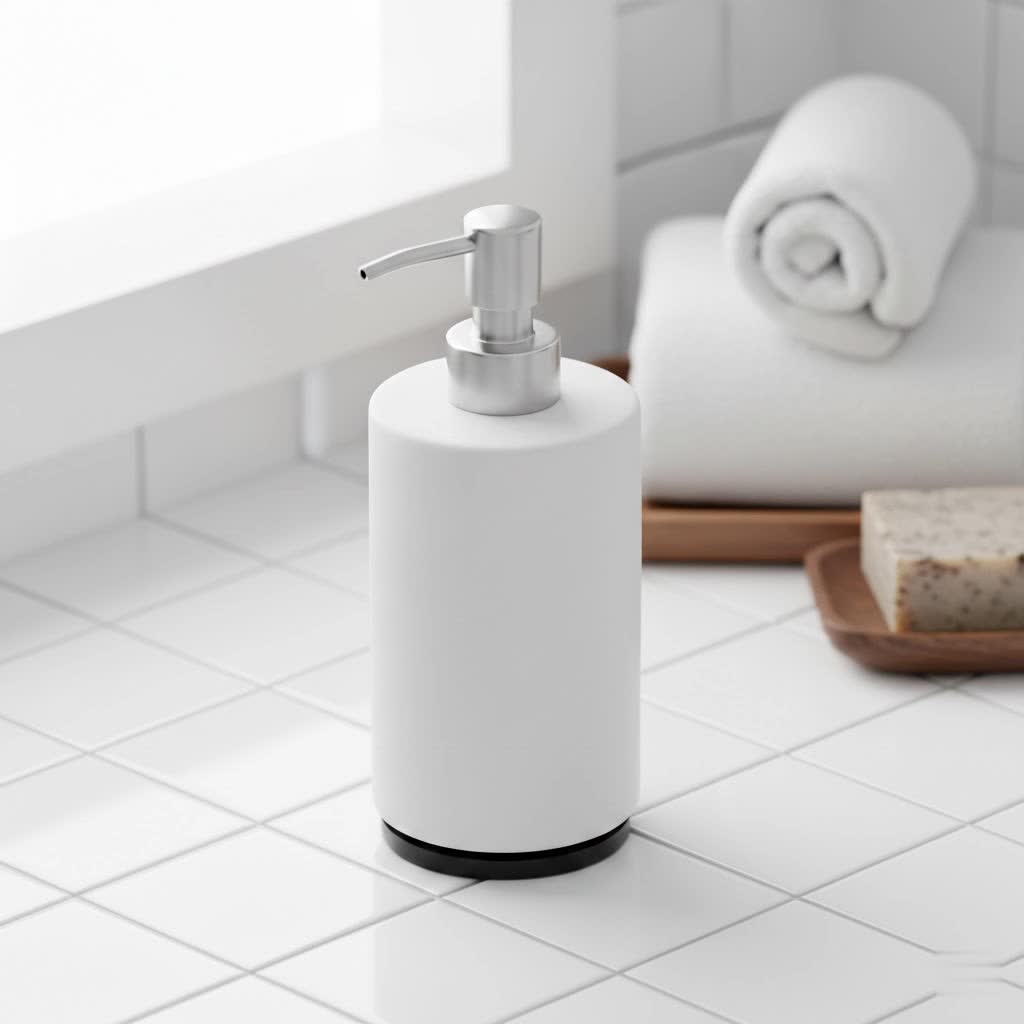
In the pursuit of a harmonious home, every detail matters. Even the humble soap dispenser, often overlooked, plays a crucial role in both the functionality and aesthetic appeal of your bathroom or kitchen. Far beyond mere utility, a thoughtfully chosen dispenser can elevate a space, infusing it with character and style. Among the myriad options available, the ceramic soap dispenser stands out as a timeless choice, offering a unique blend of elegance, durability, and practical charm. If you’re looking to enhance your daily routines with a touch of sophisticated design and enduring quality, understanding the world of ceramic soap dispensers is your first step. This comprehensive guide will navigate you through their distinct characteristics, myriad benefits, and essential considerations, helping you select the perfect piece to complement your personal style and functional needs.
The Enduring Appeal of Ceramic Soap Dispensers: Overview and Evolution
A soap dispenser, at its core, is designed to provide convenient access to liquid soap, whether for handwashing, dishwashing, or other cleaning tasks. Its role has evolved significantly over time, from basic functionality to becoming an integral part of interior design. Early versions were often simple manual pumps or built-in units, but as aesthetic awareness grew, so did the demand for dispensers that were both practical and visually pleasing.
Ceramic soap dispensers represent a harmonious blend of form and function, embodying centuries of craftsmanship with modern design sensibilities. While manual and automatic soap dispensers, as well as wall-mounted and countertop variations, all serve the same fundamental purpose, ceramic predominantly features in the manual, countertop category due to its weight and decorative nature. However, advancements in design also allow for stylish ceramic wall-mounted or even automatic models, catering to a wide range of preferences and functional requirements. Their presence signals a commitment to quality and a desire for elements that contribute to a refined living environment.
Diving Deeper into Ceramic: Types and Their Characteristics
The term “ceramic” encompasses a variety of clay-based materials, each with unique properties that influence the final look, feel, and durability of a soap dispenser. Understanding these types can help you appreciate the craftsmanship and make an informed choice.
- Earthenware: This is a porous ceramic fired at lower temperatures. While it offers a rustic charm and is easily molded into intricate designs, it often requires a glaze to be waterproof. Earthenware dispensers are typically more affordable but may be less durable than other ceramic types.
- Stoneware: Known for its robust nature, stoneware is fired at higher temperatures (often exceeding 1,200°C or 2,200°F). This high-firing process creates a vitrified, non-porous surface that is highly resistant to water absorption, making it exceptionally durable and long-lasting. Many stoneware dispensers feature an enamel coating, imparting a glossy finish and further enhancing their resilience. This type is a popular choice for soap dispensers due to its balance of strength and aesthetic versatility.
- Porcelain: Fired at even higher temperatures, porcelain is dense, non-porous, and exceptionally strong. It is characterized by its smooth, often translucent white appearance, making it ideal for elegant and refined designs. Porcelain soap dispensers exude a luxurious feel but can be more delicate in terms of impact resistance than stoneware.
- Bone China: A type of porcelain that includes bone ash, bone china is renowned for its exceptional whiteness, translucence, and delicate yet strong quality. Dispensers made from bone china are often associated with high-end, classic aesthetics.
The firing process and the application of glazes are crucial for ceramic durability and appearance. A well-fired and properly glazed ceramic dispenser will have a seamless, water-resistant surface that not only looks beautiful but also prevents the accumulation of bacteria and resists staining.
The Advantages and Considerations of Ceramic Soap Dispensers
Choosing a ceramic soap dispenser offers a multitude of benefits, alongside a few considerations to .
Advantages:
|
Our Picks for the Best Soap Dispenser in 2026
As an Amazon Associate I earn from qualifying purchases.
|
||
| Num | Product | Action |
|---|---|---|
| 1 | simplehuman 8 oz. Touch-Free Sensor Liquid Soap Pump Dispenser with Soap Sample, Brushed Nickel |

|
| 2 | JASAI 2PACK 18 Oz Glass Soap Dispenser with Rust Proof Stainless Steel Pump, Refillable Hand Soap Dispenser with Vertical Stripe, Premium Bathroom soap Dispenser for Kitchen & Bathroom |
|
| 3 | Small Soap Dispenser for Bathroom and Kitchen, Modern Farmhouse Striped Style Plastic Hand Soap Dish Soap Dispenser with Pump Matte Black |
|
| 4 | AIKE 15fl.oz Liquid Soap Dispenser for Dish and Hand Soap Matte Black |
|
| 5 | Clear Soap Dispenser with Rust Proof Pump, Waterproof Labels (2 Pack,16 Oz), Plastic Hand Soap Dish Soap Dispenser for Kitchen Bathroom |
|
| 6 | OXO Good Grips Stainless Steel Soap Dispenser, Kitchen and Bathroom Accessories |
|
| 7 | JASAI 18Oz Green Glass Soap Dispenser with Gold Rust Proof Pump, Refillable Kitchen soap Dispenser for Dish Soap, Soap Dispenser Bathroom for Hand soap, Lotion, Body Wash. |
|
| 8 | OXO Good Grips Soap Dispenser - 10 oz |
|
| 9 | Aunmaon Automatic Soap Dispenser Touchless, Hands-Free, Multi Adjustable Volume, Long Battery Life, Compatible with Thick & Thin Dish/Hand Soap for Bathroom and Kitchen, Easy for Toddlers, Black |
|
| 10 | Automatic Soap Dispenser, Touchless Dish Soap Dispenser 17oz/500ml with Infrared Sensor, 5 Adjustable Soap Levels, Liquid Dispenser for Bathroom Kitchen (Silver) |
|
- Aesthetic Versatility and Elegance: Ceramic dispensers are celebrated for their ability to add a touch of sophistication and charm to any setting. Available in an astonishing array of designs, from minimalist and modern to intricate and hand-painted, they can seamlessly integrate with or become a focal point of your interior decor. The variety of glazes—be it raw, shiny, or matte—and the possibility of unique textures allow for personalization that other materials often cannot match.
- Exceptional Durability and Longevity: When properly cared for, high-quality ceramic, especially stoneware, is a sturdy material resistant to everyday wear and tear. Unlike plastic, which can discolor, warp, or degrade over time due to moisture, cleaning chemicals, or UV exposure, ceramic maintains its beautiful finish for years, even decades. This inherent durability makes them a more eco-friendly choice, reducing the need for frequent replacements.
- Stability and Weight: The inherent weight of ceramic makes these dispensers less prone to tipping over, a significant advantage in busy households or areas prone to accidental bumps. This stability contributes to a more secure and mess-free experience.
- Non-Toxic and Sustainable Choice: Many ceramic dispensers are crafted from natural, non-toxic materials, making them a safe option for your home and family. Their long lifespan further supports sustainability by minimizing waste compared to less durable alternatives.
Potential Considerations:
- Fragility and Breakability: Despite their durability, ceramic dispensers are inherently breakable. A hard fall onto a tiled floor can result in chips or cracks. This is a crucial factor if you have young children or a household where items are frequently dropped.
- Weight and Portability: While stability is a benefit, the weight of ceramic can be a drawback if you frequently need to move the dispenser or prefer a lightweight option for certain high-traffic areas.
- Initial Cost: Ceramic soap dispensers often have a higher upfront cost compared to their plastic counterparts. However, their longevity and aesthetic value often make them a worthwhile long-term investment.
Essential Factors When Choosing Your Ceramic Soap Dispenser
Selecting the perfect ceramic soap dispenser involves more than just picking a pretty design. Consider these factors to ensure it meets both your aesthetic desires and functional requirements.
Understanding Your Usage Needs:
First, consider where the dispenser will be placed. A kitchen dispenser might need to withstand more rigorous use and potentially harsher dish soaps than one in a guest bathroom. Evaluate the frequency of use and the number of people who will be using it. For high-traffic areas, a more robust design might be preferable.
Material Quality and Finish:
While all ceramic has its merits, opting for high-fired ceramics like stoneware often guarantees superior durability and water resistance. Pay attention to the glaze: a seamless, high-quality glaze not only enhances the dispenser’s appearance but also protects it from moisture and bacteria. Finishes can range from raw, earthy textures to sleek, shiny surfaces or contemporary matte looks.
Style and Design Integration:
The beauty of ceramic lies in its vast design possibilities. Choose a style that complements your existing interior décor. A minimalist, clean-lined design might suit a modern bathroom, while a hand-painted or uniquely shaped dispenser could be perfect for a farmhouse kitchen or a more eclectic space. Colors and patterns should harmonize with your palette or provide a striking contrast as a deliberate design choice.
Pump Mechanism Types:
The pump is a critical component influencing user experience.
- Standard (Non-Foaming) Pumps: These are the most common, dispensing liquid soap directly. They are versatile and work with a wide range of liquid soaps, lotions, and sanitizers.
- Foaming Pumps: These pumps mix liquid soap with air to create a rich, airy foam. They are highly efficient, using less soap per pump, and offer a gentler, more luxurious feel on the skin. Foaming dispensers also tend to be less messy due to the nature of the foam. Consider a foaming pump if soap conservation and a pleasant lather are priorities.
Brand Reputation and Value:
Invest in a ceramic dispenser from a reputable brand or artisan known for quality craftsmanship. Read customer reviews to gauge the product’s durability and pump reliability. While price is a factor, that a higher initial investment often translates to a longer-lasting, more aesthetically pleasing product that adds lasting value to your home.
Popular Ceramic Soap Dispenser Styles Today
The market for ceramic soap dispensers is vibrant, reflecting diverse tastes and interior design trends. Instead of specific product names, here are some popular styles and features you’ll find today:
- Minimalist Modern: Characterized by clean lines, simple shapes (cylindrical, rectangular, spherical), and often a single, understated color or matte finish. These blend seamlessly into contemporary spaces.
- Farmhouse Chic: Embracing rustic charm, these dispensers might feature distressed glazes, embossed textures, or classic white and cream hues. They often pair well with natural wood and vintage elements.
- Artistic and Handmade: Many artisans create unique, one-of-a-kind ceramic dispensers with hand-painted designs, unique glazes, or sculptural forms, making them true works of art.
- Themed and Novelty: From elegant marble patterns to playful animal shapes, themed ceramic dispensers add personality and can be a fun accent in children’s bathrooms or quirky kitchens.
- Integrated Solutions: Some ceramic dispensers come as part of a set with matching trays, toothbrush holders, or even integrated sponge holders for kitchen sinks, offering a cohesive look and enhanced functionality.
Maintaining Your Ceramic Soap Dispenser for Lasting Beauty
Proper care and maintenance are key to preserving the beauty and functionality of your ceramic soap dispenser for years to come.
Regular Cleaning Routine:
For everyday cleanliness, simply wipe down the exterior of your ceramic dispenser with a soft cloth dampened with warm water and a mild dish soap. This prevents soap residue from building up and keeps the surface sparkling. Regular cleaning is crucial not only for aesthetics but also for hygiene, preventing germ accumulation on the pump and body.
Tackling Stubborn Buildup and Clogs:
Over time, soap scum or mineral deposits can accumulate, especially around the pump mechanism, potentially leading to clogs or reduced performance.
- Vinegar Solution: For stubborn soap scum and limescale, empty the dispenser and fill it with a solution of equal parts warm water and white vinegar. Allow it to soak for a few hours, then use a small brush (like an old toothbrush) to gently scrub the interior and pump mechanism. Rinse thoroughly with warm water.
- Baking Soda Paste: Alternatively, a paste made from baking soda and warm water can be used for scrubbing tough spots.
- Pump Disassembly: For a deep clean, carefully disassemble the pump mechanism if possible (refer to manufacturer instructions). Clean each component with warm, soapy water, ensuring all internal passages are clear.
- Prevention: Avoid using harsh chemical cleaners, abrasive pads, or scouring agents, as these can damage the ceramic’s glaze or finish. To prevent clogging, especially with thicker soaps, consider diluting your liquid soap with a small amount of water (a 70/30 soap-to-water ratio is often recommended). Also, steer clear of soaps with exfoliating beads or glitter, as these can easily clog the pump mechanism.
> “A well-maintained ceramic soap dispenser isn’t just a functional item; it’s a statement piece that reflects attention to detail and a commitment to quality in your home.” – Alex Chen, Interior Design Consultant
Conclusion
The ceramic soap dispenser is more than a simple accessory; it’s an investment in enduring style and practical elegance for your home. With its remarkable durability, inherent stability, and unparalleled aesthetic versatility, a ceramic dispenser can transform an ordinary necessity into a design highlight in your bathroom or kitchen. By understanding the different types of ceramic, weighing their advantages and considerations, and committing to proper care, you can select a piece that not only meets your functional needs but also brings a touch of timeless sophistication to your daily life. Ready to upgrade your home? Consider the lasting beauty and robust performance of a ceramic soap dispenser. How will you let ceramic artistry enhance your personal sanctuary?
Frequently Asked Questions
What makes ceramic soap dispensers durable?
Ceramic soap dispensers are durable primarily due to the high-temperature firing process that vitrifies the clay, making it non-porous and resistant to water absorption. Stoneware, in particular, is known for its robustness, maintaining structural integrity and finish for many years, unlike less resilient materials that may degrade over time.
Can ceramic soap dispensers break easily?
While ceramic is durable, it is also inherently fragile and can break or chip if dropped on a hard surface. They are generally more resistant to wear and tear than plastic but are not impact-proof. It’s important to handle them with care, especially in homes with active children or pets.
How do I clean a ceramic soap dispenser?
For routine cleaning, use warm water and a mild dish soap with a soft cloth. For stubborn soap scum or clogs, a solution of equal parts white vinegar and water can be used to soak the dispenser and pump, followed by gentle scrubbing with a brush. Avoid abrasive cleaners or pads to protect the glaze.
Are ceramic soap dispensers suitable for all types of soap?
Ceramic dispensers are generally suitable for most liquid hand soaps, dish soaps, lotions, and sanitizers. However, it’s best to avoid very thick soaps or those containing exfoliating beads or glitter, as these can clog the pump mechanism over time. Diluting thick soaps slightly can help prevent clogs.
What are the aesthetic benefits of ceramic dispensers?
Ceramic dispensers offer significant aesthetic benefits due to their wide range of designs, colors, textures, and glazes. They can add elegance, charm, and a personalized touch to any space, easily complementing various interior styles from modern minimalist to rustic farmhouse or classic luxury, making them a versatile decorative element.
Cooking gear we tested in our own kitchens
Free PDF — preheat times measured on 10 popular air fryers.
