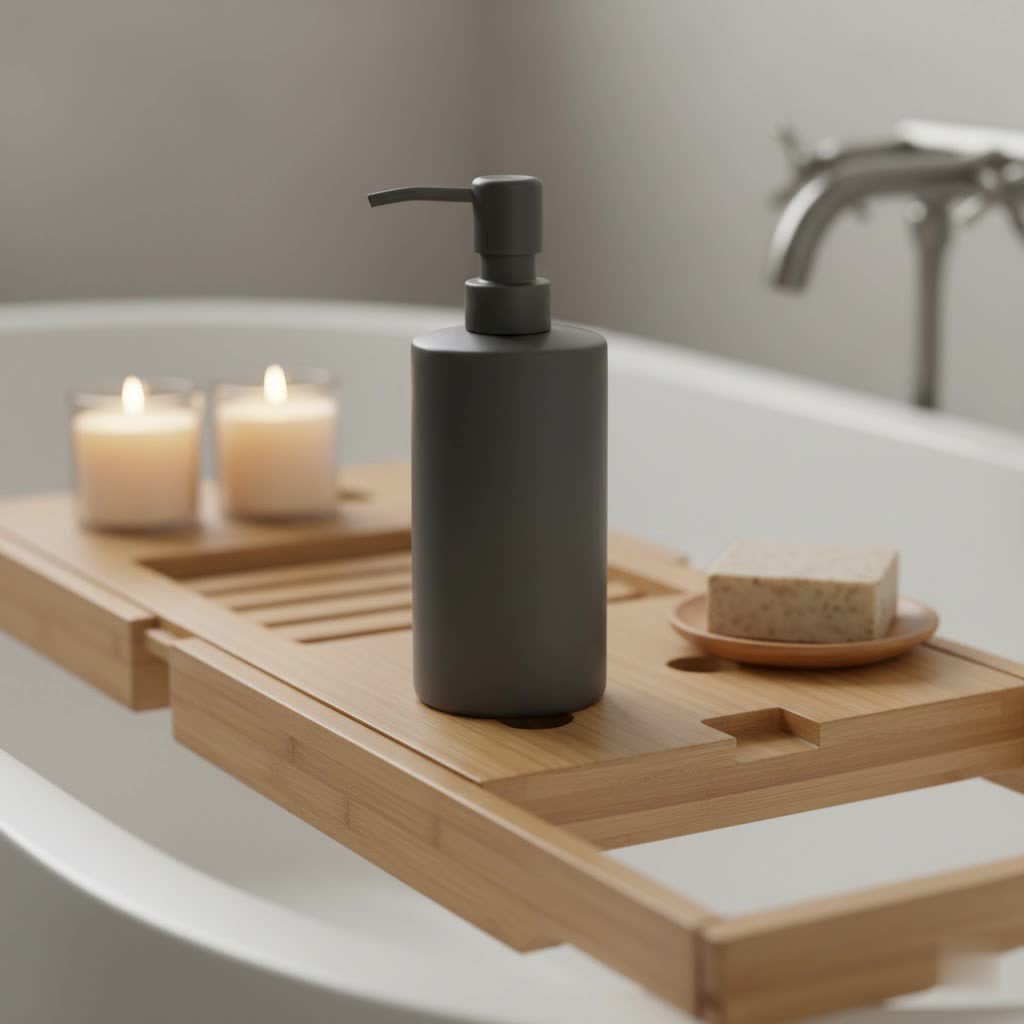
In an era of fleeting trends, the allure of an antique soap dispenser remains steadfast, offering a delightful blend of history, artistry, and everyday utility. These pieces are far more than mere containers for soap; they are miniature works of art that imbue any space with character and charm. Whether you’re drawn to the ornate elegance of a bygone era or the simple, rustic appeal of vintage design, an antique soap dispenser can transform a mundane necessity into a captivating decorative accent. Choosing the right one allows you to tell a story through your decor, adding a layer of sophistication and personal flair that contemporary designs often struggle to capture.
Antique Soap Dispensers: Overview and Historical Journey
The humble soap dispenser, often an overlooked fixture in our daily routines, boasts a surprisingly rich history intertwined with evolving hygiene practices and design innovations. Its journey began long before liquid soap became a household staple. Early hand pump soap dispensers emerged in the early 1800s, primarily for use in commercial and institutional settings like hospitals, aiming to provide a more sanitary alternative to shared bar soap. These initial designs, however, were frequently hampered by the thick, early soap formulations that caused frustrating clogs. For more home guides on this site.
A pivotal moment arrived in 1865 with the patenting of liquid soap, which significantly enhanced the practicality of pump dispensers. While still confined mostly to commercial environments, the thinner consistency of liquid soap made these devices far more user-friendly. Further advancements saw Cuda Back patenting a liquid soap dispensing device with a glass container and spigot in 1920, followed by William Shepard’s game-changing plastic bottle with a pump mechanism in 1948, paving the way for the modern designs we recognize today. It wasn’t until the 1980s, driven by companies like Minnetonka Corporation, that liquid soap hand pumps truly entered the home market, becoming widely accessible. The first automatic soap dispenser, a testament to ongoing innovation, was patented in 1989.
When discussing “antique soap dispensers,” it’s important to clarify the terminology. Strictly speaking, “antique” refers to items generally 100 years or older, while “vintage” typically applies to items between 20 and 99 years old. However, in popular usage, especially within home decor, both terms are often used interchangeably to describe dispensers that possess an old-world aesthetic, whether they are genuine relics or modern reproductions crafted with a historical style. Many available “antique soap dispensers” are contemporary pieces designed to evoke the charm and elegance of earlier eras, featuring classic lines, materials, and finishes.
Popular Styles and Materials in Antique Soap Dispensers
Antique and vintage-style soap dispensers are celebrated for their diverse range of styles and the rich materials that define their enduring appeal. These designs go beyond mere functionality, serving as significant decorative elements that enhance the ambiance of any bathroom or kitchen.
Hand-Pump Dispensers: Enduring Practicality and Charm
|
Our Picks for the Best Soap Dispenser in 2026
As an Amazon Associate I earn from qualifying purchases.
|
||
| Num | Product | Action |
|---|---|---|
| 1 | JASAI 18Oz Green Glass Soap Dispenser with Gold Rust Proof Pump, Refillable Kitchen soap Dispenser for Dish Soap, Soap Dispenser Bathroom for Hand soap, Lotion, Body Wash. |

|
| 2 | OXO Good Grips Soap Dispenser - 10 oz |
|
| 3 | OXO Good Grips Stainless Steel Soap Dispenser, Kitchen and Bathroom Accessories |
|
| 4 | JASAI 2PACK 18 Oz Glass Soap Dispenser with Rust Proof Stainless Steel Pump, Refillable Hand Soap Dispenser with Vertical Stripe, Premium Bathroom soap Dispenser for Kitchen & Bathroom |
|
| 5 | Aunmaon Automatic Soap Dispenser Touchless, Hands-Free, Multi Adjustable Volume, Long Battery Life, Compatible with Thick & Thin Dish/Hand Soap for Bathroom and Kitchen, Easy for Toddlers, Black |
|
| 6 | Automatic Soap Dispenser, Touchless Dish Soap Dispenser 17oz/500ml with Infrared Sensor, 5 Adjustable Soap Levels, Liquid Dispenser for Bathroom Kitchen (Silver) |
|
| 7 | Small Soap Dispenser for Bathroom and Kitchen, Modern Farmhouse Striped Style Plastic Hand Soap Dish Soap Dispenser with Pump Matte Black |
|
| 8 | Clear Soap Dispenser with Rust Proof Pump, Waterproof Labels (2 Pack,16 Oz), Plastic Hand Soap Dish Soap Dispenser for Kitchen Bathroom |
|
| 9 | simplehuman 8 oz. Touch-Free Sensor Liquid Soap Pump Dispenser with Soap Sample, Brushed Nickel |
|
| 10 | AIKE 15fl.oz Liquid Soap Dispenser for Dish and Hand Soap Matte Black |
|
The hand-pump mechanism is synonymous with classic soap dispensers and remains the most prevalent style, both historically and in contemporary vintage-inspired pieces. Their timeless design is characterized by a simple yet effective manual press mechanism.
- Advantages: User-friendly, reliable, no need for batteries or electricity, wide variety of aesthetic choices.
- Disadvantages: Requires physical touch, potential for drips if not well-designed.
- Applications: Ideal for kitchen sinks for dish soap, bathroom vanities for hand soap, or even as decorative lotion dispensers.
Wall-Mounted Dispensers: A Nod to Public Hygiene
Historically, wall-mounted soap dispensers were a hallmark of public washrooms and industrial settings, valued for their durability and space-saving design. While less common in modern homes for liquid soap, antique wall-mounted powder dispensers or liquid dispensers with elaborate brass or ceramic brackets offer a distinct vintage appeal.
- Advantages: Frees up counter space, secure and stable, can be a striking design feature.
- Disadvantages: Permanent installation, requires drilling, less flexible placement.
- Applications: Excellent for adding a touch of industrial or traditional charm to a bathroom, particularly in larger spaces or where countertop real estate is limited.
Powder Soap Dispensers: A Historical Niche
Before the widespread adoption of liquid soap, powdered soap dispensers, such as the “Soapitor” patented in the 1930s, were a practical solution in factories and public facilities. These unique devices dispensed dry, granulated soap and are now rare collectibles.
- Advantages: Historical novelty, unique aesthetic for collectors.
- Disadvantages: Not practical for modern liquid soaps, requires specific powdered soap.
- Applications: Primarily a collector’s item or a unique display piece in a historically themed space.
Unique Materials & Finishes: Crafting the Antique Look
The materials and finishes are crucial in defining an antique soap dispenser’s aesthetic. Common materials include:
- Glass: Often found in clear, amber, or colored varieties, sometimes with fluted, ribbed, or etched patterns, evoking an apothecary or laboratory feel.
- Metal: Brass, bronze, copper, and even chrome are popular, frequently featuring distressed or antique finishes that develop a rich patina over time. These metals offer durability and a weighty, luxurious feel.
- Ceramic and Porcelain: These materials allow for intricate detailing, hand-painted designs, and various glazes, from rustic stoneware to delicate floral patterns.
- Wood: Less common for the body, but wooden accents or bases can be found, adding warmth and natural texture.
- Resin: Modern reproductions often use resin to mimic the look of more expensive materials like stone or ceramic, offering a durable and often more affordable alternative.
“An antique soap dispenser isn’t just about utility; it’s about introducing a piece of history and artistry into your daily routine. The tactile experience of a brass pump or the visual appeal of a hand-painted ceramic adds an irreplaceable element of charm to any home.” – Sarah Jenkins, Interior Design Historian
Why Choose an Antique or Vintage-Style Soap Dispenser?
Choosing an antique or vintage-style soap dispenser offers a multitude of benefits that extend beyond simple functionality, appealing to those who appreciate beauty, history, and sustainable living.
Firstly, the aesthetics and uniqueness are unparalleled. Unlike mass-produced modern dispensers, antique pieces often feature intricate designs, unique materials, and a sense of craftsmanship that speaks volumes. They can serve as a focal point, injecting personality and a story into an otherwise sterile bathroom or kitchen. Imagine a beautifully fluted amber glass dispenser gracing your sink, or a solid brass pump adding a touch of old-world grandeur. These details elevate the space, reflecting a discerning taste for enduring style.
Secondly, for genuine antique items, there’s a strong sustainability aspect. By repurposing or collecting older items, you contribute to a circular economy, reducing demand for new manufacturing and minimizing waste. This mindful approach to consumption resonates with environmentally conscious homeowners.
Finally, an antique soap dispenser helps in adding character and warmth to your home. Modern design often prioritizes minimalism, which, while clean, can sometimes feel cold. Vintage elements introduce a sense of coziness, nostalgia, and individuality. They blend seamlessly with various decor styles, from farmhouse rustic to industrial chic, and even complement a transitional modern interior by providing a grounding, historical anchor. It’s about creating a space that feels lived-in, cherished, and uniquely yours.
Finding Your Perfect Antique Soap Dispenser
Embarking on the quest for the ideal antique soap dispenser involves understanding the market, knowing where to look, and considering key factors to ensure your choice perfectly complements your home.
Genuine Antiques vs. Reproductions: What to Look For
The distinction between a truly antique item and a vintage-style reproduction is crucial for collectors and those seeking authenticity.
- Genuine Antiques/Vintage: These pieces show signs of age, such as natural patina on metal, slight imperfections in glass, or subtle wear that tells a story. Look for maker’s marks, patent dates (if applicable, e.g., “Pat. 1915” on some Chemo glass dispensers), or specific period designs. Items found on eBay or Etsy might be genuine vintage, originating from defunct brands or old estates.
- Reproductions/Vintage-Style: These are newly manufactured items designed to mimic an older aesthetic. They offer the desired look without the potential fragility or high cost of genuine antiques. Retailers like Target, Walmart, and Wayfair often stock “antique glass” or “vintage style” dispensers that are new but evoke an old-world charm.
Where to Buy: Navigating the Market
Your purchasing avenue will often depend on whether you seek authenticity or a specific aesthetic.
- Online Marketplaces:
- eBay & Etsy: Excellent sources for genuine vintage and antique soap dispensers, as well as handmade, unique vintage-inspired pieces. You can find rare items and connect with individual sellers specializing in antiques.
- Dedicated Antique Dealer Websites: Specialized online stores for antiques can offer curated selections and verified authenticity, albeit often at a higher price point.
- Brick-and-Mortar Stores:
- Antique Shops & Flea Markets: Ideal for hands-on inspection, allowing you to assess condition, material, and authenticity in person. You might unearth hidden gems at bargain prices.
- Home Decor Stores (for vintage-style): Major retailers offer a wide selection of new dispensers with antique finishes or classic designs.
Key Considerations: Making an Informed Choice
When selecting your antique soap dispenser, keep these factors in mind:
- Material and Finish: Decide whether you prefer the rustic charm of aged brass, the delicate beauty of fluted glass, or the solid presence of ceramic. Consider how the material will complement your existing bathroom or kitchen fixtures. Unlacquered brass, for instance, will develop a rich patina over time, while chrome offers a brighter, more classic look.
- Style Match: Ensure the dispenser’s aesthetic aligns with your home’s overall decor. A Victorian-era brass dispenser might be out of place in a minimalist Scandinavian bathroom, but perfect for a traditional or eclectic space.
- Pump Quality and Functionality: For functional dispensers, especially for daily use, the pump mechanism is paramount. Ensure it operates smoothly and dispenses soap effectively. If buying a genuine antique, be prepared that the original pump might require restoration or replacement. Some vintage-style dispensers offer modern, rust-proof stainless steel pumps with an antique finish.
- Size and Capacity: Consider where the dispenser will be placed and how much soap it needs to hold. A large, ornate piece might overwhelm a small vanity, while a tiny dispenser might require too frequent refilling for a busy kitchen.
Caring for Your Antique Soap Dispenser
Proper care and maintenance are essential to preserve the beauty and functionality of your antique or vintage-style soap dispenser. Whether it’s a genuine heirloom or a modern reproduction, a little attention goes a long way.
Cleaning: Gentle Methods for Longevity
Regular cleaning prevents soap residue buildup and maintains the dispenser’s luster.
- For Clogged Pumps: If the pump stops working or gets stuck, dried soap is often the culprit. Unscrew the pump head and soak it in warm, soapy water for 10-15 minutes to dislodge any solidified soap. You can also use a small pipe cleaner or toothpick to clear the nozzle and tube openings. For stubborn mineral deposits, a soak in white vinegar can be highly effective.
- For Glass and Ceramic Bodies: Wash with mild soap and warm water. Avoid abrasive cleaners or harsh chemicals that could damage finishes or delicate patterns. Hand washing is generally recommended for intricate or fragile pieces.
- For Metal Components (Brass, Bronze, Copper): Gently wipe with a soft, damp cloth. For genuine antiques with a desired patina, avoid harsh metal polishes that can strip away the aged finish. If a shiny look is preferred for solid metals, use a specialized, non-abrasive metal cleaner sparingly. Be mindful that many “antique” finishes on modern dispensers are coatings that can be damaged by strong cleaners.
- For Resin or Plastic Components: Wipe with a damp cloth and mild soap. These materials are generally robust but can scratch with abrasive cleaning.
Maintenance: Preserving Functionality
Beyond cleaning, occasional maintenance can extend the life of your dispenser.
- Regular Refilling: Avoid letting the dispenser run completely dry, as this can cause residual soap to harden in the pump mechanism.
- Pump Replacement: For older dispensers where the pump mechanism is irreparable or a modern style is preferred, many universal replacement pumps are available in various finishes (e.g., brass, bronze, stainless steel) that can fit antique bottles.
- Handle Fragile Parts with Care: Glass and ceramic bodies can be delicate. Always handle your antique dispenser with care, especially during cleaning and refilling, to prevent chips or cracks.
- Addressing Leaks: If your dispenser is leaking, check for loose connections, particularly with countertop models where the bottle attaches to the pump base. Tightening these components can often resolve minor leaks.
Top Antique Soap Dispenser Styles to Adorn Your Space
Antique soap dispensers come in a delightful array of styles, each offering a distinct aesthetic that can enhance various home décors. Here are five popular antique and vintage-inspired styles that continue to captivate homeowners:
-
Apothecary Glass Dispenser: This style often features dark amber or clear glass bottles, reminiscent of old pharmacy containers, paired with a simple metal pump. They evoke a sense of historical charm and scientific elegance, perfect for a traditional, industrial, or even minimalist bathroom. The glass can be smooth or subtly ribbed, adding texture without being overly ornate.
-
Ornate Brass or Bronze Dispenser: Characterized by intricate detailing, often with scrolled motifs, embossed patterns, or elegant curves, these dispensers exude luxury and grandeur. Typically made from solid brass or bronze with an aged, antique finish, they are ideal for opulent, Victorian-inspired, or classical interior designs, adding a rich, warm metallic accent.
-
Farmhouse Ceramic Dispenser: Rustic and cozy, these dispensers usually feature ceramic or stoneware bodies with a distressed finish, simple glazes, or charming hand-painted designs like floral patterns or classic motifs. They often have a sturdy, weighty feel and are perfect for country, farmhouse, shabby chic, or rustic contemporary kitchens and bathrooms.
-
Industrial Metal Wall-Mounted Dispenser: Drawing inspiration from early 20th-century factories and public facilities, this style often features robust metal construction (e.g., cast iron, brushed steel, or nickel) and a utilitarian, no-nonsense design. Wall-mounted, they save counter space and add an edgy, urban, or industrial touch to a modern loft or a vintage-inspired workshop bathroom.
-
Art Deco Glass Dispenser: Reflecting the glamour and geometric precision of the 1920s and 30s, Art Deco dispensers often feature faceted glass designs, chrome or polished nickel accents, and sleek, streamlined forms. These pieces bring a touch of sophisticated vintage flair, perfect for elegant bathrooms that embrace a sense of historical chic and bold design.
Conclusion
Antique and vintage-style soap dispensers offer a unique opportunity to infuse your living spaces with a blend of historical charm, artistic expression, and practical functionality. From the robust simplicity of industrial designs to the delicate elegance of ornate glass, these pieces transcend their utilitarian purpose to become cherished elements of your home decor. By understanding their history, appreciating their diverse styles and materials, and committing to proper care, you can select a dispenser that not only meets your needs but also tells a story, making every hand wash a moment of aesthetic pleasure.
So, as you consider your next home accent, why not explore the enduring appeal of an antique soap dispenser? Which era’s elegance will you invite into your home?
Frequently Asked Questions
What defines an “antique” soap dispenser versus a “vintage” one?
While both terms describe older items, “antique” typically refers to pieces 100 years or older, showcasing significant historical value and craftsmanship. “Vintage” generally applies to items between 20 and 99 years old, reflecting styles from a specific bygone era. For soap dispensers, however, the terms are often used interchangeably in decor to denote an old-world aesthetic, regardless of strict age.
Can I use liquid soap in a genuine antique powder soap dispenser?
No, genuine antique powder soap dispensers are designed specifically for dry, granulated soap and will not function with liquid soap. Attempting to use liquid soap in them can damage the mechanism and create a mess. If you desire the aesthetic of a powder dispenser, it would be purely for display, or you could seek reproductions adapted for liquid.
How do I prevent my vintage-style soap dispenser pump from rusting?
Many modern vintage-style dispensers come with rust-proof stainless steel pumps, often coated to achieve an antique finish. To prevent rust, especially with older or lower-quality metal pumps, ensure they are regularly cleaned and dried. Avoid leaving standing water around the base of the pump, and use good quality liquid soaps that are less corrosive.
Are antique soap dispensers difficult to clean or maintain?
While some genuine antiques might require delicate handling, most vintage-style dispensers are relatively easy to clean. Regular flushing of the pump with warm water and occasional soaking in diluted vinegar can prevent clogs. For external cleaning, mild soap and a soft cloth are usually sufficient for most materials like glass, ceramic, and treated metals.
Where is the best place to find unique antique soap dispenser designs?
For truly unique and genuine antique designs, specialized online marketplaces like eBay and Etsy, as well as local antique shops, flea markets, and estate sales, are your best bets. These venues offer a wider array of styles, materials, and historical periods compared to mainstream retailers, which tend to carry vintage-style reproductions.
Cooking gear we tested in our own kitchens
Free PDF — preheat times measured on 10 popular air fryers.
