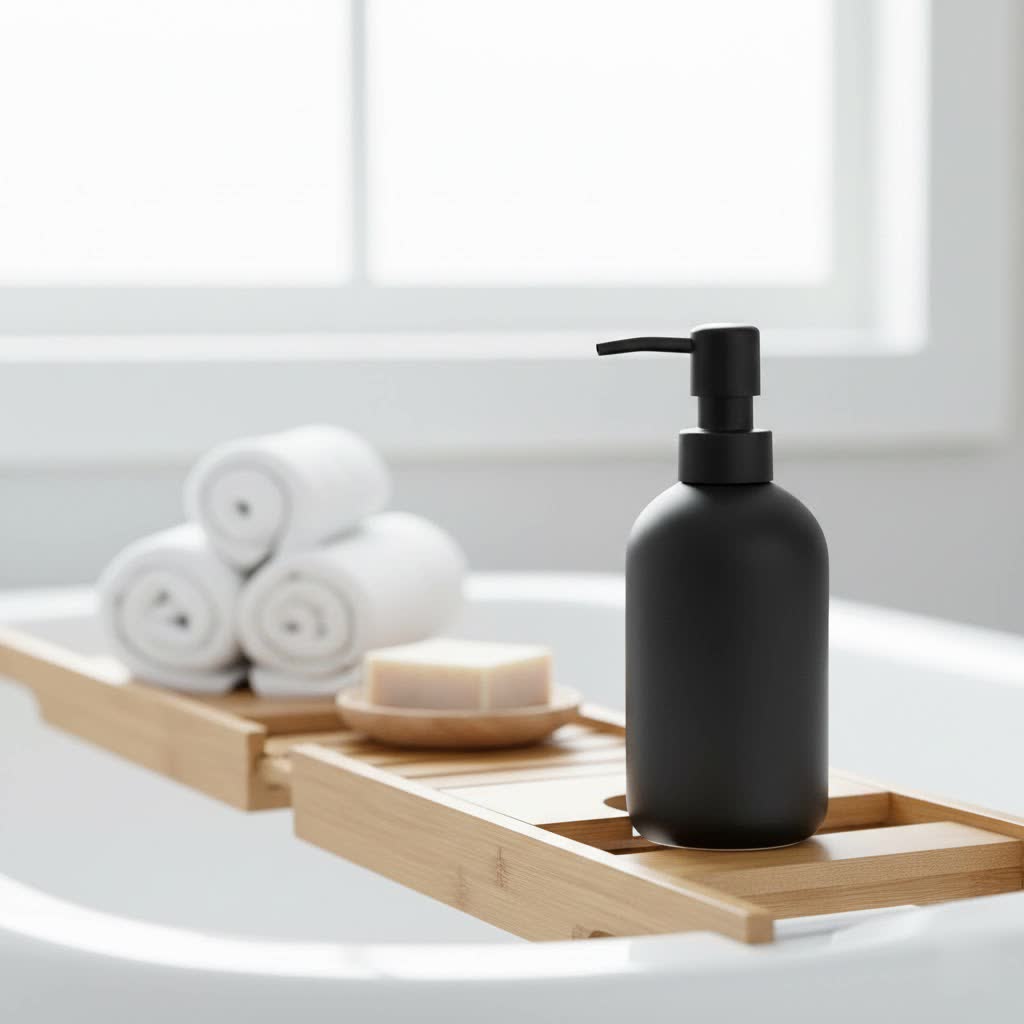
Are you tired of flimsy, unreliable soap dispensers that detract from your home’s aesthetic? Imagine a solution that combines exceptional durability with timeless elegance, enhancing both the functionality and style of your kitchen or bathroom. Stainless Steel Soap Dispensers offer precisely this blend, transforming a mundane necessity into a sophisticated accent. This comprehensive guide will explore everything you need to know about choosing, using, and maintaining the perfect stainless steel soap dispenser to complement your modern lifestyle.
The Evolution of Soap Dispensers: A Journey Through Time and Material
The journey of the soap dispenser reflects a growing emphasis on hygiene and convenience. Historically, solid bar soaps dominated, but the need for more sanitary and efficient dispensing solutions became apparent, particularly in public health settings. The early 1800s saw the advent of hand pump soap dispensers, initially used in hospitals, though often plagued by clogging from thick soap formulas. The patenting of liquid soap in 1865 was a pivotal moment, making these early pump mechanisms far more practical.
By the early 20th century, soap dispensers gained traction in public washrooms, signifying a critical shift towards modern hygiene practices. Robert Ridgely Taylor further revolutionized home hygiene in 1964 with his “Cream Soap on Tap,” a liquid soap in a pump dispenser marketed as a luxury item. Fast forward to 1989, and the invention of the automatic soap dispenser by Guey-Chuan Shiau brought touchless hygiene to public spaces, a concept now increasingly common in homes.
Amidst this evolution, stainless steel emerged as a superior material. Its inherent properties—durability, resistance to corrosion, and sleek appearance—make it an ideal choice for a product designed for daily, often wet, environments. Today, stainless steel soap dispensers stand as a testament to how far we’ve come, blending advanced functionality with sophisticated design to meet the demands of contemporary living.
Why Choose a Stainless Steel Soap Dispenser? Unpacking its Advantages
Selecting a stainless steel soap dispenser offers a multitude of benefits that extend beyond mere functionality. From its robust construction to its elegant appeal, stainless steel provides a long-lasting and hygienic solution for any home.
- Exceptional Durability and Longevity: Stainless steel is renowned for its remarkable strength and resilience. Unlike plastic or glass alternatives, it withstands daily wear and tear, resisting dents, chips, and cracks that often compromise other materials. This inherent durability ensures your dispenser remains functional and attractive for years, making it a sound long-term investment. “Stainless steel is an ideal material for soap dispensers due to its inherent resistance to corrosion and its ability to maintain its integrity and appearance even with frequent use,” says a leading product design specialist.
- Superior Corrosion and Rust Resistance: Exposure to water and soap can quickly degrade less robust materials. High-quality stainless steel, particularly grades like marine-grade 316L, is highly resistant to rust and corrosion, even in humid bathroom or kitchen environments. This property guarantees that your dispenser maintains its pristine condition without unsightly blemishes.
- Enhanced Hygienic Properties: Stainless steel boasts a non-porous surface that discourages the growth of bacteria and other microorganisms, making it inherently more hygienic than many other materials. It is also exceptionally easy to clean and sanitize, contributing to a healthier environment at your sink.
- Timeless Aesthetic Appeal: The sleek, metallic finish of stainless steel adds a touch of modern sophistication to any space. Its versatile aesthetic complements a wide range of interior designs, from minimalist and industrial to contemporary and even traditional settings. Available in various finishes, such as polished for a high-gloss look or brushed for a more subtle, fingerprint-resistant appearance, stainless steel dispensers effortlessly elevate your decor.
- Environmental Benefits: Opting for a refillable stainless steel dispenser significantly reduces plastic waste generated by disposable soap bottles. This eco-conscious choice contributes to a more sustainable lifestyle by promoting reuse and minimizing landfill contributions.
Types of Stainless Steel Soap Dispensers: Finding Your Perfect Match
Stainless steel soap dispensers come in various configurations, each offering distinct advantages based on your needs and aesthetic preferences. Understanding these types will help you choose the best fit for your home.
Manual Pump Stainless Steel Dispensers
Manual dispensers are the most traditional and widely recognized type. They require a physical press on the pump head to dispense soap.
- Pros: Generally more affordable, highly reliable due to fewer mechanical parts, no power source needed, and users have complete control over the amount of soap dispensed. Many feature a sturdy pump mechanism designed for smooth, one-handed operation.
- Cons: Requires direct physical contact, which can potentially lead to cross-contamination in high-traffic areas.
- Ideal Use: Perfect for residential bathrooms, guest bathrooms, and kitchens where precise control over soap quantity is desired and hygiene concerns are managed within a single household.
|
Our Picks for the Best Soap Dispenser in 2026
We may earn a commission when you use one of our links to make a purchase.
|
||
| Num | Product | Action |
|---|---|---|
| 1 | JASAI 18Oz Green Glass Soap Dispenser with Gold Rust Proof Pump, Refillable Kitchen soap Dispenser for Dish Soap, Soap Dispenser Bathroom for Hand soap, Lotion, Body Wash. |

|
| 2 | Small Soap Dispenser for Bathroom and Kitchen, Modern Farmhouse Striped Style Plastic Hand Soap Dish Soap Dispenser with Pump Matte Black |
|
| 3 | Clear Soap Dispenser with Rust Proof Pump, Waterproof Labels (2 Pack,16 Oz), Plastic Hand Soap Dish Soap Dispenser for Kitchen Bathroom |
|
| 4 | simplehuman 8 oz. Touch-Free Sensor Liquid Soap Pump Dispenser with Soap Sample, Brushed Nickel |
|
| 5 | Aunmaon Automatic Soap Dispenser Touchless, Hands-Free, Multi Adjustable Volume, Long Battery Life, Compatible with Thick & Thin Dish/Hand Soap for Bathroom and Kitchen, Easy for Toddlers, Black |
|
| 6 | OXO Good Grips Soap Dispenser - 10 oz |
|
| 7 | OXO Good Grips Stainless Steel Soap Dispenser, Kitchen and Bathroom Accessories |
|
| 8 | AIKE 15fl.oz Liquid Soap Dispenser for Dish and Hand Soap Matte Black |
|
| 9 | JASAI 2PACK 18 Oz Glass Soap Dispenser with Rust Proof Stainless Steel Pump, Refillable Hand Soap Dispenser with Vertical Stripe, Premium Bathroom soap Dispenser for Kitchen & Bathroom |
|
| 10 | Automatic Soap Dispenser, Touchless Dish Soap Dispenser 17oz/500ml with Infrared Sensor, 5 Adjustable Soap Levels, Liquid Dispenser for Bathroom Kitchen (Silver) |
|
Automatic (Touchless) Stainless Steel Dispensers
Automatic dispensers utilize a motion sensor to detect hands and dispense a predetermined amount of soap without physical contact.
- Pros: Maximizes hygiene by eliminating contact, which is especially beneficial during cold and flu season. They offer a sleek, modern look and are incredibly convenient, especially when hands are messy.
- Cons: Typically more expensive due to integrated electronic components and sensors. They require batteries or a power source, leading to potential replacement costs or wiring considerations. Sensors can occasionally malfunction or be overly sensitive.
- Ideal Use: Excellent for kitchens to avoid contaminating the dispenser with raw food particles, and for bathrooms where minimizing germ spread is a top priority, such as in homes with children or frequent guests.
Wall-Mounted Stainless Steel Dispensers
Wall-mounted dispensers are permanently affixed to a wall, freeing up counter space.
- Pros: Space-saving, reduces countertop clutter, and offers a clean, minimalist aesthetic. They are often ideal for showers or areas where a permanent solution is preferred.
- Cons: Requires installation and can be less flexible in terms of placement once installed. Refilling might be slightly less convenient than a countertop model, depending on the design.
- Ideal Use: Bathrooms with limited counter space, showers, or commercial settings where durability and space efficiency are paramount.
Countertop/Freestanding Stainless Steel Dispensers
These dispensers sit directly on your countertop or sink deck and can be easily moved.
- Pros: Highly versatile in placement, requiring no installation. They are often easy to refill due to their accessible design and can be moved for cleaning or redecorating.
- Cons: Takes up valuable countertop space, which can be an issue in smaller areas. They may be accidentally knocked over if not designed with a stable base.
- Ideal Use: Kitchens and bathrooms with ample counter space where flexibility in placement and ease of refilling are desired.
Deck-Mounted (In-Sink) Stainless Steel Dispensers
Deck-mounted dispensers are integrated directly into the sink deck or countertop, often alongside the faucet.
- Pros: Provides a seamless, built-in look, keeping countertops entirely clear. Many are designed for top-fill refills, making them exceptionally convenient without needing to go under the sink.
- Cons: Requires drilling a hole in the sink or countertop for installation, which can be a more involved process. Less portable than freestanding models.
- Ideal Use: Kitchens where a coordinated, clutter-free look is desired and where dish soap or hand soap is frequently used at the main sink.
Detailed Comparison: Stainless Steel vs. Other Materials and Dispenser Types
To help you make an informed decision, let’s compare stainless steel soap dispensers with those made from other common materials, as well as a direct comparison between manual and automatic types.
| Criteria | Stainless Steel | Plastic | Ceramic | Glass |
|---|---|---|---|---|
| Durability | Excellent (Resistant to rust, corrosion, dents) | Low (Prone to cracking, scratches, discoloration) | Medium (Can chip or break if dropped) | Medium (Can break if dropped, susceptible to watermarks) |
| Aesthetics | Modern, sleek, timeless; various finishes (brushed, polished) | Basic, functional; can look cheap over time | Classic, artisanal; wide range of colors/patterns; can be bulky | Elegant, transparent; allows visibility of soap level |
| Price | Higher upfront investment | Very affordable | Moderate to high | Moderate |
| Maintenance | Easy to clean, rust-resistant; some finishes hide fingerprints well | Easy to clean, but may discolor | Easy to clean, but can stain; requires careful handling | Easy to clean, but can show fingerprints and water spots |
| Hygiene | Non-porous, resists bacterial growth, easy to sanitize | Can harbor bacteria if scratched or degraded | Non-porous, generally hygienic | Non-porous, generally hygienic |
| Environmental | Reusable, durable, good for waste reduction | Often disposable, contributes significantly to plastic waste | Reusable, can be recycled | Reusable, recyclable |
| Criteria | Manual Soap Dispenser | Automatic (Touchless) Soap Dispenser |
|---|---|---|
| Hygiene | Requires physical contact; potential for cross-contamination | Touch-free operation; minimizes germ spread |
| Cost | Generally more affordable | Typically more expensive (electronics) |
| Maintenance | Low (fewer parts to clean/repair) | Higher (sensor cleaning, battery replacement) |
| Convenience | Simple to operate, user controls soap amount | Extremely easy for all ages, consistent dispensing |
| Power Requirement | None | Requires batteries or electrical source |
| Reliability | Very reliable, few points of failure | More components, potential for sensor malfunction |
| Design | Classic, available in many styles | Often sleek and modern |
How to Select the Best Stainless Steel Soap Dispenser for Your Needs
Choosing the right stainless steel soap dispenser involves considering several factors to ensure it meets your functional requirements and complements your home’s design.
Assess Your Usage Needs
Start by determining where the dispenser will be used and by whom.
- Location: Is it for the kitchen, bathroom, or even a utility room? Kitchen dispensers might prioritize ease of refilling for dish soap, while bathroom dispensers might focus on aesthetics and hygiene.
- Traffic: For high-traffic areas, automatic, touchless models can offer superior hygiene. For personal use, a manual dispenser often suffices.
- User Group: Households with children might benefit from adjustable pumps to control soap output or touchless models for ease of use and hygiene.
Material Quality and Finish
While all are “stainless steel,” quality can vary.
- Grade of Stainless Steel: Look for reputable manufacturers using high-grade stainless steel (e.g., 304 or 316L, especially for marine-grade durability) for maximum corrosion resistance and longevity.
- Finish: Decide between a brushed finish (matte, excellent for hiding fingerprints and smudges, offers a contemporary look) or a polished finish (high-gloss, reflective, creates a more luxurious feel but may show smudges more easily). “The finish of your stainless steel dispenser can significantly impact its visual appeal and how well it integrates into your existing decor,” advises an interior design expert.
- Fingerprint Resistance: Some models offer specific fingerprint-resistant coatings, which are a valuable feature for maintaining a clean appearance with minimal effort.
Pump Mechanism and Capacity
The functionality of the pump is crucial for a satisfying user experience.
- Smooth Dispensing: Test or read reviews about the pump mechanism to ensure it provides a smooth, consistent flow of soap without sticking, dripping, or sputtering.
- Capacity: Consider the dispenser’s volume. A larger capacity (e.g., 12-17 oz or more) means less frequent refilling, which is a major convenience for busy households.
- Ease of Refill: Look for designs with wide openings or top-fill mechanisms that make refilling quick and mess-free.
Design and Installation
Harmonizing with your existing decor and practical installation are key considerations.
- Aesthetic Match: Choose a style that aligns with your kitchen or bathroom decor. Stainless steel offers sleek, minimalist lines, often a perfect match for modern or contemporary designs.
- Mounting Type: Decide between freestanding (portable), wall-mounted (space-saving), or deck-mounted (integrated into the sink) based on your space constraints and desired look.
- Stability: For freestanding models, a non-slip base is essential to prevent tipping.
Brand Reputation and Reviews
Investing in a quality product from a trusted brand ensures peace of mind.
- Research Brands: Reputable brands like OXO and simplehuman are frequently praised for their durable construction and reliable performance.
- Read Reviews: Customer reviews can offer valuable insights into real-world performance, durability, and common issues, helping you avoid potential pitfalls.
Top Stainless Steel Soap Dispenser Recommendations
The market offers a variety of excellent stainless steel soap dispensers, each with unique strengths. Here are some highly-regarded options known for their quality, performance, and design:
- OXO Good Grips Stainless Steel Soap Dispenser: Often lauded as a top overall choice, this manual dispenser features a durable, fingerprint-proof stainless steel body and a large, sturdy pump designed for effortless one-handed operation. Its clear window allows for easy monitoring of soap levels, and its compact design fits well in most spaces.
- simplehuman Sensor Liquid Soap Dispenser (Stainless Steel Finish): For those prioritizing hygiene and modern convenience, simplehuman’s automatic dispensers with a stainless steel finish are a popular choice. They feature precise, touch-free dispensing and often come with rechargeable batteries and adjustable volume control, blending advanced technology with sleek aesthetics.
- Kraus Deck-Mounted Stainless Steel Soap and Lotion Dispenser: Ideal for kitchen sinks, Kraus offers robust, deck-mounted options that integrate seamlessly into your countertop. These dispensers often boast a 360° swivel spout and a convenient top-fill design, making refills easy and keeping your counter clutter-free.
- BEAUTURAL Stainless Steel Countertop Soap Dispenser: This model is praised for combining elegance with durability. Its rust-proof stainless steel body elevates any countertop, while its ergonomic pump ensures smooth dispensing. It’s a solid choice for those seeking a stylish yet resilient freestanding option.
- Aike Stainless Steel Liquid Soap Dispenser (Wall-Mounted): For space-saving and a minimalist look, Aike offers a brushed stainless steel wall-mounted dispenser. It provides a contemporary feel and stands up to daily use, perfect for bathrooms or showers where counter space is at a premium.
Maintenance and Care for Your Stainless Steel Soap Dispenser
Proper care ensures your stainless steel soap dispenser remains gleaming and fully functional for years to come. While stainless steel is inherently durable, a few simple steps can maintain its pristine condition.
- Regular Cleaning: Wipe down the exterior of your dispenser frequently with a soft, damp cloth and mild soap. For brushed finishes, wiping in the direction of the grain can help prevent streaks. For polished finishes, a microfiber cloth can help achieve a streak-free shine. Avoid abrasive cleaners or scouring pads, as these can scratch the surface.
- Addressing Fingerprints and Watermarks: While some stainless steel models are fingerprint-resistant, all can show marks under certain conditions. For fingerprints, a stainless steel cleaner or a dab of olive oil buffed with a soft cloth can work wonders. For water spots, a solution of vinegar and water can be effective, followed by a thorough rinse and dry.
- Refilling Best Practices: When refilling, ensure you don’t overfill, as this can lead to leaks or clogged pumps. If your dispenser has a wide opening or top-fill design, it simplifies this process. For automatic dispensers, pay attention to the soap type recommendations (e.g., non-foaming liquid soap) to ensure optimal performance.
- Pump Maintenance: If the pump mechanism starts to stick or clog, it might be due to dried soap. Remove the pump head and rinse it thoroughly under warm water. You can also pump warm water through the mechanism to clear any blockages. For tougher clogs, soaking the pump in a solution of warm water and vinegar can dissolve dried soap residue.
- Checking for Leaks: Periodically inspect the base and seals of your dispenser for any signs of leaks. Address these promptly to prevent potential damage to your countertop or surrounding surfaces.
Following these simple maintenance tips will not only keep your stainless steel soap dispenser looking its best but also ensure its longevity and reliable performance.
Conclusion
A stainless steel soap dispenser is far more than a simple utilitarian object; it’s a statement of style, a commitment to hygiene, and an investment in durability for your home. By understanding the diverse types, recognizing the unparalleled advantages of stainless steel, and applying proper selection and maintenance techniques, you can choose a dispenser that perfectly aligns with your needs and aesthetic preferences. Embrace the sleek sophistication and lasting performance that a high-quality stainless steel soap dispenser brings, elevating the everyday act of handwashing into an experience of understated luxury. What design and features will you prioritize to create your ideal hygienic and elegant space?
Câu Hỏi Thường Gặp
How do I prevent my stainless steel soap dispenser from rusting?
High-quality stainless steel is inherently rust-resistant. To prevent any potential issues, always ensure the dispenser is dried after cleaning and avoid abrasive cleaners that could compromise its protective layer. Regularly cleaning with mild soap and water will maintain its integrity.
Can I use any type of liquid soap in a stainless steel dispenser?
Most stainless steel dispensers are designed for various liquid soaps and lotions. However, check the manufacturer’s recommendations, especially for automatic or foaming models, as some thicker or highly viscous soaps might clog the pump or affect sensor performance.
Are fingerprint-resistant stainless steel finishes worth it?
Yes, fingerprint-resistant finishes can significantly reduce the visibility of smudges and watermarks, keeping your dispenser looking cleaner with less effort. While they might have a slightly different look than traditional brushed or polished stainless steel, the maintenance benefit is often highly valued by users.
How often should I clean my stainless steel soap dispenser?
For optimal hygiene and appearance, it’s recommended to wipe down the exterior daily or every few days. A more thorough cleaning of the pump mechanism and interior, especially during refills, is advisable every few weeks or as needed if you notice performance issues.
Is a wall-mounted stainless steel dispenser difficult to install?
Installation difficulty varies by model. Many wall-mounted dispensers come with clear instructions and necessary hardware, often requiring basic DIY skills like drilling. If you’re uncomfortable, professional installation can ensure secure mounting and proper function.