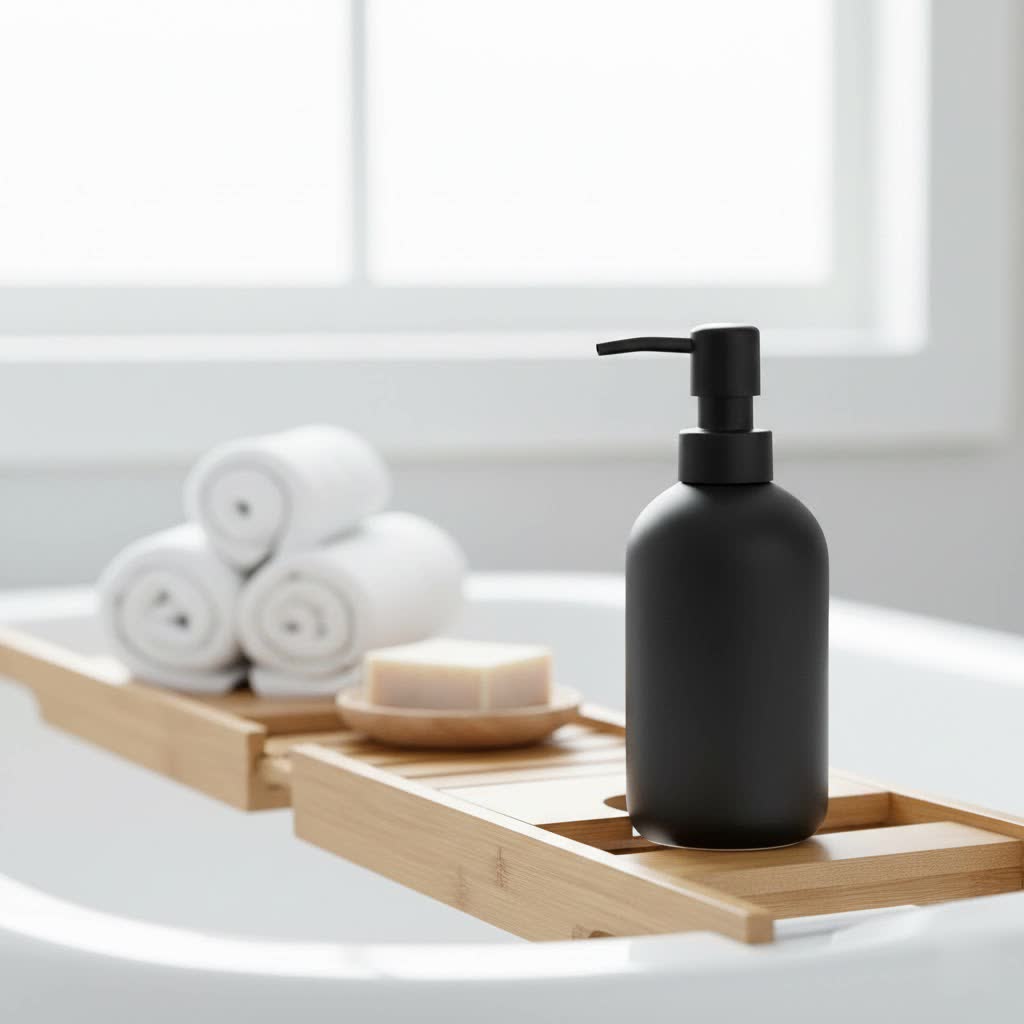
Maintaining hand hygiene is more critical than ever, and at the heart of an effective handwashing routine lies the humble soap dispenser. While the dispenser itself provides convenience and reduces clutter, the true workhorse is the liquid it contains. Understanding the diverse world of Soap Dispenser Liquids is key to optimizing hygiene, user experience, and even the longevity of your dispenser. From traditional liquid soaps to innovative foaming formulas, the right choice can transform a mundane task into a refreshing experience.
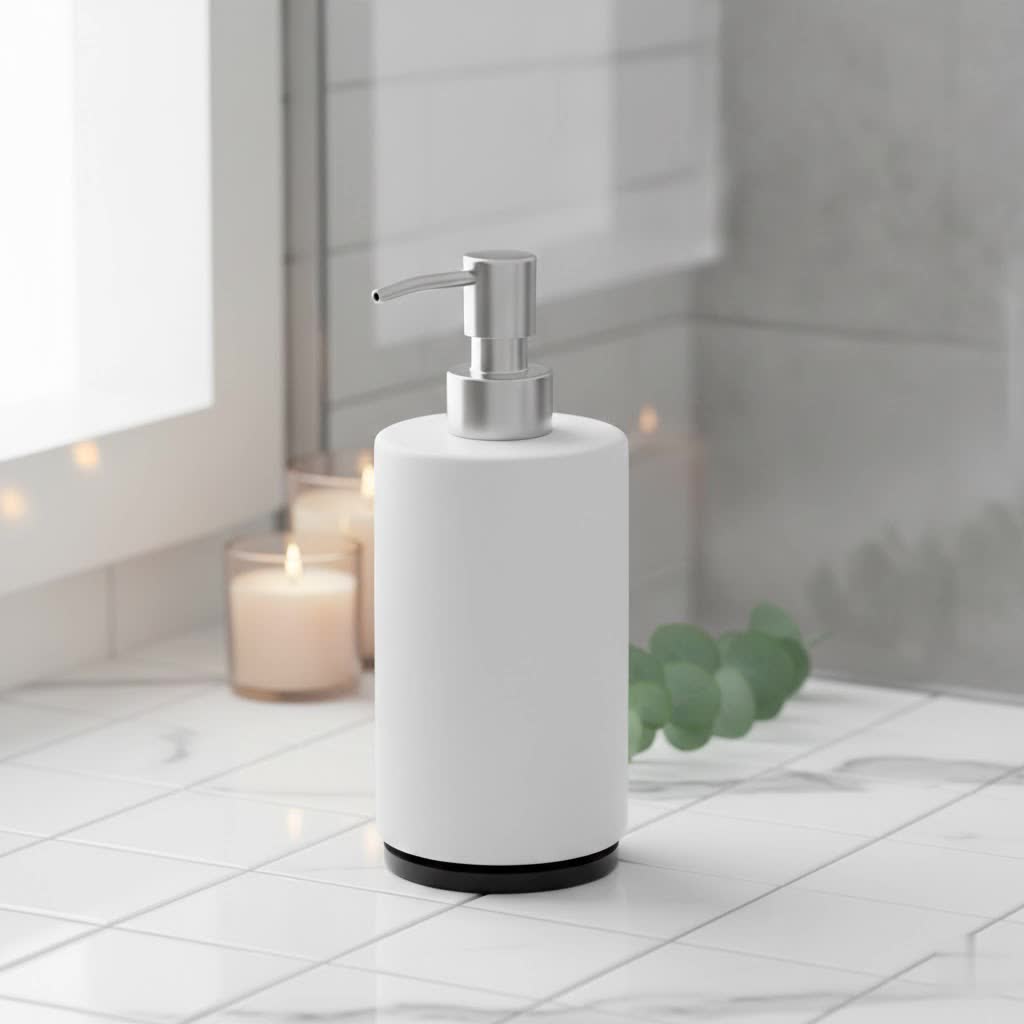
Soap Dispenser Liquid: An Overview of Types and Evolution
Soap dispenser liquid has evolved significantly from basic formulations, adapting to changing hygiene demands and dispenser technologies. Initially, simple liquid soaps were the primary offering, providing a convenient alternative to bar soap. Over time, advancements in chemistry and pump mechanisms led to a diversification of liquid types. Today, specialized formulations cater to various needs, from heavy-duty cleaning in industrial environments to gentle, moisturizing options for sensitive skin, and highly efficient foaming soaps that conserve resources.
These developments have broadened our choices, allowing for a more tailored approach to hand hygiene in both residential and commercial settings. The primary goal remains consistent: to provide an effective, clean, and pleasant handwashing experience that encourages regular use.
Popular Types of Soap Dispenser Liquid on the Market
The market offers a range of soap dispenser liquid types, each designed with specific applications and benefits in mind. Knowing the characteristics of each can guide your selection process.
Liquid Hand Soap
Liquid hand soap is the most traditional and widely recognized option for dispensers. It typically has a thicker, viscous texture, providing a substantial feel during washing.
- Advantages: This type of soap offers thorough cleaning as it’s worked into a lather. Many formulations include antibacterial agents for enhanced germ removal or moisturizing ingredients to prevent skin dryness. Liquid soap is compatible with a vast majority of manual and many automatic dispensers, offering great versatility.
- Disadvantages: Liquid soap can sometimes be messier, with drips or spills being more common, especially in high-traffic areas. It also often requires more water to rinse off completely compared to other types.
- Applications: Ideal for general handwashing in homes, offices, kitchens, and workshops where a deep clean is often desired.
|
Our Picks for the Best Soap Dispenser in 2026
We may earn a commission when you use one of our links to make a purchase.
|
||
| Num | Product | Action |
|---|---|---|
| 1 | Aunmaon Automatic Soap Dispenser Touchless, Hands-Free, Multi Adjustable Volume, Long Battery Life, Compatible with Thick & Thin Dish/Hand Soap for Bathroom and Kitchen, Easy for Toddlers, Black |

|
| 2 | simplehuman 8 oz. Touch-Free Sensor Liquid Soap Pump Dispenser with Soap Sample, Brushed Nickel |
|
| 3 | OXO Good Grips Stainless Steel Soap Dispenser, Kitchen and Bathroom Accessories |
|
| 4 | OXO Good Grips Soap Dispenser - 10 oz |
|
| 5 | JASAI 18Oz Green Glass Soap Dispenser with Gold Rust Proof Pump, Refillable Kitchen soap Dispenser for Dish Soap, Soap Dispenser Bathroom for Hand soap, Lotion, Body Wash. |
|
| 6 | Small Soap Dispenser for Bathroom and Kitchen, Modern Farmhouse Striped Style Plastic Hand Soap Dish Soap Dispenser with Pump Matte Black |
|
| 7 | Clear Soap Dispenser with Rust Proof Pump, Waterproof Labels (2 Pack,16 Oz), Plastic Hand Soap Dish Soap Dispenser for Kitchen Bathroom |
|
| 8 | JASAI 2PACK 18 Oz Glass Soap Dispenser with Rust Proof Stainless Steel Pump, Refillable Hand Soap Dispenser with Vertical Stripe, Premium Bathroom soap Dispenser for Kitchen & Bathroom |
|
| 9 | Automatic Soap Dispenser, Touchless Dish Soap Dispenser 17oz/500ml with Infrared Sensor, 5 Adjustable Soap Levels, Liquid Dispenser for Bathroom Kitchen (Silver) |
|
| 10 | AIKE 15fl.oz Liquid Soap Dispenser for Dish and Hand Soap Matte Black |
|
Foaming Hand Soap
Foaming hand soap has gained immense popularity due to its luxurious feel and efficiency. It works by mixing a concentrated soap solution with air inside a special pump mechanism, creating a rich, airy lather.
- Advantages: Foaming soap is highly cost-effective, as it uses significantly less soap per pump while still providing ample coverage for handwashing. It spreads easily, rinses off quickly, thereby reducing water usage, and leaves hands feeling clean and soft. Its appealing texture often encourages more frequent handwashing.
- Disadvantages: This type requires a specific foaming dispenser and pump mechanism. Using regular liquid soap in a foaming dispenser without proper dilution can lead to clogs or inconsistent dispensing.
- Applications: Favored in public restrooms, offices, restaurants, and high-end venues, as well as homes, for its economical and pleasant user experience.
Gel Soap
Gel soap is a thicker variant, often designed for more specialized, heavy-duty cleaning tasks. It typically has a denser consistency than standard liquid soap.
- Advantages: Its robust formulation makes it highly effective at removing grease, grime, and tough dirt.
- Disadvantages: Gel soap may not be necessary or ideal for everyday handwashing where hands are not heavily soiled, as its strong cleaning properties might be overly harsh for frequent use on sensitive skin.
- Applications: Commonly found in industrial settings, mechanics’ workshops, and commercial kitchens where deep cleaning is paramount.
Disinfectants and Hand Sanitizers (Liquid/Gel)
Beyond traditional soap, many dispensers are designed to dispense liquid disinfectants or hand sanitizer gels, crucial for environments requiring stringent hygiene.
- Advantages: These liquids are formulated to kill germs and viruses rapidly without the need for water, providing an immediate sanitizing effect.
- Applications: Widely used in hospitals, medical facilities, schools, and any public or private space where a high level of sanitization is required, particularly when water and soap are not readily available.
Detailed Comparison of Soap Dispenser Liquid Types
Choosing the best soap dispenser liquid involves weighing various factors. Here’s a comparative overview to help clarify the differences:
| Feature | Liquid Hand Soap | Foaming Hand Soap | Gel Soap | Disinfectants/Hand Sanitizers |
|---|---|---|---|---|
| Viscosity | Medium to High (thick, viscous) | Low (watery before aeration) | High (very thick, often dense) | Low (liquid) or High (gel for sanitizers) |
| Cost-effectiveness (per use) | Moderate (uses more product per pump) | High (uses significantly less product, saves water) | Moderate (depends on specific cleaning needs) | Moderate (consumption varies) |
| Cleaning Power | Good, lathers well for thorough cleaning | Good, effective spread and quick rinse | Excellent for heavy-duty grime | Excellent for germ-killing |
| User Experience/Feel | Rich, substantial lather | Light, airy, luxurious foam | Dense, strong, often less lathering | Quick-drying (liquid), smooth (gel) |
| Dispenser Compatibility | Most manual and many automatic liquid dispensers | Only foaming dispensers with specialized pumps | Specific heavy-duty dispensers, some liquid | Specific dispensers (spray, liquid, gel pumps) |
| Rinsing Effort | Moderate to High | Low (rinses very quickly) | Moderate to High | Not applicable (no rinse needed) |
How to Choose the Right Soap Dispenser Liquid
Selecting the perfect soap dispenser liquid goes beyond personal preference; it involves considering your specific needs, the type of dispenser you own, and long-term maintenance.
Assess Your Dispenser Type
The most critical factor is the type of dispenser you have. A manual pump dispenser for liquid soap will operate differently from an automatic touchless unit, and both are distinct from a foaming dispenser.
- Manual and Automatic Liquid Dispensers: These are generally versatile and can handle most standard liquid hand soaps. Ensure the soap’s viscosity isn’t too thick to prevent clogging the pump mechanism.
- Automatic Foaming Dispensers: These require a low-viscosity, often pre-foaming solution or a liquid soap that can be diluted. Attempting to use thick liquid soap will almost certainly lead to blockages and malfunction.
Consider Viscosity and Compatibility
Soap viscosity plays a crucial role in dispenser performance. If a liquid is too thick, the pump may struggle to dispense it, leading to clogs or reduced flow. Conversely, overly thin liquids might leak or dispense too much at once. Many commercial dispensers specify an acceptable viscosity range, often measured in centipoise (cP) or mPa. For optimal longevity and smooth operation, ensure your soap’s viscosity falls within your dispenser’s recommended range.
Evaluate Ingredients and pH
The chemical composition of your soap can impact both your skin and your dispenser. For instance, liquid soaps that are chloride-free and pH-neutral are often recommended to help prevent corrosion and extend the service life of metal dispenser components. Strong antibacterial agents, high concentrations of lye, or certain essential oils can be caustic to metal parts and potentially damage internal seals or finishes over time. Always check the ingredients list, especially if you have a high-quality or specialized dispenser.
Determine Usage Needs
Consider who will be using the soap and in what setting.
- High-Traffic Areas: For public restrooms or busy commercial spaces, foaming soaps are often preferred due to their cost-effectiveness and quick rinsing, which can speed up the handwashing process.
- Kitchens/Workshops: Areas with heavy grime or grease may benefit from the robust cleaning power of gel soaps or more concentrated liquid hand soaps.
- Sensitive Skin: Opt for moisturizing, gentle, and fragrance-free liquid soaps.
- Medical/Healthcare: Disinfectant liquids or hand sanitizers are essential for germ control.
Cost and Environmental Impact
Foaming soaps generally offer superior cost-effectiveness per use because they deliver a pre-aerated lather, meaning less actual soap concentrate is dispensed. This also translates to environmental benefits, as less soap is used, and less water is required for rinsing, reducing overall water consumption. Many brands also offer bulk refills, which significantly cut down on plastic waste compared to purchasing smaller, single-use bottles.
Read Reviews and Check Certifications
Before committing to a particular soap, especially for new dispensers or specific needs, consult product reviews. Look for feedback on consistency, dispenser compatibility, scent, and skin feel. For specialized applications like healthcare, check for relevant certifications that attest to the product’s efficacy and safety standards.
Top Considerations for Using and Maintaining Soap Dispenser Liquid
Proper use and maintenance of your soap dispenser liquid are essential for optimal performance, hygiene, and durability.
The lifespan and efficiency of your soap dispenser are directly linked to how you manage its liquid. For example, consistently using the correct viscosity prevents clogs, while avoiding harsh chemicals helps maintain the integrity of the pump and internal components. Regular, yet gentle, cleaning prevents buildup, ensuring a smooth and consistent dispensing action every time you wash your hands.
Proper Refilling Techniques
When refilling, avoid mixing different types or brands of soap directly in the dispenser, as this can sometimes lead to unexpected chemical reactions, clogging, or a change in consistency. Always empty and ideally rinse the dispenser before refilling with a new product. Do not overfill the reservoir, leaving a small air gap to allow for proper pump function.
Dilution Guidelines for Foaming Soap
If you wish to convert regular liquid soap for use in a foaming dispenser, dilution is often necessary. A common guideline is to mix one part liquid soap with three parts water. It’s best to start with a small batch to test the consistency and foaming action. Always use distilled or filtered water to prevent mineral buildup in the pump. Stir gently to combine, avoiding excessive shaking which can create too many bubbles.
Regular Cleaning of the Dispenser and Pump
Even with the right soap, residue can build up over time. Periodically, empty your dispenser and rinse it thoroughly with warm water. For pumps, you can pump warm water through the mechanism until it runs clear to dislodge any accumulated soap or mineral deposits. For more stubborn clogs, a mild vinegar solution can be used, followed by a clear water rinse. This preventative maintenance helps ensure a long life for your dispenser and consistent soap delivery.
Troubleshooting Common Issues
- Clogged Pump: Often caused by using soap that is too thick or by residue buildup. Try rinsing the pump with warm water or a diluted vinegar solution.
- Inconsistent Dispensing: May be due to low soap levels, air in the pump mechanism, or incorrect soap viscosity. Ensure the dispenser is adequately filled and that the soap matches the dispenser’s requirements.
- Leaking: Can indicate a damaged pump seal or, less commonly, soap that is too thin for the dispenser.
Conclusion
The humble soap dispenser liquid is a powerful agent in maintaining hygiene, comfort, and even style in your home or business. By understanding the different types—from the reliable thoroughness of liquid soap to the cost-saving luxury of foaming varieties and the targeted power of gels and disinfectants—you can make an informed choice that perfectly aligns with your needs. Considering factors like dispenser compatibility, viscosity, ingredient safety, and usage patterns ensures a seamless and effective handwashing experience. A well-chosen soap dispenser liquid not only enhances cleanliness but also contributes to the longevity of your dispenser and a more sustainable daily routine.
What kind of soap dispenser liquid will elevate your hand hygiene experience today?
Câu Hỏi Thường Gặp
Can I put any liquid soap in a foaming dispenser?
No, it’s generally not recommended. Foaming dispensers require low-viscosity soaps or diluted liquid soaps to work correctly. Thick liquid soaps can clog the specialized pump mechanism, leading to malfunction and inconsistent dispensing.
What happens if I use the wrong soap in my dispenser?
Using the wrong soap can lead to various issues, including clogs, leaks, inconsistent soap delivery, or even damage to the dispenser’s internal components, especially if the soap is too thick, too thin, or contains corrosive ingredients.
How often should I clean my soap dispenser?
It’s advisable to clean your soap dispenser every few weeks, or whenever you refill it, to prevent soap residue and mineral buildup. This helps maintain optimal pump function and extends the life of the dispenser.
Are antibacterial soaps necessary?
For general handwashing in most home and office settings, regular soap and water are highly effective at removing germs. Antibacterial soaps may be more beneficial in specific environments like healthcare settings where heightened germ control is crucial.
What is the ideal viscosity for liquid soap in a dispenser?
The ideal viscosity for liquid soap varies by dispenser. Many commercial dispensers specify an acceptable range, often between 1 to 3000 mPa (millipascal-seconds). Always check your dispenser’s manual for specific recommendations to ensure smooth operation.