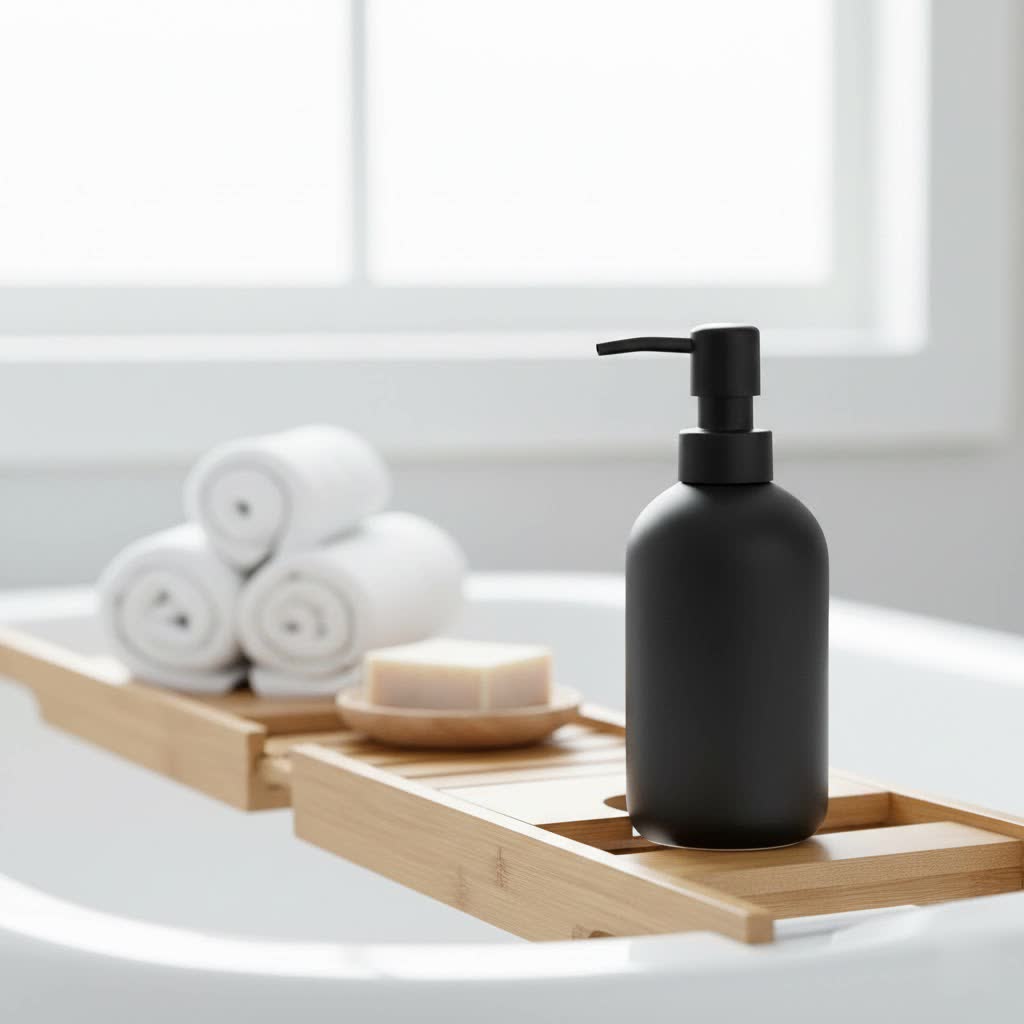
In today’s fast-paced world, maintaining impeccable hygiene is more critical than ever, and a simple device like the Liquid Soap Dispenser plays an indispensable role in this endeavor. Far beyond just a container for soap, these essential fixtures marry convenience with cleanliness, transforming a basic daily routine into an effortless and sanitary experience. Whether in a bustling kitchen, a serene bathroom, or a high-traffic commercial space, choosing the right liquid soap dispenser can significantly enhance both functionality and aesthetic appeal. This comprehensive guide will delve into everything you need to know to find the perfect liquid soap dispenser to suit your specific needs and elevate your space.
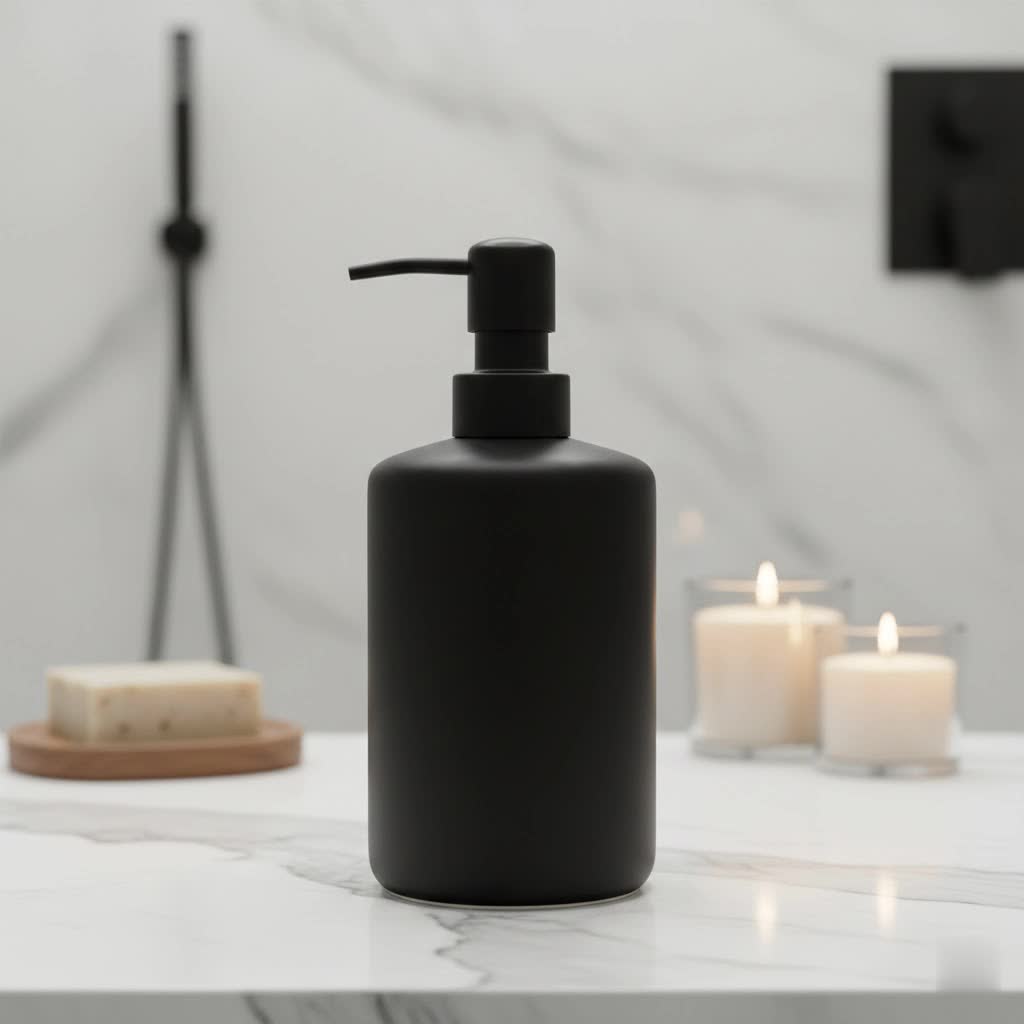
Liquid Soap Dispensers: Overview and Evolution
Liquid soap dispensers are devices engineered to deliver a controlled amount of liquid soap, making handwashing more hygienic and efficient. Their widespread adoption marks a significant leap in public health, moving beyond the less sanitary communal bar soap. By minimizing direct contact with the soap supply, these dispensers effectively reduce the transmission of germs, promoting a cleaner environment for everyone.
The journey of the soap dispenser is a fascinating testament to innovation driven by hygiene needs. While hand pump soap dispensers appeared in hospitals in the early 1800s, they were often plagued by clogging with thick soap formulas. A pivotal moment arrived in 1865 when William Sheppard received the patent for the first liquid soap, a precursor to the smoother formulas we know today. Decades later, in 1964, American entrepreneur Robert Ridgely Taylor refined the concept with “Cream Soap on Tap,” a liquid soap in a pump dispenser, marketed as a luxury item. However, it wasn’t until 1980 that Minnetonka Corporation popularized liquid soap hand pumps for the domestic market, revolutionizing home hygiene. The next major leap occurred in 1989 when Guey-Chuan Shiau introduced the automatic soap dispenser, aiming to further enhance hygiene, especially in public restrooms, by eliminating the need for physical contact.
Popular Types of Liquid Soap Dispensers on the Market
The market offers a diverse range of liquid soap dispensers, each designed with unique features to cater to different preferences and environments. Understanding these variations is key to selecting the ideal model.
Manual Liquid Soap Dispensers
Manual dispensers are the most traditional and widely recognized type, requiring a user to press a button or a lever to dispense soap.
- Advantages: They are generally more cost-effective upfront, do not require batteries or a power source, and are incredibly reliable due to their simple mechanical operation. Their straightforward design makes them easy to install and maintain.
- Disadvantages: Manual contact on the pump can potentially lead to cross-contamination, making them slightly less hygienic in high-traffic public settings.
- Applications: Ideal for residential bathrooms and kitchens, as well as low-traffic commercial restrooms where budget and simplicity are primary considerations.
|
Our Picks for the Best Soap Dispenser in 2026
We may earn a commission when you use one of our links to make a purchase.
|
||
| Num | Product | Action |
|---|---|---|
| 1 | simplehuman 8 oz. Touch-Free Sensor Liquid Soap Pump Dispenser with Soap Sample, Brushed Nickel |

|
| 2 | AIKE 15fl.oz Liquid Soap Dispenser for Dish and Hand Soap Matte Black |
|
| 3 | JASAI 18Oz Green Glass Soap Dispenser with Gold Rust Proof Pump, Refillable Kitchen soap Dispenser for Dish Soap, Soap Dispenser Bathroom for Hand soap, Lotion, Body Wash. |
|
| 4 | Automatic Soap Dispenser, Touchless Dish Soap Dispenser 17oz/500ml with Infrared Sensor, 5 Adjustable Soap Levels, Liquid Dispenser for Bathroom Kitchen (Silver) |
|
| 5 | Aunmaon Automatic Soap Dispenser Touchless, Hands-Free, Multi Adjustable Volume, Long Battery Life, Compatible with Thick & Thin Dish/Hand Soap for Bathroom and Kitchen, Easy for Toddlers, Black |
|
| 6 | Small Soap Dispenser for Bathroom and Kitchen, Modern Farmhouse Striped Style Plastic Hand Soap Dish Soap Dispenser with Pump Matte Black |
|
| 7 | JASAI 2PACK 18 Oz Glass Soap Dispenser with Rust Proof Stainless Steel Pump, Refillable Hand Soap Dispenser with Vertical Stripe, Premium Bathroom soap Dispenser for Kitchen & Bathroom |
|
| 8 | Clear Soap Dispenser with Rust Proof Pump, Waterproof Labels (2 Pack,16 Oz), Plastic Hand Soap Dish Soap Dispenser for Kitchen Bathroom |
|
| 9 | OXO Good Grips Stainless Steel Soap Dispenser, Kitchen and Bathroom Accessories |
|
| 10 | OXO Good Grips Soap Dispenser - 10 oz |
|
Automatic Liquid Soap Dispensers
Automatic, or touchless, dispensers utilize infrared or motion sensors to detect hands, dispensing soap without any physical contact.
- Advantages: The primary benefit is superior hygiene, as they minimize germ spread by eliminating touchpoints. They offer a modern aesthetic and a convenient, hands-free experience. Many models come with adjustable soap volume settings.
- Disadvantages: They typically require batteries or a power source, which adds to ongoing maintenance. They can also be more expensive than manual models.
- Applications: Highly recommended for commercial facilities such as hospitals, restaurants, offices, schools, and public restrooms, and increasingly popular in modern homes for enhanced cleanliness.
Wall-Mounted Liquid Soap Dispensers
Wall-mounted dispensers are secured directly to a wall, keeping countertops clear and organized.
- Advantages: They are excellent space-savers, helping to reduce clutter around sinks. Their fixed position makes them less prone to being knocked over or moved, and they are often designed for larger capacities, reducing refill frequency.
- Disadvantages: Installation requires drilling or strong adhesives, making them less portable. Changing their location can also be a hassle.
- Applications: Commonly found in commercial washrooms, showers, gyms, and hotels, and a smart choice for compact home bathrooms or kitchens seeking a minimalist look.
Countertop Liquid Soap Dispensers
These dispensers are freestanding units that can be placed directly on a sink or countertop.
- Advantages: Their portability allows for flexible placement and easy rearrangement. They come in a vast array of designs, materials, and colors, making them highly customizable to match interior decor. Refilling is typically very straightforward.
- Disadvantages: They occupy counter space and can be accidentally knocked over. Some designs might accumulate water around their base if not regularly cleaned.
- Applications: Perfect for home kitchens and bathrooms, guesthouses, and any setting where aesthetic flexibility and ease of access are valued.
Detailed Comparison of Liquid Soap Dispenser Types
Choosing the right dispenser often comes down to balancing various factors. Here’s a comparative breakdown to help you weigh your options:
| Feature | Manual | Automatic | Wall-Mounted | Countertop |
|---|---|---|---|---|
| Price | Most affordable | Higher initial cost, ongoing battery expenses | Mid-range to high, depending on material | Affordable to mid-range |
| Durability | Mechanical, generally robust | Electronic components, can vary | Very durable, especially metal | Varies greatly by material |
| Convenience | Simple press operation | Touch-free, effortless | Frees up counter space | Portable, easy to move |
| Aesthetics | Wide range of designs | Often sleek and modern | Clean, minimalist look | Highly customizable, decorative |
| Hygiene | Potential for cross-contamination | Superior, touch-free operation | Good, less direct contact with base | Moderate, requires regular cleaning of base |
| Refill Method | Often refillable from bulk | Many are refillable, some use cartridges | Usually bulk refill | Mostly bulk refill |
| Installation | None (freestanding) | None (freestanding) or simple wall mount | Requires drilling or strong adhesive | Simply place on surface |
How to Choose the Right Liquid Soap Dispenser
Selecting the perfect liquid soap dispenser involves more than just picking the first attractive model you see. It requires a thoughtful assessment of your needs, the environment, and specific product features.
Defining Your Needs
Begin by considering where and how the dispenser will be used.
- Number of Users: A high-traffic public restroom will require a larger capacity and potentially an automatic system, while a single-person household might prefer a smaller, stylish countertop unit.
- Placement: Will it be in a compact powder room, a spacious kitchen, or a busy commercial facility? This impacts whether a wall-mounted, countertop, or integrated sink dispenser is most suitable.
- Usage Frequency: For frequent use, prioritize durability and ease of refilling. For occasional use, aesthetic appeal might take precedence.
Material Selection
The material of your dispenser influences its durability, maintenance, and aesthetic integration.
- Plastic (ABS): Lightweight, affordable, impact-resistant, and suitable for high-traffic areas. Easy to clean.
- Stainless Steel: Offers exceptional durability, resistance to rust and corrosion, and a modern, professional look. It’s easy to wipe clean and maintain its luster.
- Ceramic: Provides a classic, elegant, and often handcrafted feel. Ceramic dispensers are sturdy but can be fragile if dropped.
- Glass: Offers a refined, transparent look, allowing you to see the soap level. Glass is durable but can be heavy and prone to breakage, especially in homes with children.
- Brass/Chrome: Often used for pump heads or as a finish for metal dispensers, these add a touch of sophistication and are generally corrosion-resistant.
Considering Style and Design
Your soap dispenser should complement the existing decor of your space.
- Modern and Minimalist: Look for sleek lines, simple shapes, and materials like stainless steel or frosted glass.
- Traditional or Rustic: Opt for ceramic, dark metals, or dispensers with intricate detailing.
- Color and Finish: Ensure the dispenser’s color and finish harmonize with your faucets, tiles, and overall room palette.
Researching Brands and Suppliers
Investing in a reputable brand often translates to better quality, durability, and customer support. Look for manufacturers known for their innovation in hygiene products. Reliable suppliers typically offer good warranties and readily available replacement parts or bulk soap refills.
Checking Reviews and Comparing Prices
Before making a final decision, consult user reviews to gain insights into real-world performance, durability, and common issues. Compare prices across different retailers to ensure you’re getting good value for your investment, keeping in mind that the cheapest option may not always be the most cost-effective in the long run.
Top 5 Highly-Rated Liquid Soap Dispensers Today
The market is rich with innovative liquid soap dispenser designs that combine functionality with flair. Here are a few examples of popular and well-regarded choices that consistently receive high ratings for their performance and design:
- simplehuman Sensor Pump Dispenser: Renowned for its sleek, modern aesthetic and advanced touch-free sensor technology, the simplehuman dispenser offers adjustable soap volume and a no-drip valve, making it a favorite for both kitchens and bathrooms. Its rechargeable battery adds to its convenience.
- OXO Good Grips Stainless Steel Soap Dispenser: This manual pump is celebrated for its sturdy construction, comfortable pump mechanism, and wide opening for easy refilling. Its stainless steel body ensures durability and a clean look that fits various décors.
- Anself 300mL Automatic Soap Dispenser: A popular choice for its affordability and reliable infrared sensor, this automatic dispenser delivers precise amounts of soap quickly. Its compact size and sealed base make it a practical option for smaller spaces, offering excellent value.
- Umbra Otto Automatic Soap Dispenser: Known for its contemporary design and versatile use (for soap, sanitizer, or dish soap), the Umbra Otto features a visible fluid level indicator and comes in multiple finishes, allowing it to seamlessly blend into diverse interior styles.
- Jarmazing Heavyweight Glass Soap and Lotion Dispenser: For those who prioritize aesthetics and durability, this glass dispenser combines a classic look with a robust build. It’s particularly favored for its high-quality glass and reliable pump mechanism, offering a touch of elegance to any sink.
Proper Usage and Maintenance for Your Liquid Soap Dispenser
To ensure your liquid soap dispenser remains a hygienic and reliable fixture in your home or business, proper usage and routine maintenance are crucial.
Using your dispenser correctly involves understanding its mechanism. For manual pumps, a single, firm press is usually sufficient to dispense the desired amount of soap. For automatic models, simply placing your hands under the sensor will trigger the release. Always ensure you’re using the correct type of liquid soap recommended for your dispenser; overly thick soaps can clog pumps, while very thin ones might dispense too quickly.
Regular cleaning is vital to prevent soap residue buildup and bacterial growth.
- Exterior Cleaning: Wipe down the exterior of your dispenser daily with a damp cloth and mild cleaner to remove fingerprints, soap drips, and water spots. For stainless steel, use a specialized cleaner to maintain its shine.
- Internal Cleaning (Monthly/Bi-monthly): For refillable dispensers, empty any remaining soap and rinse the reservoir thoroughly with warm water. Pump warm water through the dispenser mechanism several times until the water runs clear to flush out any blockages or residue. For stubborn clogs, a mixture of warm water and white vinegar can be used. Allow all parts to air dry completely before refilling with fresh soap.
- Battery Replacement/Charging: For automatic dispensers, pay attention to battery indicators and replace or recharge batteries as needed to ensure continuous operation.
By following these simple guidelines, you can significantly extend the lifespan of your liquid soap dispenser and ensure it continues to provide a sanitary and convenient handwashing experience.
Conclusion
The liquid soap dispenser, an often-overlooked household and commercial item, is a cornerstone of modern hygiene. From its humble origins to the sophisticated touch-free models of today, it embodies a continuous evolution towards greater cleanliness and convenience. Whether you opt for the classic simplicity of a manual pump or the advanced sanitation of an automatic sensor, choosing the right dispenser involves considering your specific needs, preferred materials, and desired aesthetic. By making an informed decision, you invest not just in a functional object, but in a healthier, more organized, and aesthetically pleasing environment. Which type of liquid soap dispenser will best complement your commitment to hygiene and style?
Câu Hỏi Thường Gặp
What kind of soap goes in a liquid soap dispenser?
Most liquid soap dispensers are designed for standard liquid hand soap, dish soap, or lotion. It’s important to use soaps with a consistent, relatively fluid viscosity to prevent clogging. Avoid harsh chemicals or soaps with exfoliating beads, as these can damage the pump mechanism.
How often should I clean my soap dispenser?
The exterior of your soap dispenser should be wiped daily, especially in high-use areas, to remove soap residue and keep it looking fresh. A thorough internal cleaning, involving rinsing out the reservoir and pump mechanism, is recommended every one to two months, or whenever you refill the dispenser, to prevent clogs and bacterial buildup.
Are automatic soap dispensers worth it?
Automatic soap dispensers are often worth the investment, particularly in high-traffic areas or for those prioritizing maximum hygiene. Their touch-free operation significantly reduces germ transmission, and many users find the hands-free convenience appealing. While they require batteries, the benefits of enhanced sanitation and modern design often outweigh this minor upkeep.
Can you put foaming soap in a liquid soap dispenser?
Generally, no. A standard liquid soap dispenser is not designed to create foam. Foaming soap dispensers have a special pump mechanism that mixes liquid soap with air to produce foam. However, some foaming soaps are sold as concentrates that can be diluted with water in a foaming dispenser. Always check the soap and dispenser compatibility.
What are the best materials for a soap dispenser?
The “best” material depends on your priorities. Stainless steel and high-quality ABS plastic offer excellent durability and resistance to impact and corrosion, ideal for high-traffic areas. Glass and ceramic provide superior aesthetic appeal for home use but are more prone to breakage. Consider a balance of durability, style, and ease of cleaning for your specific environment.